2026-10-01
You notice a patch of black spotting in the grout beside the shower, around the base of the bathtub, or behind the toothbrush holder. You spray it with a chemical cleaner, scrub with an old brush, and watch the stains disappear. Three weeks later, the same patch is back, often darker and slightly larger than before. This cycle repeats because most basic cleanings only remove the visible surface discoloration. They do not destroy the living mold structure that reaches into the tiny pores of grout, caulk, or unsealed tile edges.
This is why many people turn to steam cleaning. A steam cleaner produces water vapor heated well past the boiling point, typically between 120°C and 160°C at the nozzle. That level of heat can denature mold proteins, disrupt cell walls, and kill a large share of mold on contact. But the honest answer to whether steam cleaning kills mold is not a simple yes. Steam works extremely well on some surfaces, has serious limitations on others, and if used incorrectly, it can actually make a mold problem worse by driving moisture deeper into building materials. This guide walks through the science, the safe technique, the surfaces that respond well, the surfaces you should never treat with steam, and the practical buying considerations that matter when you choose a steam cleaner for mold control.
Yes, steam cleaning kills mold on hard, non-porous surfaces when the steam reaches a high enough temperature and remains in contact long enough. On glazed tile, glass, sealed stone, vinyl, and metal fixtures, a properly used steam cleaner is one of the most effective tools available because it combines heat, moisture, and pressure in a single pass. The heat disrupts cell membranes, the moisture softens the biofilm that mold creates around itself, and the pressure helps lift debris from cracks and texture.
However, on porous materials such as unsealed grout in poor condition, bare wood, drywall, plaster, or wallpaper, steam is a double-edged sword. The same moisture that softens surface mold can penetrate deeper into the material, carrying spores and providing the humidity needed for regrowth below the surface. This is why mold remediation professionals repeatedly warn that steam cleaning is not a complete mold removal method. It is a surface hygiene tool, not a sterilization system for building materials. You still need physical wiping to remove dead mold residue, thorough drying to prevent regrowth, and, in the case of porous materials like drywall or unsealed wood, replacement of the affected section is often the only safe solution.
Mold is a fungus that grows as multicellular filaments called hyphae. The visible patch you see is a colony of hyphae and billions of spores. Mold cells are built from proteins, enzymes, lipids, and carbohydrates. When exposed to temperatures above roughly 60°C, proteins begin to denature and critical enzymes lose their function. At 100°C and above, cell membranes collapse, and the cell contents leak out. Most household steam cleaners deliver steam at 120°C or higher, so they are fully capable of killing the mold cells they reach.
Yet two variables determine whether the steam actually kills a given mold colony: contact time and physical reach. A quick pass with the nozzle over a moldy grout line may expose the surface to lethal heat for only two seconds. That is often enough to kill the surface layer, but not enough to penetrate deep into the porous structure. The Centers for Disease Control and Prevention recognizes that heat can be lethal to mold, but public health guidance still emphasizes physical removal of the mold material and complete drying.
Mold spores are more heat-resistant than the vegetative hyphae. Some spores can survive several minutes at 100°C in dry air, although moist heat is more effective at damaging them. In practice, this means you should not expect steam alone to sterilize a surface instantly. To be effective against mold, the steam needs several seconds of sustained exposure. Move the nozzle slowly, hold it at a consistent distance of roughly two to five centimeters from the surface, and use brush attachments that agitate the mold. The brush action helps the heat penetrate the crevices and removes the protective biofilm that mold secretes.
Steam cleaners are often described as producing "dry steam" or "wet steam." Dry steam has a low moisture content, usually in the range of 5 to 15 percent water by volume. It leaves surfaces nearly dry after cleaning and is the safer choice for mold work because it introduces little additional humidity. Wet steam, common in lower-end devices, leaves a visible layer of condensation and can wet porous surfaces deeply. For mold treatment, dry steam is preferable. If your machine produces noticeably wet steam, you must wipe the surface immediately after steaming and then dry the area thoroughly.
Killing mold does not make it harmless. Dead mold fragments and spores remain on the surface and can still trigger allergic reactions, asthma symptoms, and respiratory irritation. This is a critical point for anyone considering steam cleaning as a one-step mold solution. After steaming, the surface must be wiped with a microfiber cloth or a sponge to physically remove the dead mold residue. If you simply steam a moldy wall and leave it to dry, you have reduced the live mold population but left a layer of allergenic debris behind.
Certain molds, including some species of Stachybotrys chartarum, commonly called black mold, produce secondary metabolites known as mycotoxins. These toxins are heat-stable to a significant degree. Many mycotoxins degrade only at temperatures above 200°C, well beyond the range of consumer steam cleaners. Steam cleaning can kill the mold cells, but it will not reliably destroy mycotoxins that are already present in the material. This is especially important if you are cleaning a surface that has supported mold growth for a long time, because mycotoxins may have diffused into the material. Again, physical removal and, in severe cases, material replacement are required.
Steam cleaning excels on hard, dense, low-porosity surfaces that tolerate heat and moisture. These surfaces are common in bathrooms, kitchens, and laundry areas, which makes steam cleaning a genuinely useful mold management tool for most homes. The key is to match the surface type to the technique: use pressure and brush attachments on grout, and use a smooth nozzle with a squeegee or cloth attachment on flat surfaces.
| Surface | Suitability | Why It Works or Fails |
|---|---|---|
| Glazed ceramic tile | Excellent | Non-porous, heat-resistant, and easily wiped clean after steaming. |
| Grout in good condition | Good with brush | Steam softens biofilm; pressure and brushing push heat into crevices. |
| Glass shower doors | Excellent | Smooth and non-porous; dead mold wipes off easily. |
| Sealed natural stone | Good | Safe only if the sealant is intact; excessive moisture can seep through cracks. |
| Vinyl or PVC surfaces | Fair | Tolerates moderate heat, but a stationary nozzle can cause warping. |
| Stainless steel fixtures | Excellent | Non-porous, heat-tolerant, and easy to dry. |
On these surfaces, steam cleaning performs two useful functions at once: it kills the majority of the live mold, and it loosens the organic residue that ordinary wiping leaves behind. The result is a genuinely clean surface, provided you finish with a dry microfiber wipe.
If you use a steam cleaner on the wrong surface, you may convert a small, visible mold spot into a larger, hidden infestation. This happens because steam introduces moisture under pressure, and pressure can drive water deeper into materials that are even slightly porous. Once the moisture reaches the interior, mold that previously sat on the surface can regrow with a steady water supply and no exposure to light or cleaning products.
The general rule is straightforward: if the material is soft, unfinished, or visibly aged, do not steam it. If a porous material is already moldy, remove and replace it where practical, rather than trying to clean it in place.
Begin by confirming that the surface is suitable for steam cleaning. Check the material, the condition of any sealant, and the extent of the mold. If the affected area is larger than roughly one square meter, or if the mold is growing behind wallboard, under flooring, or inside an HVAC system, stop and consult a professional mold remediation service. For small bathroom or kitchen spots, steaming is a reasonable first step.
Set up proper ventilation without spreading spores through the house. Open a window in the affected room, but keep doors to other rooms closed. Turn off any central ventilation fan that would pull spores into a shared duct system. Wearing an N95 respirator, household gloves, and safety goggles is recommended, especially when you will be brushing moldy grout or wiping dead residue.
Heat the steam cleaner fully before starting. A machine that is not up to temperature delivers wet, ineffective steam. Test the nozzle on an inconspicuous spot to confirm that steam emerges hot and dry. Then work in small sections, about thirty centimeters at a time, so the surface stays hot while you clean it.
After the entire area has been steamed and wiped, dry it thoroughly. Use a dry towel followed by a fan or a dehumidifier. The surface must remain dry for at least 24 to 48 hours, because any remaining moisture can allow surviving spores to germinate. When the surface is completely dry, inspect it under good lighting. If any dark spots remain, repeat the steaming and wiping process, then dry again. Avoid over-saturating the area, especially on grout or around plumbing fixtures. On the next day, run a hand over the surface to feel for dampness and re-inspect for recurrence.
Chemical mold removers, especially those based on bleach, hydrogen peroxide, or quaternary ammonium compounds, are popular because they are fast and visibly effective. But they come with trade-offs. Bleach is corrosive to metals, can damage grout and seals over time, releases chlorine fumes, and its residual moisture can actually feed mold growth if the area is poorly ventilated. Hydrogen peroxide is less toxic than bleach but still requires rinsing and can have a bleaching effect on fabrics and grout. Almost all chemical removers leave some residue that must be wiped away.
| Factor | Steam Cleaning | Chemical Mold Removers |
|---|---|---|
| Primary mechanism | Heat, moisture, and pressure | Chemical oxidation or disinfection |
| Kills surface mold | Yes, above 100°C with contact time | Yes, but mainly at the surface |
| Removes mycotoxins | Not reliably | Some oxidation, not guaranteed |
| Residue on surface | Water only | Chemical residue requires rinsing |
| Odor and fumes | None | Often strong, especially with bleach |
| Risk to surfaces | Moisture damage to porous materials; heat damage to thin plastic | Corrosion, bleaching, etching of grout and stone |
| Health exposure | Burns risk only | Respiratory irritation and skin contact risk |
| Best use case | Hard sealed surfaces, grout, regular maintenance | Rapid disinfection of small stains in ventilated spaces |
Many homeowners find that a combined approach works best: steam cleaning to kill and loosen mold on hard surfaces, followed by a light wipe with a mild detergent or a hydrogen peroxide solution, and then thorough drying. Avoid mixing steam with bleach-based products, because heat accelerates chlorine off-gassing and the combination can irritate your airways.
Steam cleaning is not a substitute for professional remediation in more serious situations. If you see any of the following signs, stop home cleaning and contact a qualified mold removal specialist:
In these cases, professional services use containment barriers, HEPA filtration, negative air pressure, and material removal. Their goal is not just to kill mold, but to eliminate the contaminated materials and correct the moisture condition that allowed the mold to grow.
Not every steam cleaner is equally effective at mold removal. The marketing phrase "steam cleaner" covers a wide range of devices, from compact handheld units meant for countertops to heavy-duty canister machines designed for continuous floor and surface cleaning. For mold work, the most important specification is maximum steam temperature. Look for a machine that produces steam at least 120°C at the nozzle. Higher temperature means more lethal heat transferred to the mold and a drier steam that leaves less moisture behind.
Pressure is the second most critical factor. Higher pressure pushes steam into grout lines, corners, and rough texture where mold likes to hide. A unit with a pump pressure of 3 to 5 bar is generally adequate for bathroom and kitchen mold. Water tank capacity matters if you plan to clean several rooms in one session. A larger tank, or a model with continuous fill capability, prevents the annoyance of waiting for the machine to cool before refilling. Heat-up time, weight, and the availability of brush attachments also make a meaningful difference in daily usability.
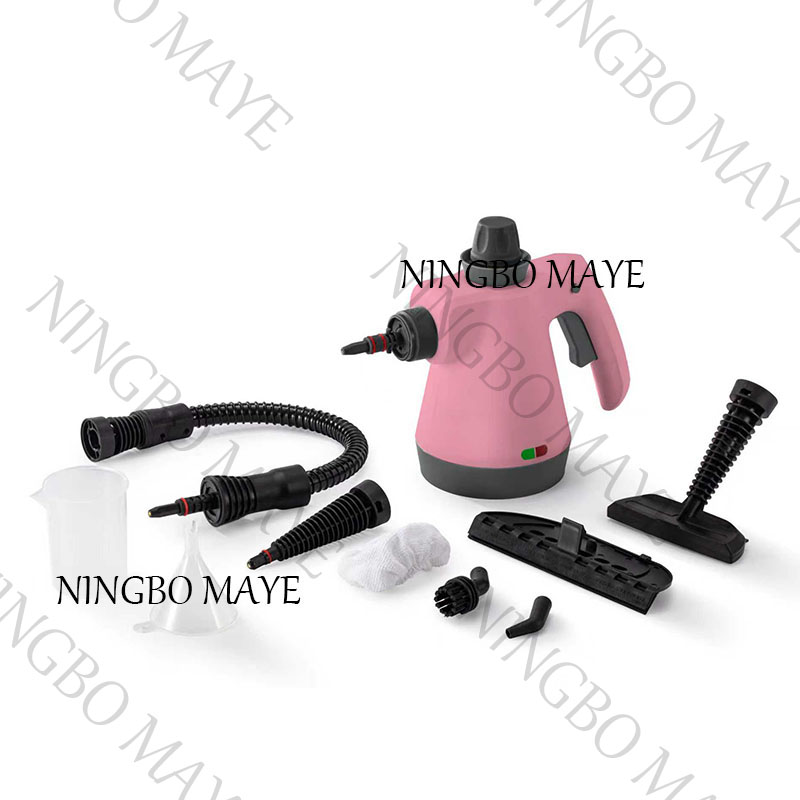
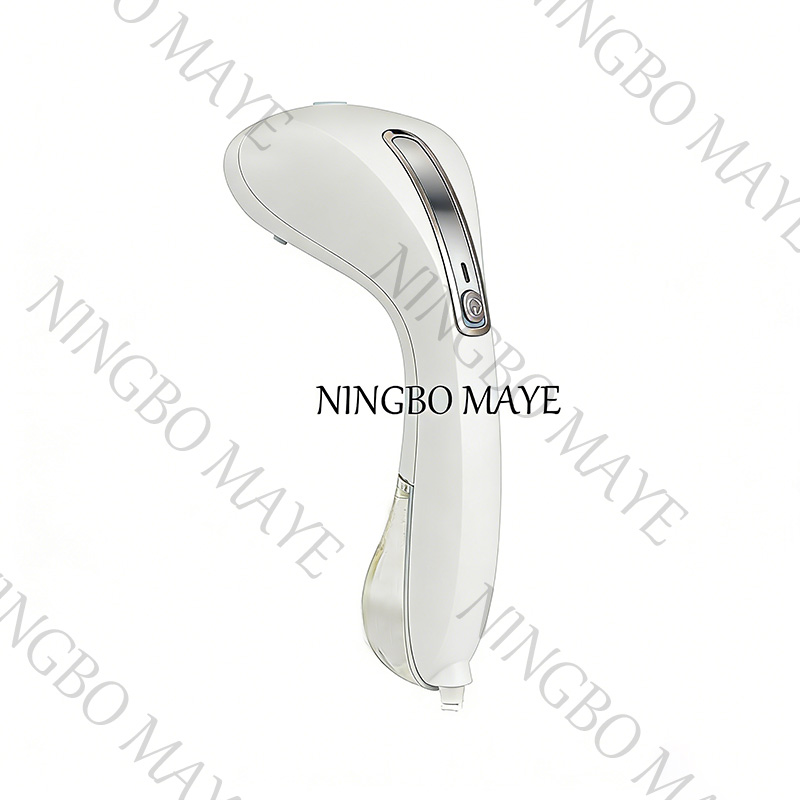
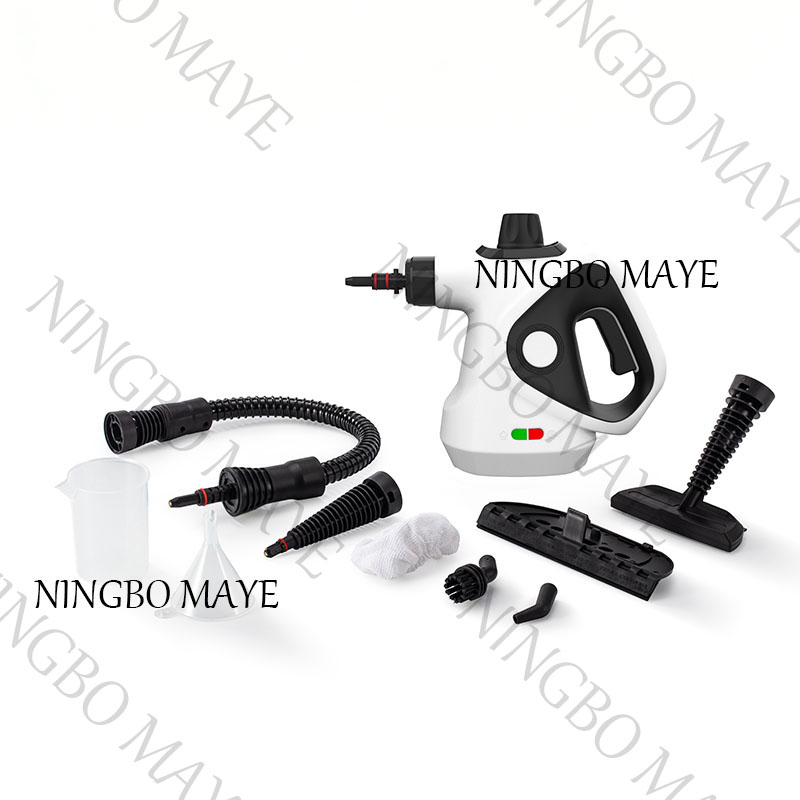
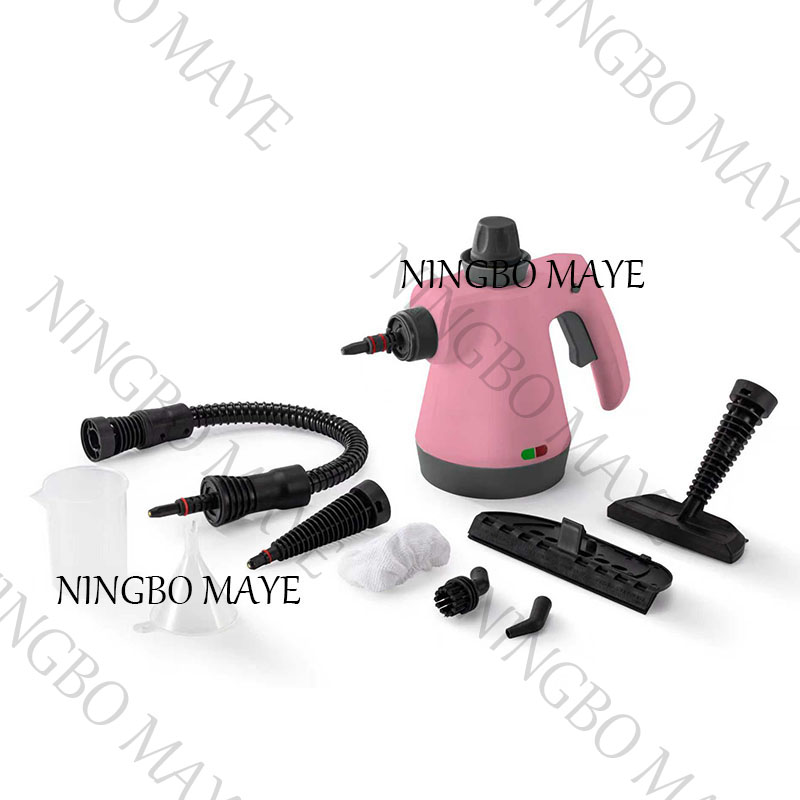
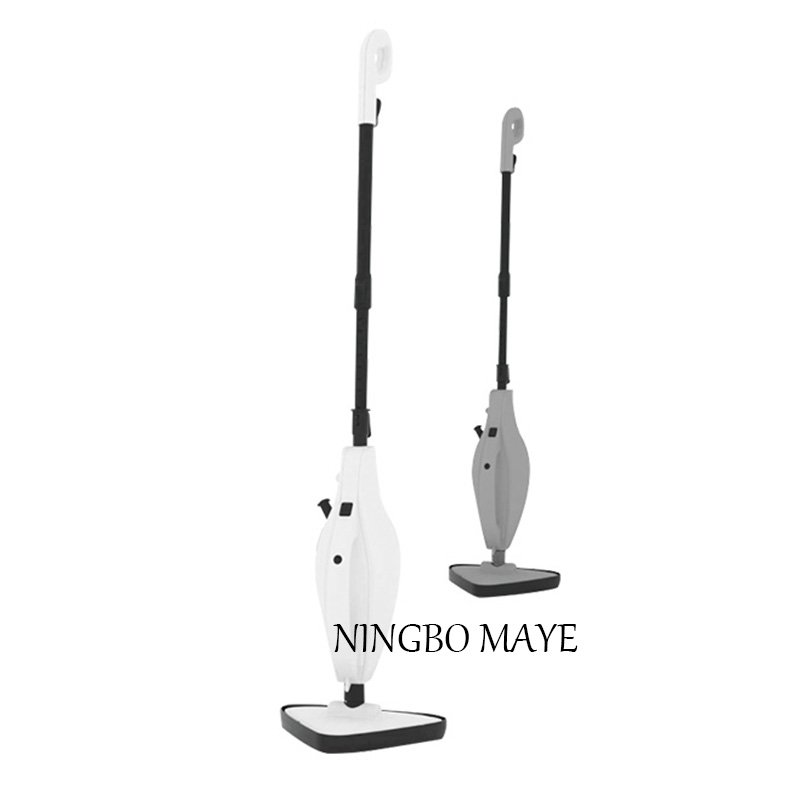
For a small bathroom with mold in the grout and around the sink fixtures, a compact handheld model is often sufficient. It is easy to maneuver between the toilet, vanity, and shower, and it heats up quickly. One practical option is the TM168 handheld steam cleaner, which offers a narrow brush nozzle for grout and a fast heat-up time for spot cleaning. For larger areas, such as a main bathroom plus a kitchen, a canister-style machine with a larger water tank and a longer hose is worth the extra storage space. The JQ688A canister steam cleaner provides a continuous working time that suits multi-surface cleaning and reduces the number of refill stops.
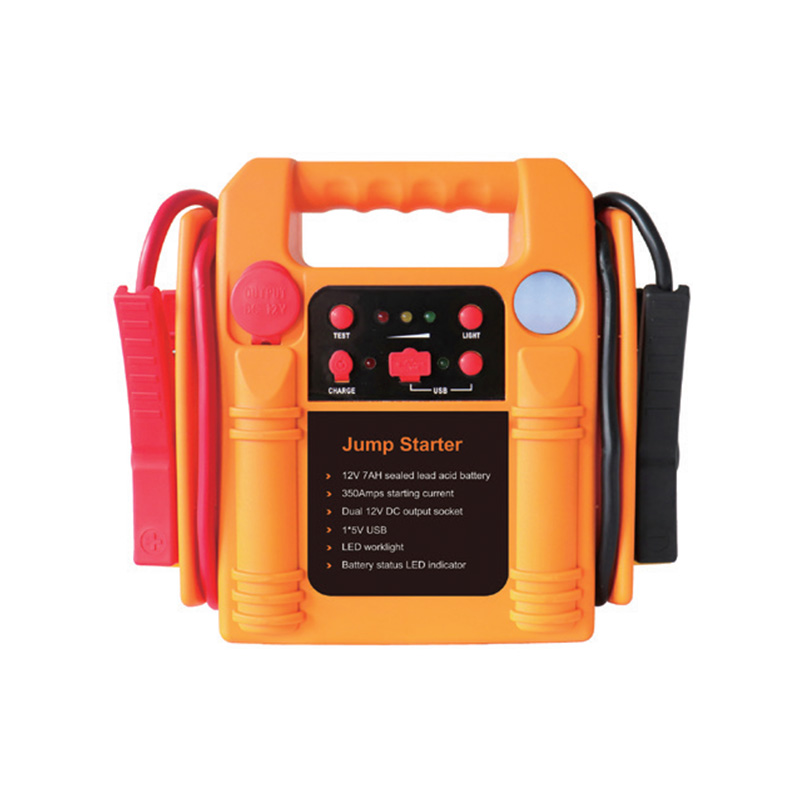 Automotive Electrical Appliances Manufacturers, FactoryAs China Automotive Electrical Appliances Manufacturers and Factory, Ningbo Maye Electric Appliance Technology Co., Ltd. supply Custom Au...View Product →
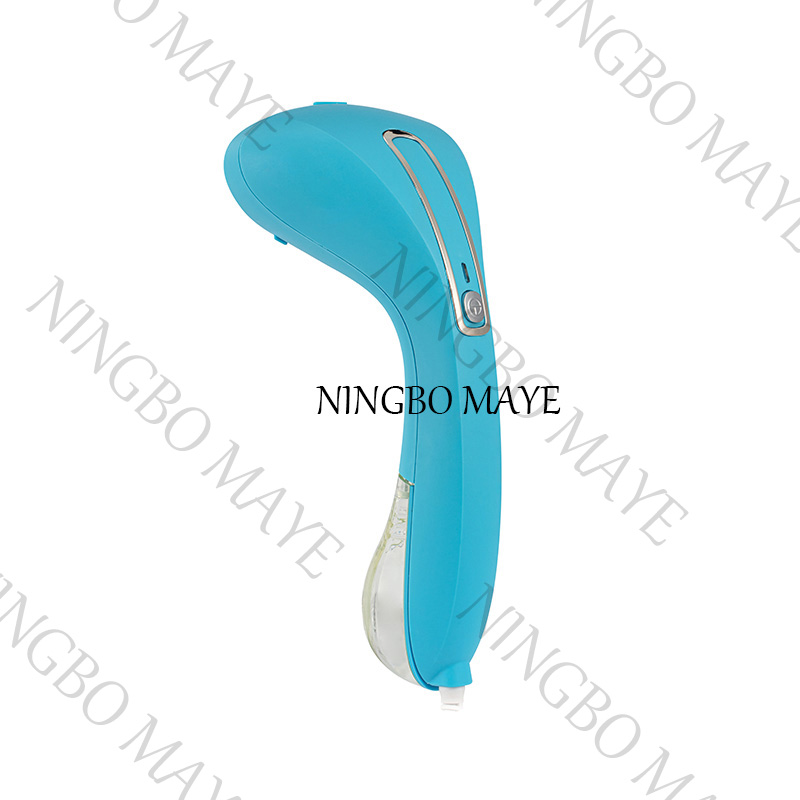 Custom TM-168 1100W 4-in-1 High Temperature Pressure Handheld Steam Vacuum SupplNingbo Maye Electric Appliance Technology Co., Ltd. is China TM-168 1100W 4-in-1 High Temperature Pressure Handheld Steam Vacuum Supplier...View Product →
A multipurpose unit that includes a floor brush, a detail brush, and a flat squeegee covers both walls and floors in one pass. The TM388 multi-purpose steam cleaner falls into this category, with a set of interchangeable attachments that help you steam tile, glass, and grout without switching machines. If you are still uncertain about the right format, reading through the complete guide to handheld steam cleaners can clarify the practical differences. For a broader view, you can also browse the household steam cleaner lineup and compare models side by side. And if you are focused strictly on mold prevention in a small apartment or dorm room, the key features and considerations when choosing a handheld steam cleaner may be the most useful place to start.
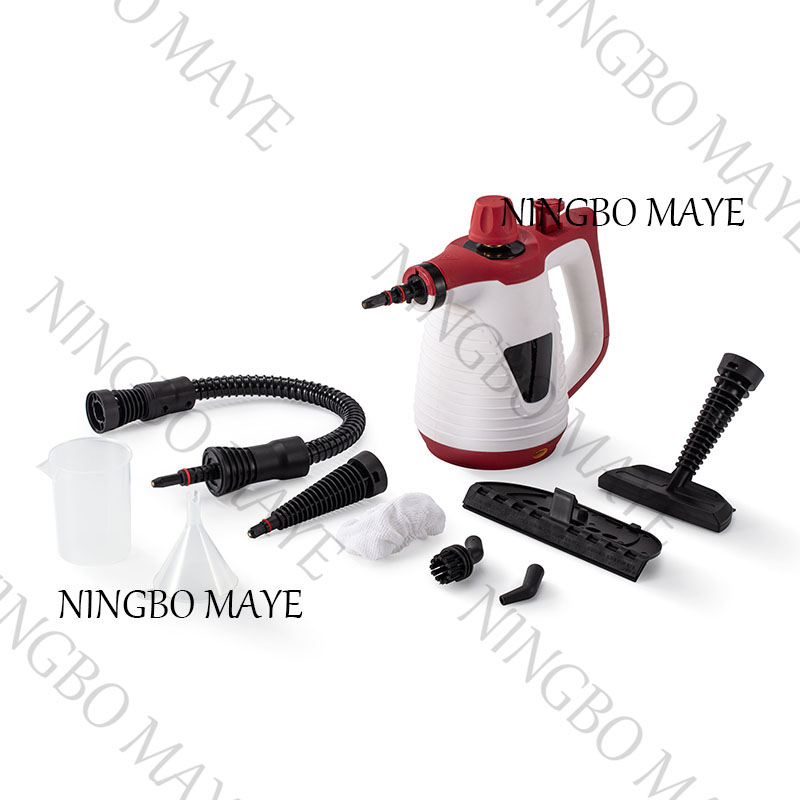 Custom TM-388 Handheld Multi-Surface Natural Steam Cleaner for Home Use SupplierNingbo Maye Electric Appliance Technology Co., Ltd. is China TM-388 Handheld Multi-Surface Natural Steam Cleaner for Home Use Suppliers a...View Product →
Steam cleaning removes the current outbreak, but it does not change the conditions that allowed mold to grow. The most reliable way to keep mold from returning after a steam treatment is to control moisture at the source. Relative humidity in the home should stay below 50 to 60 percent. In humid climates, a dehumidifier is often more valuable than any cleaning product. In bathrooms, run the exhaust fan for at least 15 to 30 minutes after every shower and consider wiping down wet tile with a squeegee after use. Fix leaking taps, showerheads, and pipe connections promptly, because even a slow drip can keep grout damp indefinitely.
Use mold-resistant materials where possible. In areas prone to condensation, apply a mold-resistant paint, replace old caulk with a premium silicone product, and seal grout annually. Keep furniture and large objects at least a few centimeters away from exterior walls to allow air circulation, and avoid storing cardboard boxes in damp basements or garages. If you have already gone through the effort of steam cleaning a once-infested area, a short weekly maintenance pass with the steam cleaner on the shower walls and floor will keep biofilm from building up again.
A steam cleaner that is poorly maintained will lose pressure and temperature, and a machine that leaves splashes of cold water will do more harm than good. Empty the water tank after every use. Leaving water in the tank encourages scale formation and bacterial growth inside the boiler. If you are in an area with hard water, use distilled water in the machine, or descale it every one to three months with a citric acid solution. Scale buildup narrows the internal tubing, reduces steam temperature, and can eventually block the nozzle entirely.
Clean the brush attachments and wipe the nozzle with a dry cloth after each session. Brushes that remain damp become a breeding surface for the same mold you are trying to eliminate. Check the power cord for damage, especially where it enters the handle, and inspect the steam hose for kinks or cracks. When the device begins to perform noticeably worse, replace worn brushes and seals rather than increasing pressure and forcing the system. With regular care, a good steam cleaner remains a dependable tool for mold prevention and household hygiene for years.
Steam cleaning is a legitimate, chemical-free method for killing surface mold on hard, sealed surfaces, and it is a strong complement to regular bathroom and kitchen hygiene. Used correctly, it kills mold cells, loosens biofilm, and helps you remove the dead residue that would otherwise remain as an allergen. Used on the wrong surface, or without proper drying, it can push moisture into porous materials and make the problem worse.
Start with a clear assessment of the surface and the extent of the mold. Wear basic protective equipment, work slowly enough to deliver lethal heat, wipe the residue away, and dry thoroughly. Choose a steam cleaner that delivers hot, pressurized steam at a temperature above 120°C, with brush attachments suited to grout and crevices. Then address the humidity that allowed the mold to grow in the first place. With that combination, steam cleaning moves from an experiment to a dependable part of your home maintenance routine.
Related Products

Address
East Zone Development Zone Lingshan Town Yuyao City Zhejiang P.R.C.
Tel
+86-18905840666 / +86-574-62067822
+86-15905848828
QR CODE
 Wholesale Multifunctional Steam Cleaner Manufacturers

 English
 Español