2026-09-24
A greasy kitchen backsplash, darkened grout in the bathroom, a drink stain on the sofa — three different surfaces, several different problems, and one solution that relies on nothing but heated water. Steam cleaning for the home has moved from professional cleaning trucks into ordinary household cupboards because it lifts grease, removes stains, and sanitizes without leaving chemical residue behind.
The conclusion up front: steam cleaning is the most practical chemical-free method for deep-cleaning hard surfaces and refreshing many soft ones, as long as you choose the right machine, respect surface limits, and maintain the unit.
Steam cleaning uses a sealed boiler or heating chamber to raise water temperature well past boiling, producing pressurized vapor at nozzle temperatures typically between 212°F and 300°F. The vapor carries heat into pores, grout lines, and fabric fibers where mops and cloths cannot reach. When steam hits a cooler surface, it condenses into a thin film of water; as that film evaporates, it lifts dirt and grease, where a microfiber pad or brush attachment collects it.
The heat is the sanitizer. Steam at sustained temperature kills up to 99.9% of bacteria, dust mites, and mold spores on sealed surfaces. Kill rate depends on dwell time: a fast sweep removes visible dirt, but holding the nozzle for a few seconds improves disinfection.
Quality steam cleaners produce dry steam — vapor with very low moisture that leaves surfaces barely damp and dries in minutes. Lower-temperature units generate wet steam, which handles heavy kitchen grease but leaves more moisture behind. For multi-surface home use, a dry-steam unit is the better investment.
Steam pressure pushes vapor into crevices; temperature determines how fast it dissolves grease and kills microorganisms. Higher pressure with fast heat-up usually wins, so compare output and heat-up time rather than brand names.
Steam cleaning earns its place because it replaces several single-purpose tools and most chemical cleaners at once.
Steam is powerful but not universal. High heat can damage finishes and moisture can warp materials — the most important caveat for new buyers.
| Surface | Steam safe? | Points to watch |
|---|---|---|
| Sealed tile and grout | Yes | Cracked or unsealed grout can absorb moisture and weaken further. |
| Porcelain, vinyl, stone floors | Yes | Keep the head moving so heat does not build up. |
| Glass, mirrors, stainless steel | Yes | Wipe right away to avoid streaks. |
| Sealed granite and quartz | Usually | Verify the sealant; unsealed stone should not be steamed. |
| Mattresses and upholstery | With care | Use a fabric attachment and dry fully before use. |
| Laminate, unsealed hardwood | No | Heat and moisture warp planks and lift finishes. |
| Silk and delicate synthetics | No | Steam can shrink or melt these fibers. |
The right machine depends on the size of your home and the tasks you tackle most often. Three broad categories cover almost every household.
A canister unit combines a larger tank and boiler with a hose, floor brush, and many attachments. It delivers continuous steam over long sessions, making it the best choice for large homes and jobs such as oven interiors, fabric steaming, and multi-room floors. Trade-offs are weight, storage space, and price.
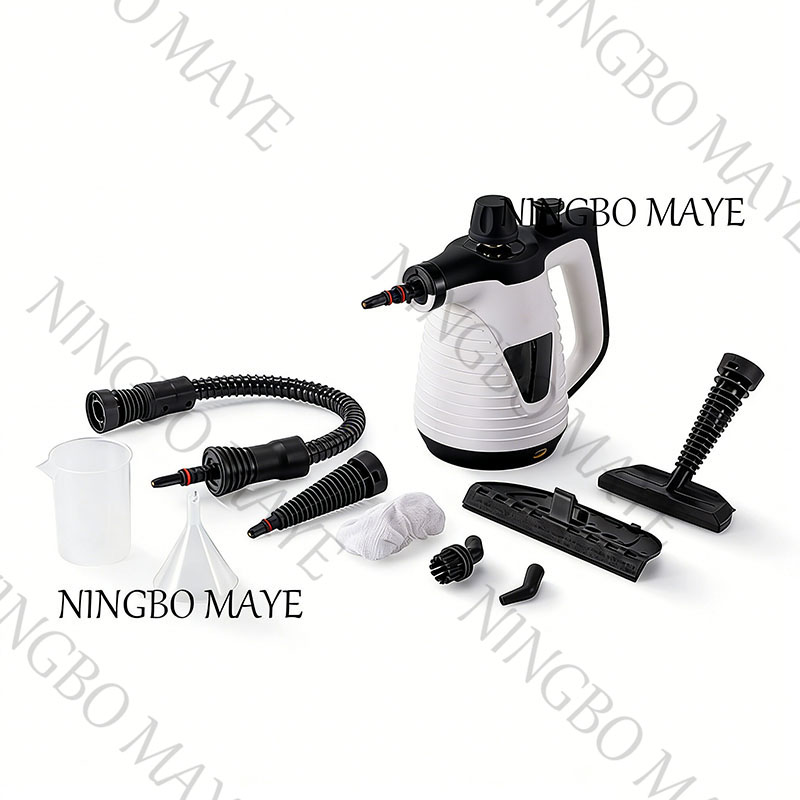
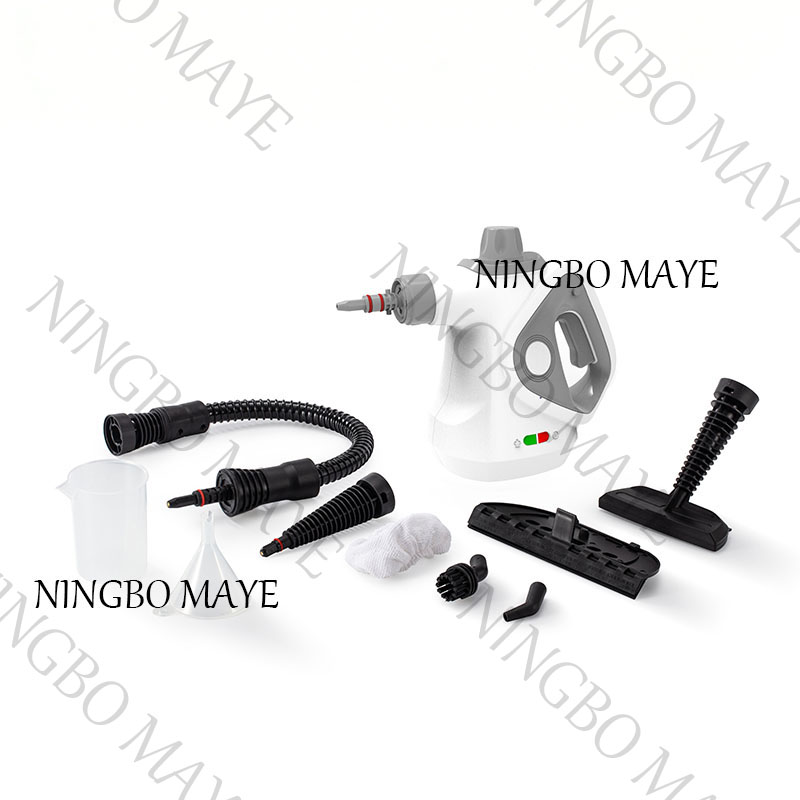
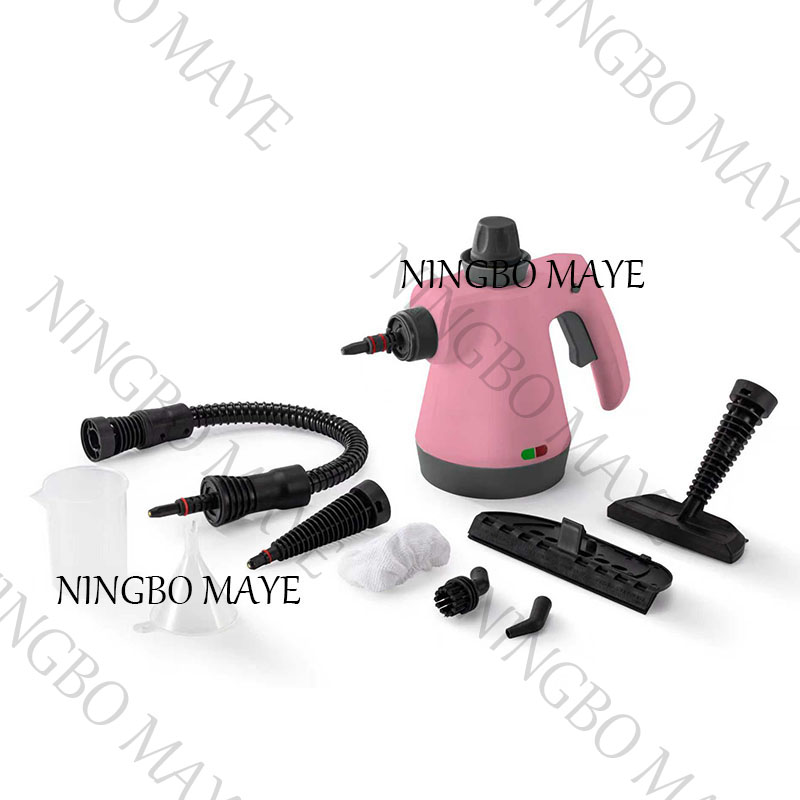
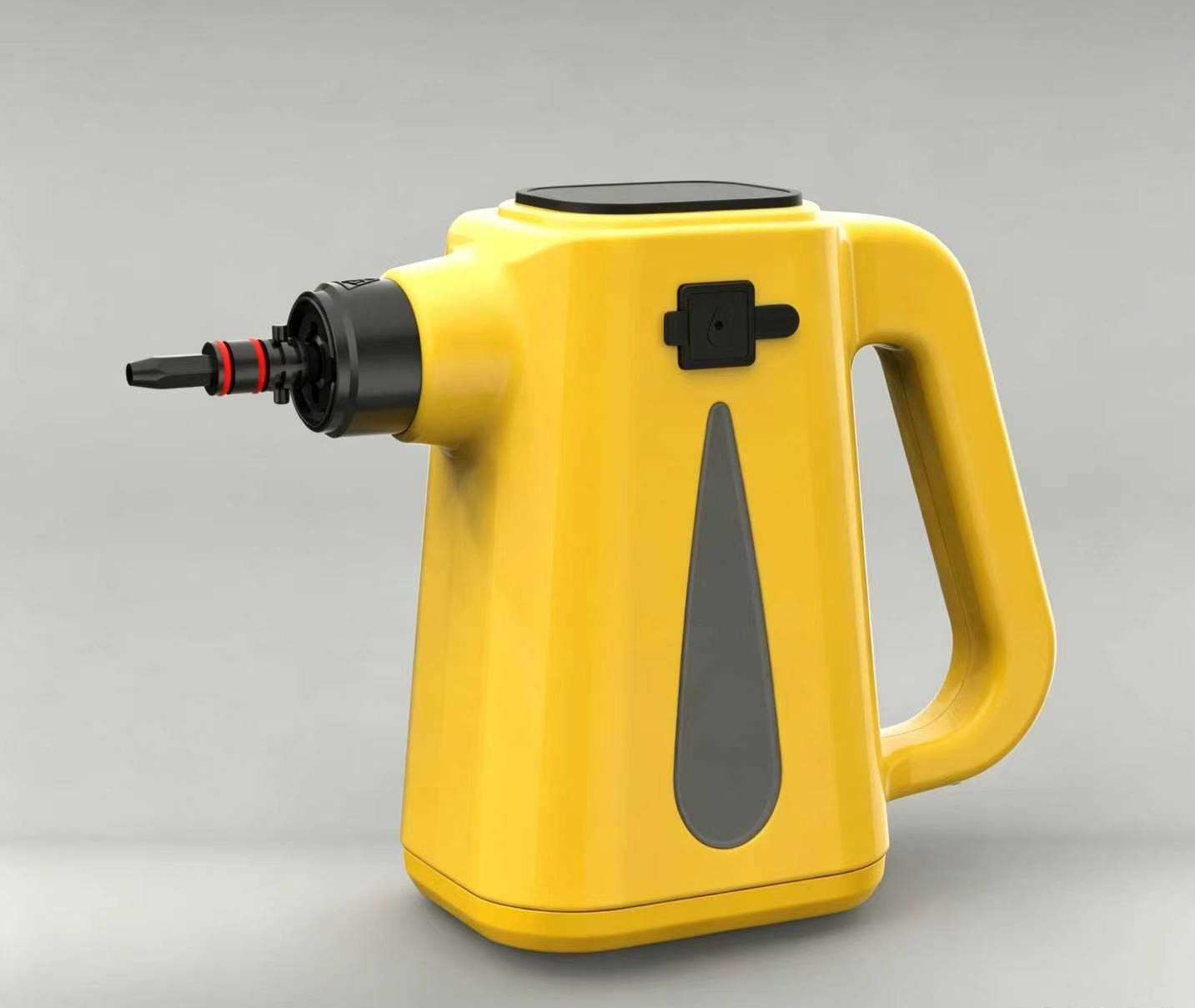
Handheld units are compact, heat up quickly, and usually include a brush set, nozzle, and measuring cup. They suit bathrooms, kitchen counters, grout, window tracks, upholstery, and car interiors. Runtime is limited by the tank, usually 8 to 15 minutes, which covers most daily tasks. For a flat or apartment, a good handheld unit such as the TM388 handheld steam cleaner handles the majority of steam cleaning jobs without filling a cupboard.
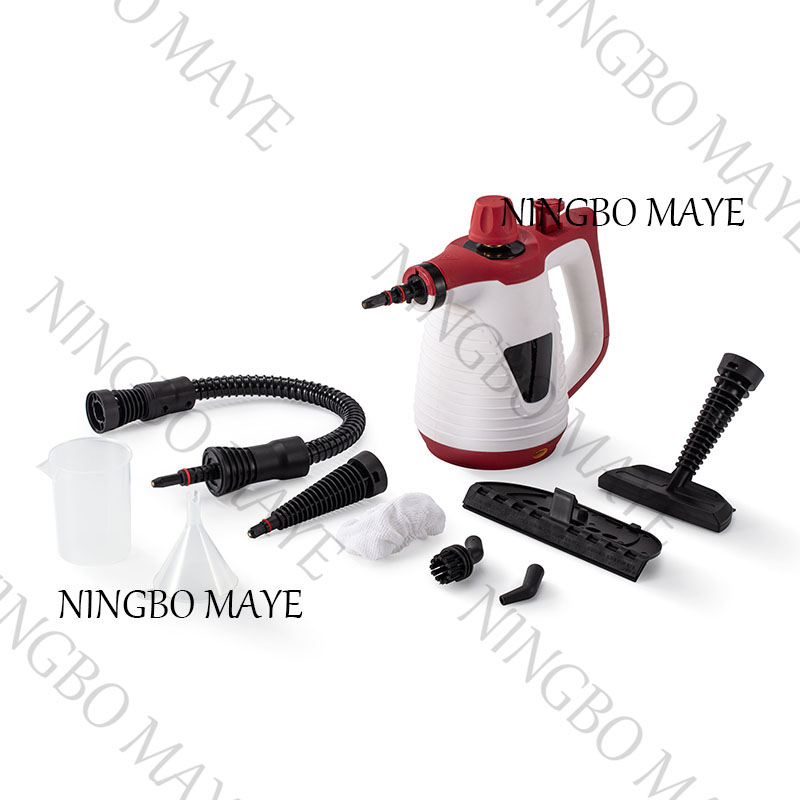 Custom TM-388 Handheld Multi-Surface Natural Steam Cleaner for Home Use SupplierNingbo Maye Electric Appliance Technology Co., Ltd. is China TM-388 Handheld Multi-Surface Natural Steam Cleaner for Home Use Suppliers a...View Product →
A steam mop is a flat mop head on a stick for hard floors such as tile, vinyl, and sealed stone. It is light and simple, but lacks nozzles and brushes for grout, ovens, or fabrics. If floors are the only priority, a steam mop may be enough; for versatility, choose a handheld or canister unit.
The difference between a frustrating steam cleaner and a genuinely useful one comes down to a few measurable specifications:
Buying from a manufacturer that produces steam cleaners under certified quality systems is the low-risk choice. For a practical checklist, our overview of the key features and considerations when choosing a handheld steam cleaner walks through each spec in more detail.
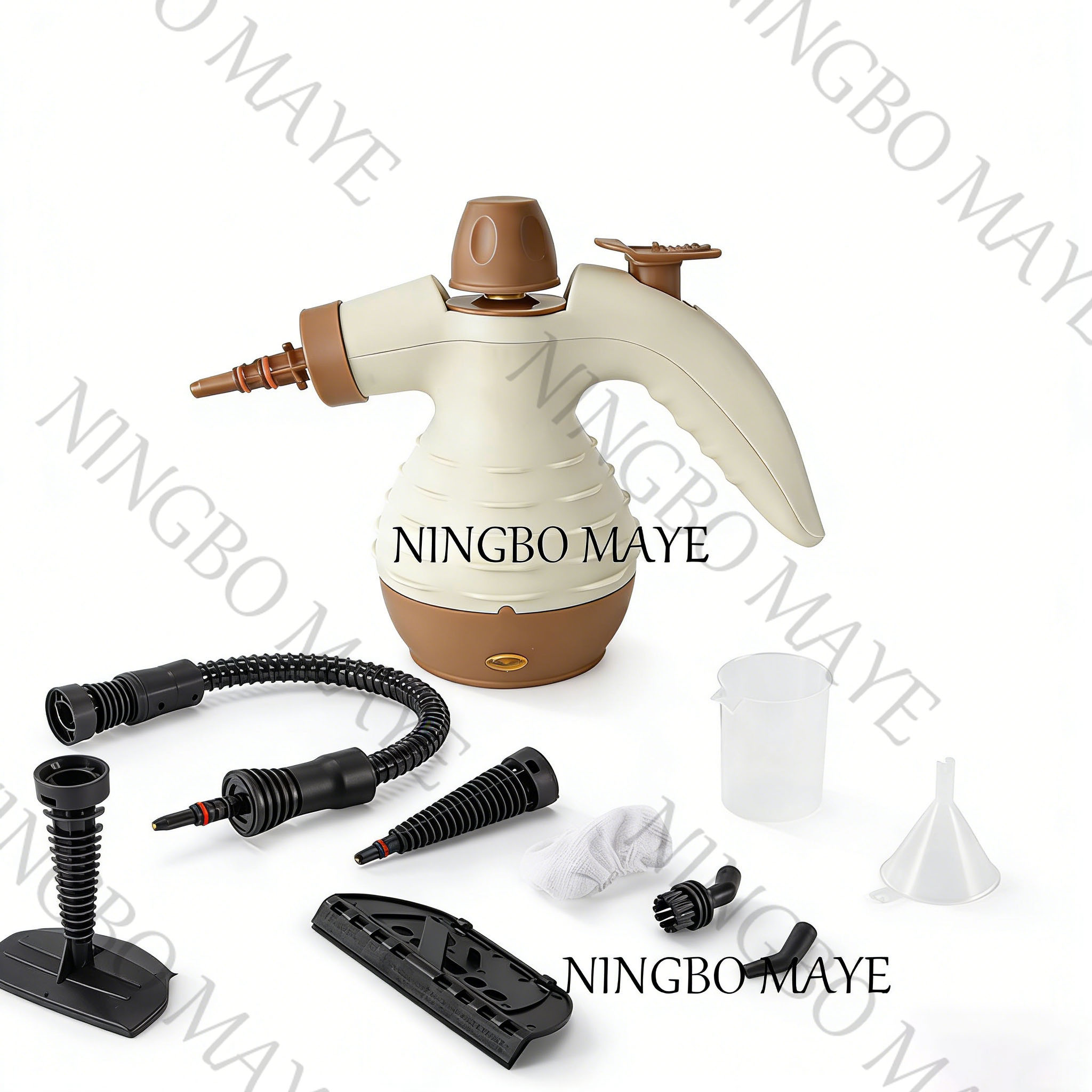
For kitchen and bathroom duty specifically, the TM178 compact steam cleaner offers a short heat-up cycle and an accessory set sized for daily household use.
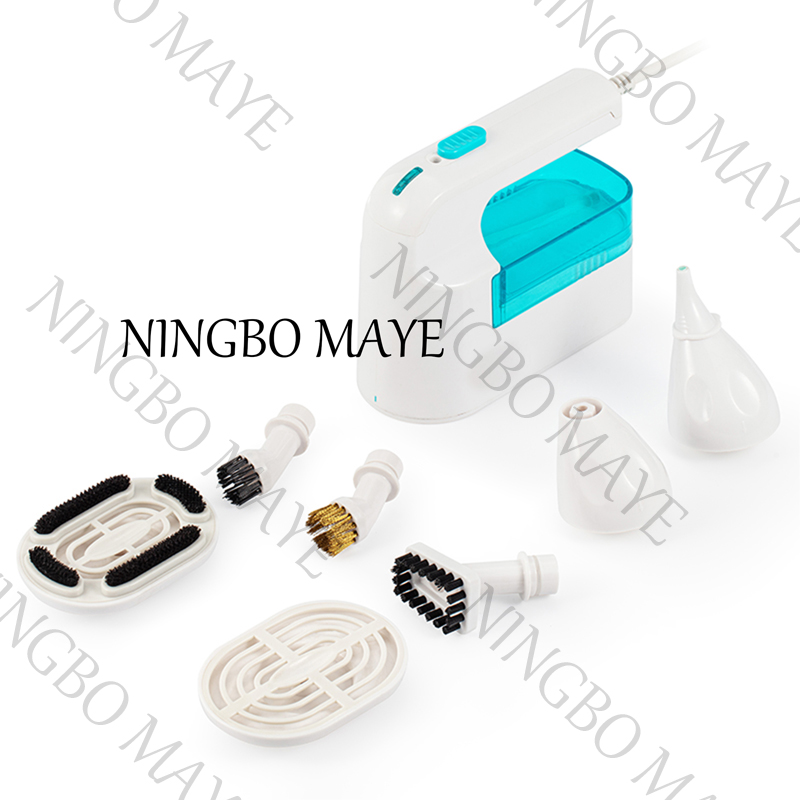 Custom TM-178 High-Temp High Pressure Household Steam Cleaner Suppliers, OEM/ODMNingbo Maye Electric Appliance Technology Co., Ltd. is China TM-178 High-Temp High Pressure Household Steam Cleaner Suppliers and OEM Fac...View Product →
Technique matters as much as the machine. Follow these steps for consistent results on hard and soft surfaces:
Most hard surfaces dry in under five minutes and fabrics in roughly 30, so steam cleaning does not disrupt your day.
Regular care separates a steam cleaner that works like new after three years from one that spits water after a few months. Even a durable unit such as the JQ688A steam cleaning unit needs a regularly cleaned tank.
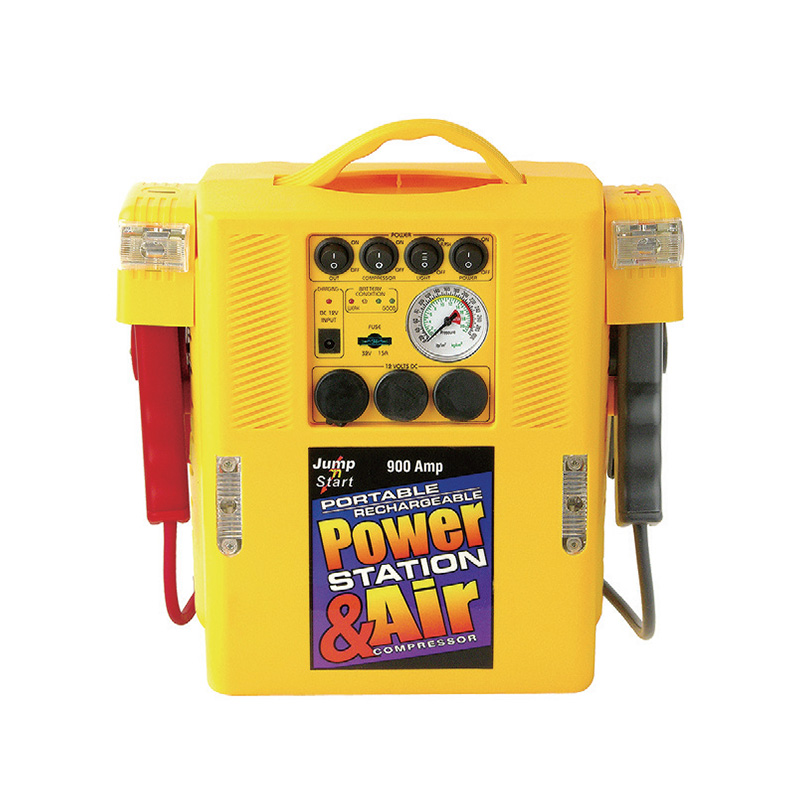
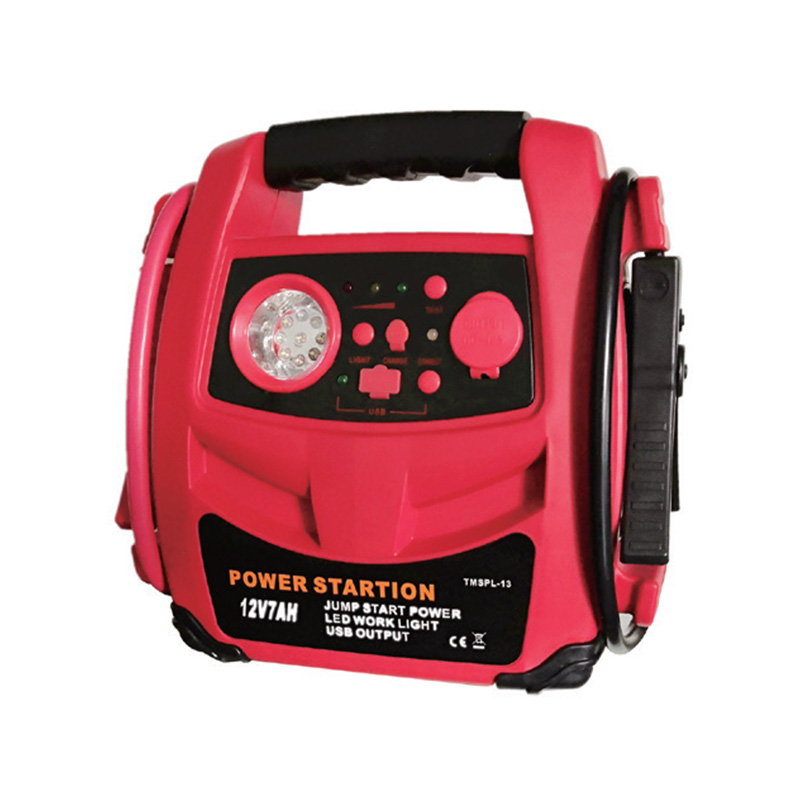
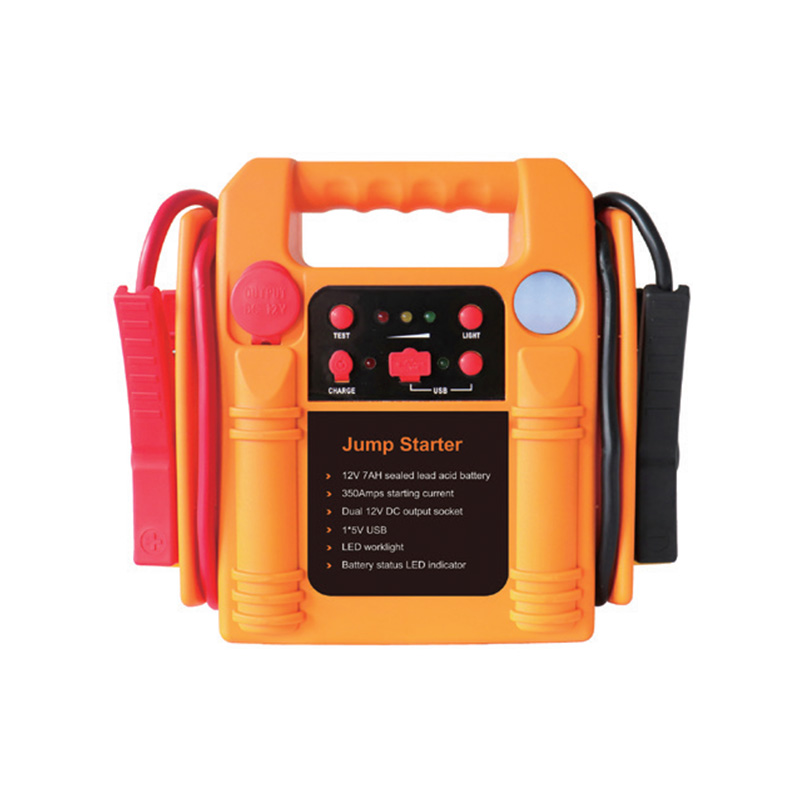 Automotive Electrical Appliances Manufacturers, FactoryAs China Automotive Electrical Appliances Manufacturers and Factory, Ningbo Maye Electric Appliance Technology Co., Ltd. supply Custom Au...View Product →
For a deeper look at how these machines build pressure and convert water into steam, our complete guide from principle to application for handheld steam cleaners explains the design choices in more detail.
Steam is genuinely hot, so the safety rules are simple and non-negotiable:
Steam cleaning is the closest thing home cleaning has to a single replacement for detergents, disinfectants, and floor scrubbers. It deep-cleans tile, glass, stainless steel, and fabric, kills up to 99.9% of common household bacteria and dust mites, and does it all with plain water — which is why it has become standard in homes that prioritize chemical-free living.
The key is matching the machine to the job: a handheld unit for apartments, a steam mop for floor-only homes, a canister unit for larger houses. Look for fast heat-up, adjustable output, a usable accessory set, and real certifications. If you want to see how these principles translate into a practical lineup, Maye Electric's household products are a good place to start. Choose on specification, maintain the unit monthly, and it pays for itself many times over.
Related Products

Address
East Zone Development Zone Lingshan Town Yuyao City Zhejiang P.R.C.
Tel
+86-18905840666 / +86-574-62067822
+86-15905848828
QR CODE
 Wholesale Multifunctional Steam Cleaner Manufacturers

 English
 Español