2026-11-05
You lift the bath mat and find a dark, speckled line along the silicone where the shower tray meets the tile. Or you open a window in a rental unit and see a soft gray bloom on the painted frame. The first question is usually practical: can a steam cleaner kill that mold, or does it just make the surface wet and spread the problem? The short answer is yes, steam cleaning can kill mold on exposed surfaces when the steam is hot enough and stays in contact long enough. The longer answer is that killing mold, removing mold, and preventing mold from returning are three different jobs. Steam is useful for the first job on some surfaces, limited for the second, and almost irrelevant to the third unless you also fix the moisture that let the mold grow.
That distinction matters because a steam cleaner is not a magic wand. It can deliver saturated vapor at temperatures near or above 100°C at the nozzle, but the temperature at the mold site drops quickly as the steam hits cold tile, grout, caulk, or drywall. A few seconds of contact can be enough to inactivate many common indoor molds on a smooth, non-porous surface. It is usually not enough to penetrate a porous material, kill hyphae growing inside it, or neutralize the allergens and pigments left behind. If you steam a patch of mold and then leave the area damp, you may have killed some of the organisms while creating better conditions for the survivors and for new growth.
The useful rule is simple: steam can be part of mold cleanup on hard surfaces, but it is not a substitute for removing mold-damaged porous materials, correcting water intrusion, and drying the space. This article explains what steam does well, where it fails, how to use it without spreading spores, and what to check before you decide that the mold is gone.
Steam cleaning can kill mold, but the result depends on the surface, the mold's growth stage, the steam temperature, and the dwell time. Mold is a fungus that grows as thread-like hyphae and produces spores. Heat can damage fungal cell membranes and proteins, and moist heat is generally more effective than dry heat at the same temperature. Many common indoor molds are inactivated in the range of roughly 60°C to 80°C when that temperature is held long enough. A steam cleaner can exceed that at the nozzle, but the surface you are treating may be much cooler, especially if it is thick, cold, or wet.
There is no single "mold dies at X degrees" number that applies to every species and every material. Some spores are more heat-resistant than others. Porous materials insulate the mold from the heat. A thin film of mold on glazed tile is a very different target from mold growing into drywall paper or silicone sealant. In practice, steam is most likely to kill mold on hard, non-porous surfaces where the steam can contact the growth directly and the surface can be wiped dry afterward. It is least reliable on materials where the mold has penetrated below the surface.
Even when steam kills mold, the dead material remains. Dead spores and fragments can still trigger allergies or asthma in sensitive people. Mold pigments can leave stains. Mycotoxins, where present, are not reliably destroyed by a short steam pass. That is why "kill" should not be confused with "clean." A surface that has been steamed may look better and may have fewer viable organisms, but it still needs physical removal of residue and, in many cases, disinfection or replacement.
| Surface type | Likely kill on exposed surface | Removal result | Practical note |
|---|---|---|---|
| Glazed tile, glass, porcelain, sealed metal | High when steam contacts the growth directly | Good after wiping and drying | Use a squeegee or microfiber cloth; avoid thermal shock on cold glass. |
| Grout, silicone caulk, painted trim | Moderate at the surface | Partial | Staining and embedded growth may remain; replace caulk if it is soft or black beneath the surface. |
| Drywall, ceiling tile, raw wood, carpet, upholstery | Low below the surface | Not reliable | Steam adds moisture and may drive growth deeper; removal or professional remediation is usually safer. |
| Washable curtains, bedding, small fabrics | Variable | Limited by penetration | Hot-water laundering with detergent and complete drying is usually more consistent. |
| HVAC ducts, wall cavities, ceiling voids | Not a do-it-yourself target | Not reliable | Steam cannot reach the growth and may spread spores; use professional containment and remediation. |
Mold is not an animal and it does not "burn" in the way paper does. Heat kills it by denaturing proteins, disrupting membranes, and interfering with enzymes needed for growth. Moist heat is efficient because water conducts heat into the cell and because steam carries latent heat that is released when it condenses on a cooler surface. That is why a steam cleaner can be more effective than a hair dryer at the same indicated temperature: the steam condenses on the mold and the surface, giving up energy and keeping the area hot and wet for a short time.
The catch is that temperature at the nozzle is not temperature at the mold. A boiler-style steam cleaner may produce steam at 100°C or higher, but the steam expands, mixes with cooler air, and loses energy before it reaches a grout line or a cold exterior wall. The surface temperature may rise only to 50°C or 60°C, and it may stay there for just a few seconds. Thin, dark, non-reflective surfaces absorb heat faster than thick, light-colored, or wet surfaces. A cold ceramic tile can pull heat away quickly. A layer of soap scum or biofilm can insulate the mold from the steam.
Dwell time is as important as peak temperature. A quick pass with a handheld steamer may be enough to loosen dirt and make mold look better, but it may not be enough to inactivate a meaningful share of the growth. For a contaminated silicone bead or grout line, a slower pass with a narrow nozzle, followed by a second pass, is more realistic than a single sweep. For a large flat surface, work in small overlapping sections and keep the nozzle close to the surface. Do not rely on the steam's visible plume as proof of temperature; by the time you see a cloud, the steam has already mixed with cooler air.
It also helps to think in terms of "log reduction" rather than a yes-or-no kill. Cleaning reduces the number of viable organisms and removes the organic material they feed on. A steam pass may reduce viable mold by a large percentage on a smooth surface, but it will not sterilize a bathroom. The goal in a home is not zero microorganisms; it is removing visible growth, reducing exposure, and making the environment unsuitable for regrowth. That goal is reached through removal, drying, and moisture control, with steam as one tool among several.
Steam is at its best on glazed tile, glass, porcelain, sealed stone, enamel, and sealed metal. These surfaces do not absorb water deeply, and mold usually grows on the surface as a film or in a thin layer of soap scum, body oil, and dust. Steam can soften that film, lift the mold, and heat the surface enough to inactivate a useful portion of the growth. The key is to follow with physical removal. Use a squeegee, a microfiber cloth, or a soft brush to take the loosened material off the surface, then dry the area. If you steam and walk away, the mold residue is still there.
Bathroom tile and shower walls are common candidates. Work from the top down so dirty water does not run over clean areas. Use a narrow nozzle for grout lines and a wider brush attachment for flat tile. Keep the room ventilated, and do not let the steam condense on cool surfaces for long periods. After steaming, wipe the surface dry and run an exhaust fan or dehumidifier until the grout and caulk are fully dry. If the caulk is soft, cracked, or black beneath the surface, replacing it is usually more effective than repeated steaming. Mold can grow in the back of the silicone bead where steam cannot reach.
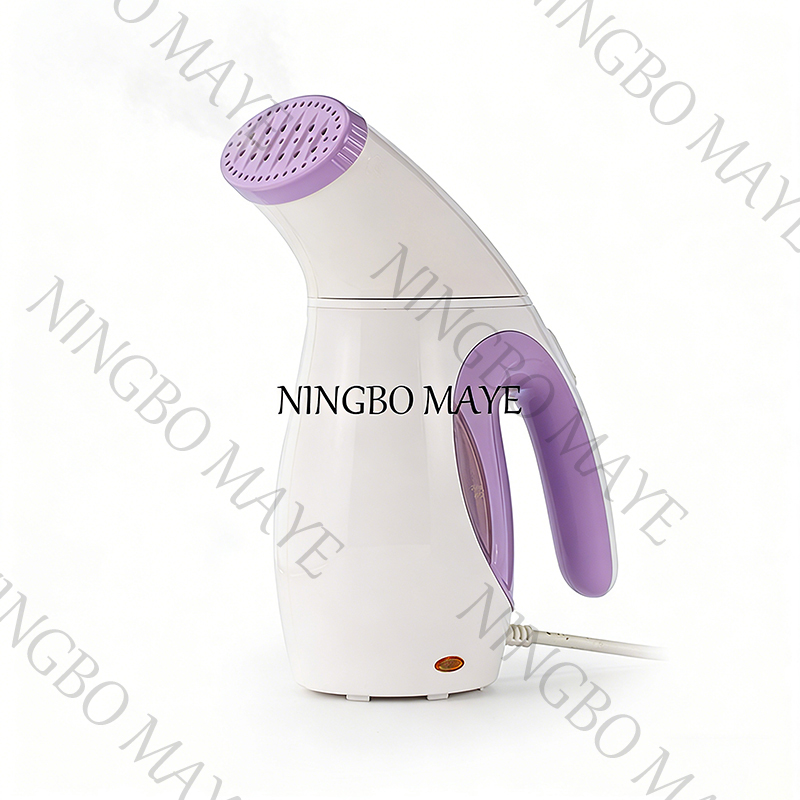
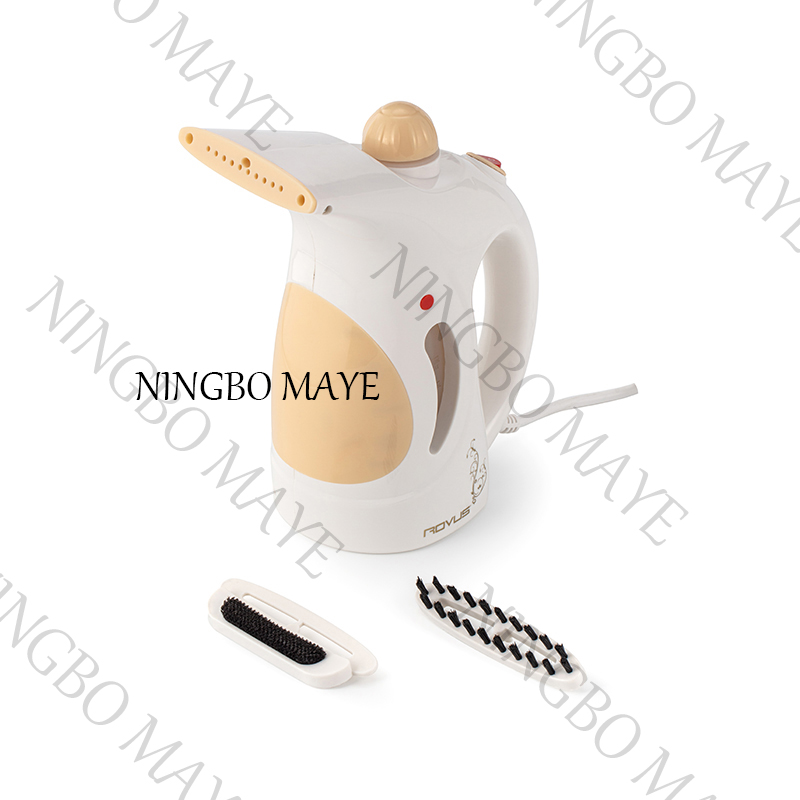 TM-188 Compact Electric Garment Steamer for ClothesCompact 200ml garment steamer with 30-second heat-up and adjustable steam for cotton, linen, silk, and synthetics; intended for clothes, not grout or tile.View Product →
Grout and silicone are semi-porous. Steam can kill mold on the surface and help lift staining, but it cannot reliably reach hyphae that have grown into the material. Grout that looks dark in patches may be stained rather than actively growing mold, but a musty odor or a damp feel suggests ongoing growth. Steam cleaning can be part of maintenance, especially in a shower that is already being dried and ventilated, but it is not a permanent fix for a chronically wet shower. If the grout is crumbly or the caulk is peeling, remove and replace the affected material.
Painted trim is another mixed case. Steam can soften paint and drive moisture into wood, so use the lowest effective steam setting, keep the nozzle moving, and dry the surface immediately. If mold has grown into the wood or behind the paint, steam will not solve it. The same applies to painted drywall: the paper facing is a food source for mold, and steam can wet it further. A small surface speck on semigloss paint may be cleanable, but a patch that has spread into the drywall is a removal job, not a steam job.
Drywall, ceiling tile, carpet, upholstery, raw wood, and insulation are poor candidates for steam mold treatment. These materials absorb water and insulate the mold from heat. Steam may kill some surface growth while adding moisture that supports regrowth deeper in the material. In drywall, mold can grow on the paper facing and inside the gypsum core. In carpet, mold can grow in the backing and padding. In ceiling tile, the porous structure holds moisture and organic dust. In these cases, the safer approach is to remove and discard the affected material, contain the area, and fix the moisture source.
Soft furnishings need a different method. Washable curtains, pet bedding, and small rugs may be better treated by hot-water laundering with detergent and thorough drying. Steam can refresh the surface, but it does not penetrate like a washing machine. Non-washable upholstery is difficult to clean reliably; if it has a musty odor or visible growth, replacement may be more practical. Do not steam a wall cavity, ceiling void, or HVAC duct. The steam cannot reach the growth, and the equipment can aerosolize spores into the room. Some materials should not be steamed at all, and it is worth checking materials that should not be steamed before you treat an unfamiliar surface.
Mold needs moisture, organic material, and suitable temperatures. Remove the moisture and the mold cannot continue to grow, even if a few spores remain. That is why a successful mold cleanup starts with finding the water source, not with choosing a cleaning tool. A steamer can kill mold on a shower wall, but if the shower stays wet, the exhaust fan is undersized, or the grout is cracked, the mold will return. A steamer can make a window frame look clean, but if condensation forms every morning because of a failed seal or poor ventilation, the growth will come back.
Steam itself adds moisture. In a small bathroom, a long steaming session can raise the humidity enough to leave condensation on walls and mirrors. If the room is not dried afterward, that moisture can feed mold in corners, on ceilings, and inside cabinets. Use the exhaust fan before, during, and for at least twenty minutes after steaming. Open a window if outside conditions are dry and not humid. Wipe down surfaces. Run a dehumidifier if the room does not dry within a few hours. A cheap hygrometer can help; aim to bring the relative humidity back below roughly 50% to 60% after cleaning.
Look for the less obvious moisture sources as well. A slow supply-line leak under a sink, a blocked condensate drain, a leaking roof, a crack in a shower pan, or a cold water pipe that sweats can all feed mold in places you cannot see. A musty smell that returns within days is a sign that the moisture source is still active. Painting over the stain or spraying a disinfectant will not fix it. If the mold is in a wall cavity or under flooring, steam cleaning is not the right tool; the area needs to be opened, dried, and repaired.
Drying is not just "leave the door open." Air movement matters. A fan moves humid air away from the surface; a dehumidifier removes water from the air; an exhaust fan replaces humid indoor air with drier outdoor air. In a bathroom, a squeegee after every shower is more effective than a monthly deep clean. In a basement, a dehumidifier and a sealed floor may be necessary. In a kitchen, fix the dishwasher leak and clean the refrigerator drip tray. The goal is to make the environment boring for mold.
If you have decided that steam is appropriate for the surface, use a sequence that protects you and prevents spread. The following steps are for small, surface-level mold on hard, non-porous materials. If the affected area is larger than about ten square feet, or if the mold is in drywall, carpet, HVAC, or a wall cavity, professional remediation is usually the safer route.
Do not mix steam with a bleach solution or another chemical cleaner in the same session. Some combinations can produce irritating vapors, and wet surfaces can drive chemicals deeper into porous materials. If you use a disinfectant after steaming, choose one labeled for the surface and follow the label's contact time. Remember that disinfectants work best on clean surfaces; organic residue reduces their effectiveness. For many hard surfaces, cleaning and drying are more important than a marginal extra kill step.
Not all steam cleaners are equal for mold work. The most important variables are steam temperature, steam volume, nozzle control, and the ability to keep the steam dry enough to penetrate rather than just wet the surface. A small handheld unit may be convenient for a bathroom, but it may have a short run time and a small water tank. A larger boiler-style unit may produce stronger, more continuous steam, but it takes longer to heat up and is less convenient for small touch-ups. For occasional surface mold on tile and grout, a handheld steamer with a narrow jet and a brush attachment is often sufficient. For larger areas, a unit with a larger tank and adjustable steam control is more practical.
Pressure and temperature ratings need to be read carefully. A "100°C" rating may refer to the boiler, not the steam at the nozzle. A "3 bar" or "4 bar" pressure rating may describe the pump or the boiler, not the cleaning impact at the surface. Look for continuous steam, a safety lock, a cool-touch handle, and a nozzle that can be directed precisely. A flexible hose and a range of attachments help, but too many small plastic parts can be difficult to clean and may harbor residue. For mold work, a focused jet and a soft brush are more useful than a wide window-cleaning attachment.
Water quality matters as well. Mineral-rich tap water can cause scale in the boiler and reduce steam output over time. Distilled water is a better choice in hard-water areas, especially for units that are used infrequently. Scale is not just a maintenance issue; a scaled boiler may produce weaker steam and sputter water droplets, which can wet the surface without heating it evenly. Empty the tank after use, follow the manufacturer's descaling schedule, and store the unit dry. A steam cleaner that sits with water in the tank can develop odors and mineral buildup.
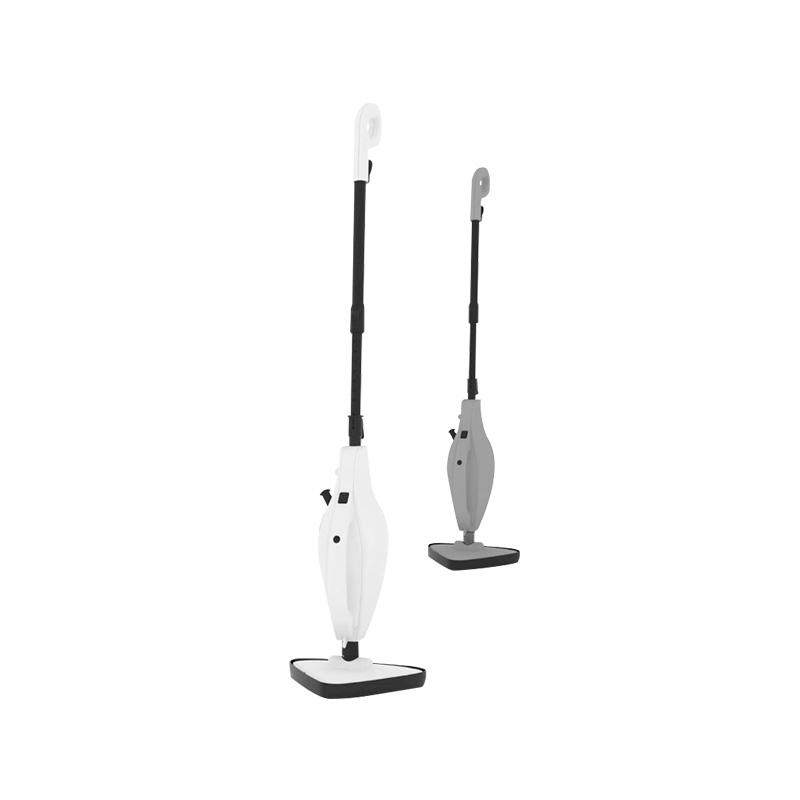
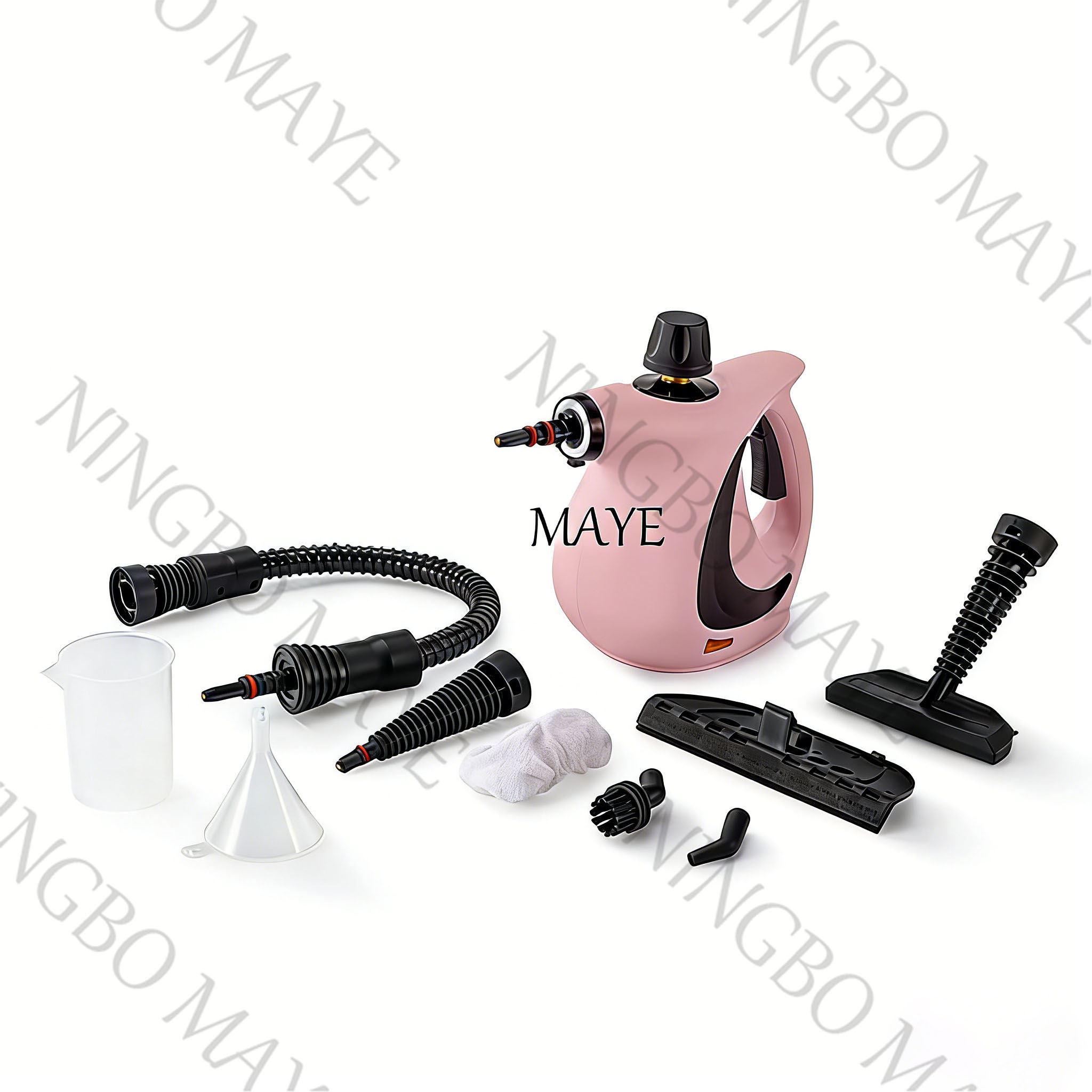
 TM-388 Handheld Multi-Surface Steam CleanerHandheld steam cleaner with 350ml tank, 3m cord, and nine accessories for tiles, floors, and furnishings; suited to regular spot cleaning in wet rooms.View Product →
From a product design standpoint, the useful features for mold-related cleaning are not the flashiest ones. A clear water-level window, a trigger that can be locked for continuous steam, a nozzle that stays cool enough to handle, and a cord long enough to reach a bathroom without an extension lead all matter. A unit that heats up quickly encourages spot treatment instead of waiting for a large boiler. A unit that is easy to disassemble and clean is more likely to be used again. For export buyers, these practical details often matter more than a long list of attachments that are rarely used.
Steam cleaning can aerosolize mold spores and fragments. That is one of the main reasons to avoid dry brushing or high-pressure spraying before the area is contained. When steam hits a moldy surface, it can lift particles into the air. In a small bathroom with an exhaust fan, the exposure may be limited, but in a larger room or a poorly ventilated space, the concentration can rise. Wear a respirator, keep bystanders out, and ventilate the area. If you have a known mold allergy or asthma, ask someone else to do the work or use a professional service.
Dead mold is still a potential allergen. A surface that has been steamed may have fewer viable spores, but the dead material and fragments remain until they are physically removed. That is why wiping, HEPA vacuuming, and drying are part of the process. It is also why "killing" mold with a fogger or a disinfectant alone is not a complete solution. The residue has to go. In sensitive environments, such as a bedroom or a child's play area, removal and drying are more important than the last fraction of kill.
Steam also creates a burn hazard. The nozzle, hose, and nearby surfaces can become hot. Keep children and pets away during use. Do not point the steam at electrical outlets, switches, light fixtures, or appliance cords. Do not use a steam cleaner on unsealed wood, cold glass that may crack from thermal shock, or materials that cannot tolerate heat. Check the manufacturer's instructions for the surface and the machine. If the mold is in a area that has been flooded with sewage or contaminated water, do not handle it as a simple surface mold job; use appropriate protective equipment and professional remediation.
If the mold covers a large area, has spread into drywall or insulation, or keeps returning after cleaning, a professional assessment is worth the cost. A remediator can use moisture meters, thermal imaging, and containment to find hidden growth. The expense of inspection is usually smaller than the cost of replacing building materials or dealing with chronic indoor air complaints. For landlords and property managers, a documented moisture fix and a professional cleanup can also reduce future liability.
Visual improvement is the first sign, but it is not proof. After steaming and wiping, the surface should look clean and dry. There should be no musty odor in the area once the room has ventilated. A moisture meter can help on wood and drywall, but it only measures moisture, not mold. A hygrometer can confirm that the room has dried to a reasonable relative humidity. If the surface still feels damp after several hours, keep drying and investigate why.
Watch for recurrence. If a dark line returns along the silicone within a week or two, the mold was either not removed or the moisture source is still active. If the grout looks stained but stays dry and does not grow, the discoloration may be cosmetic. If a musty smell persists after cleaning, there may be hidden growth in the wall, under the floor, or in the ceiling. Do not paint or caulk over a musty area until you have found the source. A sealed-in moisture problem will continue behind the new finish.
Testing is optional for small, visible surface mold. Do-it-yourself mold test kits can confirm that mold is present, but they do not tell you whether the area is safe or whether the cleanup worked. A professional assessment may be more useful when there is a health concern, a real estate transaction, or a persistent odor. In many homes, the practical test is simple: clean, dry, fix the moisture, and observe. If the mold does not return, the job was probably adequate. If it returns, the cause is still there.
For porous materials, replacement is often the only reliable verification. You cannot see inside a piece of drywall or carpet padding. If the material has been wet for more than a day or two, or if it has visible growth on both sides, discard it. A moisture meter that shows elevated readings after drying is a warning sign. In a bathroom, remove and replace soft caulk rather than trying to steam it clean. In a basement, remove wet insulation and dry the framing before rebuilding.
For a household steam cleaner to be genuinely useful in mold-prone areas, it needs to deliver steam where the user can control it. A narrow jet for grout, a brush for tile, and a squeegee for glass cover most bathroom tasks. A unit that is too large may be left in the cupboard; a unit that is too small may run out of steam halfway through a shower. The best compromise is often a handheld or compact canister model with a tank large enough for ten to fifteen minutes of continuous work, a fast heat-up time, and a nozzle that can be aimed precisely.
Buyers should also consider maintenance. Mold work often happens in wet rooms, and a steam cleaner that is difficult to empty or descale will not be used regularly. Look for a removable tank, a visible water level, and a descaling reminder. Safety features matter: a pressure cap that cannot be opened while hot, a trigger lock, and a cool-touch handle. For manufacturers, these are not premium extras; they are the difference between a product that supports a cleaning habit and one that creates a new chore.
 TM-399 Handheld Multi-Surface Steam Cleaner with Selectable SteamLightweight 350ml handheld steam cleaner with selectable steam intensity and nine accessories for floors, tiles, curtains, sofas, and bathroom surfaces; a practical range option.View Product →
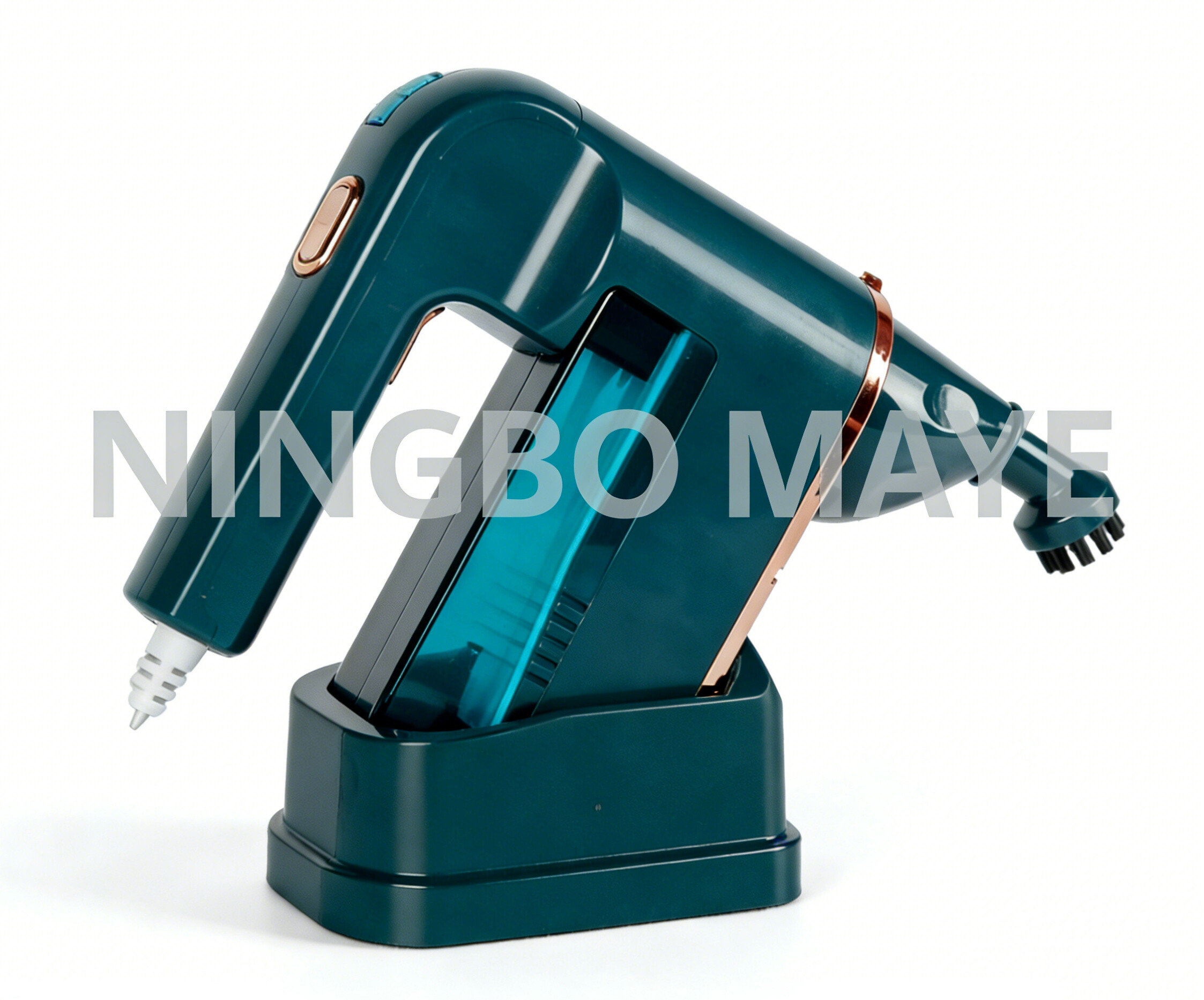
In our own household steam cleaner range, models such as the TM-188, TM-388, and TM-399 reflect different balances of tank size, steam control, and attachment sets. The right choice depends on whether the user is treating a small bathroom, a kitchen, or a larger tiled area. The important point is not the model number; it is whether the steam can be directed, held on the growth long enough, and followed by drying. A steam cleaner is a cleaning tool, not a moisture remedy. The product can help with the surface; the building has to handle the water.
Steam cleaning can kill mold on exposed, hard surfaces when the steam is hot enough and the dwell time is long enough. It is a useful part of bathroom and kitchen maintenance, especially on tile, glass, and sealed surfaces. It is less reliable on grout, silicone, painted wood, and drywall, and it is not appropriate for wall cavities, carpets, upholstery, or HVAC systems. The heat may inactivate mold, but it does not remove the residue, reverse staining, or fix the moisture that caused the growth.
The practical approach is to find and fix the water source, remove what can be removed, steam only what is suitable, wipe and HEPA vacuum the residue, and dry the area completely. If the mold returns, treat that as information: the moisture problem is still there. If the affected area is large, porous, or persistent, call a professional. Steam cleaning is a helpful tool in the right place, but it works best when it is part of a broader cleanup and moisture-control plan, not a standalone cure.
Related Products

Address
East Zone Development Zone Lingshan Town Yuyao City Zhejiang P.R.C.
Tel
+86-18905840666 / +86-574-62067822
+86-15905848828
QR CODE
 Wholesale Multifunctional Steam Cleaner Manufacturers

 English
 Español