2026-05-21
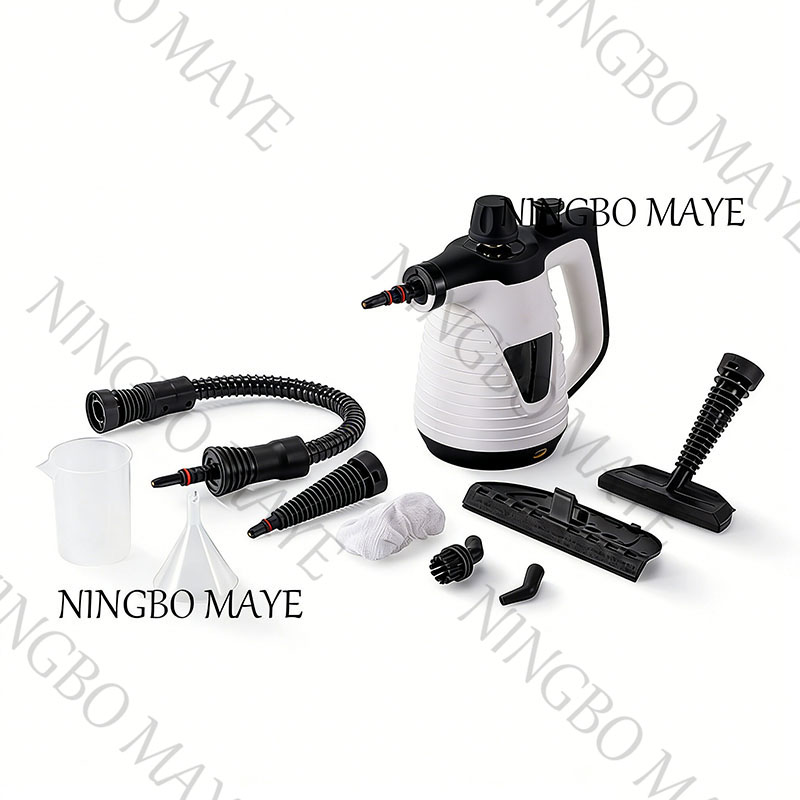
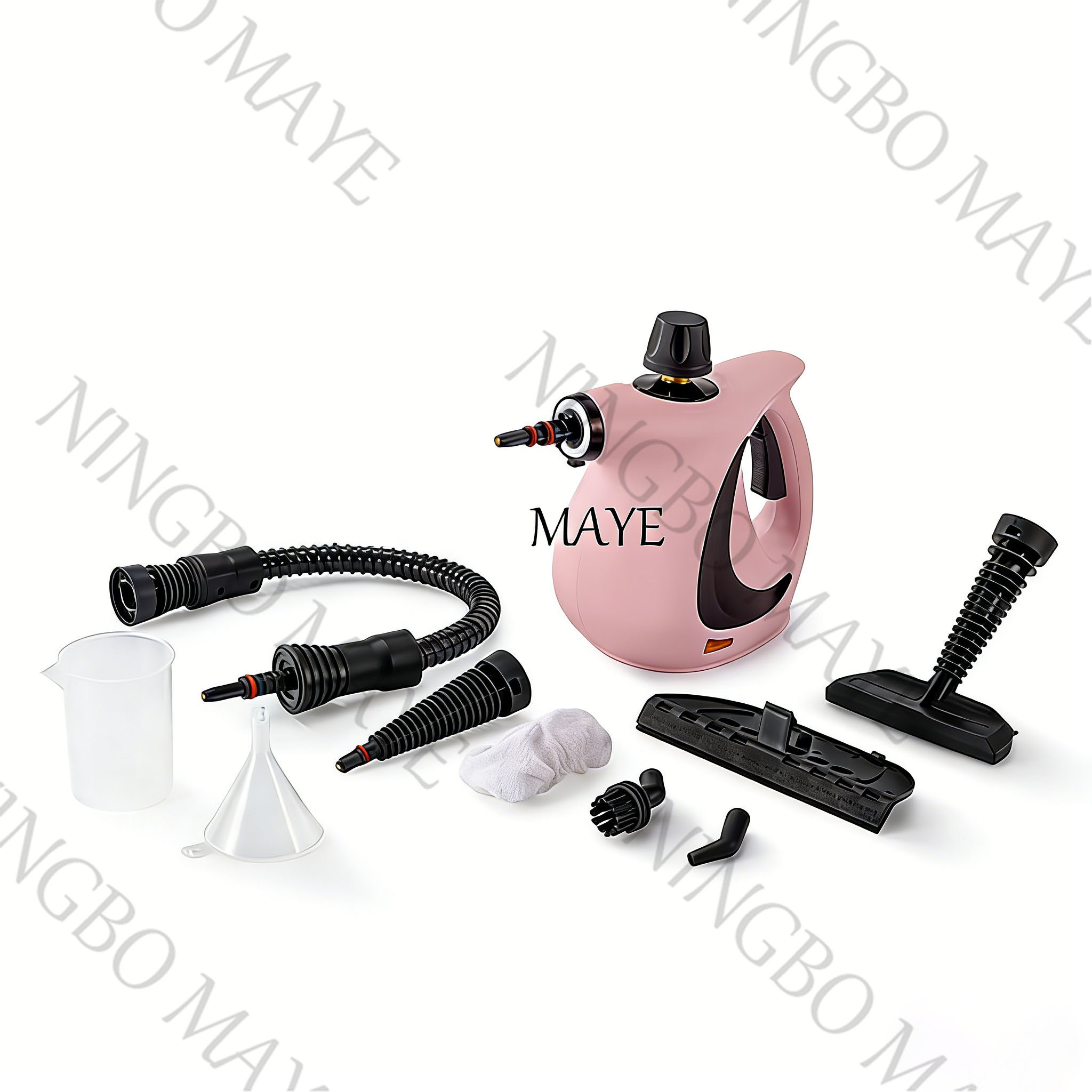
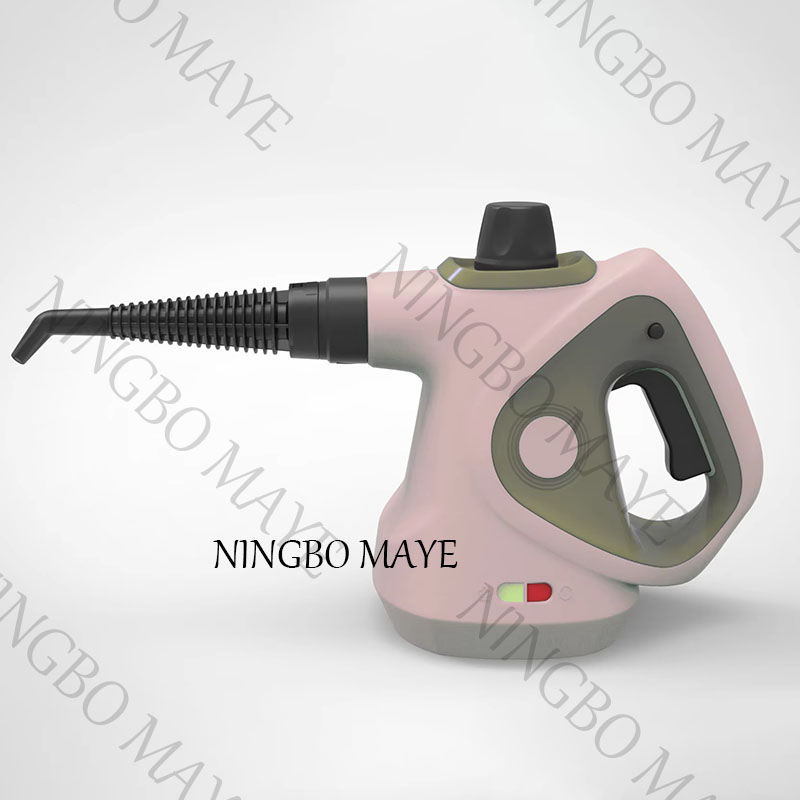
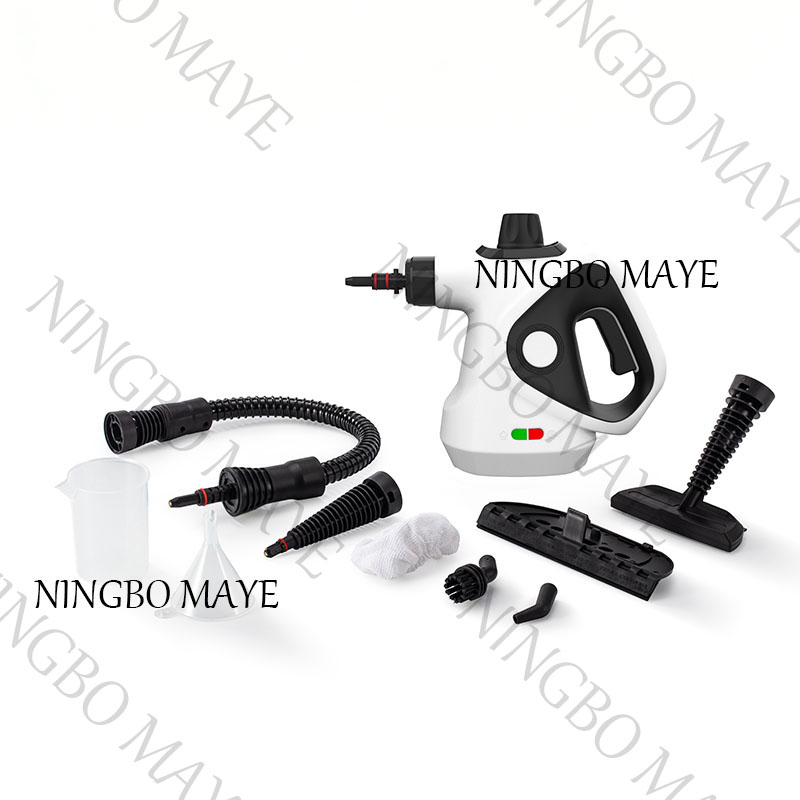
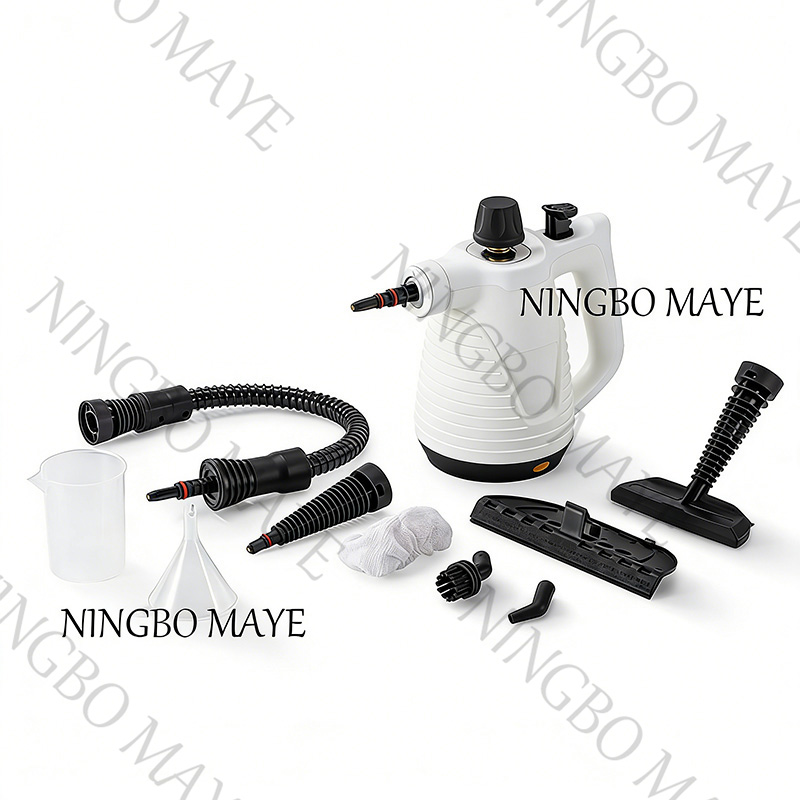
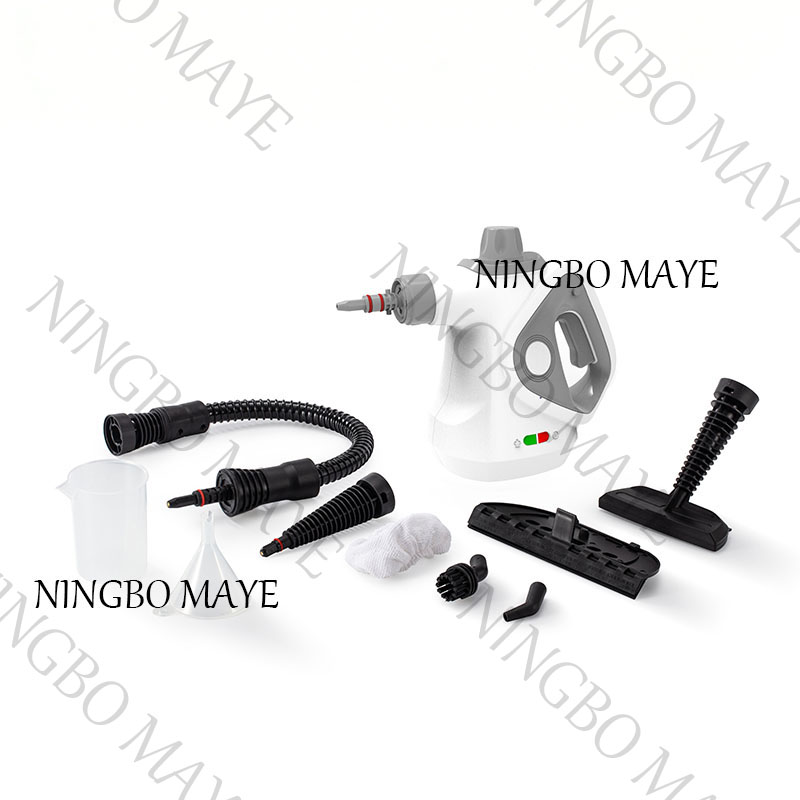
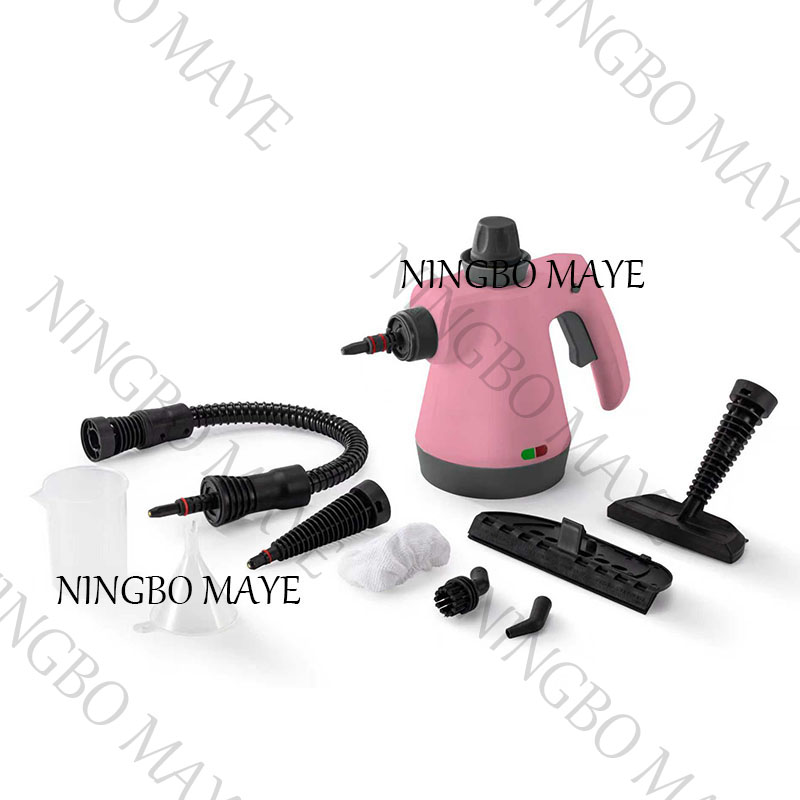
The rise of eco friendly maintenance has positioned the All In One Multi-Surface Steam Cleaner as a cornerstone of the modern household cleaning arsenal. By utilizing the physical power of vaporized water, these machines offer a chemical free method to sanitize, deodorize, and deep clean an impressive array of surfaces. However, the very attributes that make steam so effective, which are high thermal energy and concentrated moisture, also make it a potential threat to certain materials. While the versatility of an All In One Multi-Surface Steam Cleaner is vast, understanding the specific environments and objects that are incompatible with steam is essential for preventing permanent damage to expensive household assets. This guide provides a detailed technical examination of the surfaces and materials that should never be subjected to high temperature steam.
To understand why certain surfaces are unsuitable for steam cleaning, one must first consider the physics of the process. An All In One Multi-Surface Steam Cleaner works by heating water to a state of dry pressurized vapor. When this vapor contacts a surface, it rapidly transfers its thermal energy to the dirt and the underlying substrate. For many materials, this heat is beneficial for breaking molecular bonds. However, for materials with high thermal expansion coefficients or low moisture resistance, this sudden influx of energy can be catastrophic.
Thermal shock is a primary concern. When a very hot substance touches a relatively cool surface, the localized expansion can lead to stress fractures or warping. Furthermore, the pressurized nature of the steam allows moisture to penetrate deep into microscopic pores or seams that traditional liquid cleaning would never reach. If these pores belong to a material that absorbs water or is held together by water soluble adhesives, the structural integrity of the object will be compromised. Therefore, the decision to use an All In One Multi-Surface Steam Cleaner must always be preceded by an assessment of the material’s thermal and hygroscopic properties.
Wood is an organic material composed primarily of cellulose fibers held together by lignin. These fibers are naturally hygroscopic, meaning they readily absorb and release moisture from the environment. When an All In One Multi-Surface Steam Cleaner is used on unsealed or poorly finished wood, the high pressure steam forces water molecules deep into the grain.
Once the moisture enters the cellular structure of the wood, the fibers begin to swell. Because the application of steam is rarely perfectly uniform across the entire surface, different areas of the wood expand at different rates. This differential expansion leads to warping, cupping, and twisting. Even if the wood appears to dry out later, the structural fibers may have been permanently stretched or displaced, leaving the floor or furniture item with a distorted profile. For high end hardwood flooring, this damage is often irreparable and requires the complete replacement of the affected planks.
Engineered wood products, such as laminate flooring, particle board, and plywood, are particularly susceptible to steam damage. These products are manufactured using layers of wood or wood particles bonded together with various glues and resins. Many of these adhesives are sensitive to heat and moisture. The concentrated heat from an All In One Multi-Surface Steam Cleaner can soften the glue, while the moisture causes the wood layers to delaminate or peel apart. In laminate flooring, the steam often penetrates the seams between planks, causing the edges to swell and rise, which is a condition commonly referred to as peaking. Because laminate is essentially a photographic layer over a composite core, once the edges are damaged by steam, the floor cannot be sanded or refinished.
While glass and ceramic are generally considered durable and non porous, they are highly sensitive to rapid changes in temperature. This physical vulnerability makes them a high risk category when using an All In One Multi-Surface Steam Cleaner, particularly during the colder months of the year.
Windows are often a target for steam cleaning because the vapor effectively melts away grease and environmental film. However, if the outdoor temperature is low, the glass pane will be significantly colder than the indoor air. Applying a concentrated jet of steam, which often exceeds one hundred degrees Celsius, directly to the center of a cold glass pane creates an extreme temperature gradient. The area touched by the steam expands rapidly while the edges of the pane remain contracted within the cold window frame. This internal tension can cause the glass to shatter instantly. If steam must be used on glass, the operator should preheat the entire surface by holding the steam nozzle several inches away and moving it in wide, sweeping motions to gradually raise the temperature before moving closer for deep cleaning.
Modern ceramic tiles are typically fired at very high temperatures and can withstand steam without issue. However, antique ceramics, hand painted tiles, and certain types of porous unglazed pottery are different. Many older ceramic items feature a glaze that has developed microscopic cracks over time, a condition known as crazing. The high pressure from an All In One Multi-Surface Steam Cleaner can force moisture into these tiny cracks, where it may expand and cause the glaze to flake off or the underlying clay body to crumble. Furthermore, hand painted details that are not protected by a hard fired glaze can be stripped away by the thermal energy of the steam.
The upholstery attachment of an All In One Multi-Surface Steam Cleaner is excellent for durable synthetic fabrics and heavy cottons, but it can be devastating for delicate fibers. Textiles that are labeled as dry clean only are usually listed that way for a specific reason, often related to their reaction to heat or water.
Silk is a protein fiber that is highly sensitive to high temperatures. Exposure to steam can cause silk to lose its natural luster, develop permanent water spots, or even shrink and distort. Similarly, velvet and other high pile fabrics are easily damaged by steam. The heat can cause the delicate pile to collapse or mat down, destroying the soft texture and visual depth of the fabric. Once the pile of a velvet sofa has been crushed by improper steam application, it is nearly impossible to restore it to its original luxurious state.
Many modern garments and pieces of furniture use heat activated adhesives rather than traditional stitching. This is common in the hems of trousers, the internal structure of tailored jackets, and the backing of certain types of upholstery fabric. The intense heat from an All In One Multi-Surface Steam Cleaner can reactivate these glues, causing hems to fall down, interlinings to become detached and lumpy, or the fabric backing to separate from the foam cushioning. This type of damage is often hidden until the item is moved or worn, at which point the loss of structural integrity becomes apparent.
It might seem obvious to avoid using an All In One Multi-Surface Steam Cleaner on electronic devices, but users often attempt to use steam to clean the areas surrounding tech, such as keyboards, remote controls, or the vents of a computer case. This is a dangerous practice that can lead to immediate hardware failure.
Steam is a gas that can penetrate even the smallest openings in an electronic enclosure. Once inside, the steam cools and reverts to liquid water, forming condensation on sensitive circuit boards and connectors. Because water is a conductor, this condensation can cause short circuits the next time the device is powered on. Furthermore, the moisture can trigger the internal liquid contact indicators found in most modern electronics, which will void the manufacturer's warranty even if the device appears to be functioning normally.
In addition to the moisture risk, the movement of high pressure steam through a plastic nozzle can generate static electricity. A discharge of static electricity into a sensitive microprocessor can be enough to destroy the component. Additionally, the heat from the steam can warp the plastic housings of electronic devices or damage the liquid crystal displays found on tablets and monitors. The thin layers of a modern screen are bonded with optical adhesives that can bubble or delaminate when exposed to temperatures as high as those produced by an All In One Multi-Surface Steam Cleaner.
The impact of steam on walls depends entirely on the type of finish applied. While some industrial paints are incredibly resilient, most residential wall treatments are not designed to withstand the focused application of high temperature vapor.
Steam is the primary tool used for the professional removal of wallpaper because it is so effective at melting the paste behind the paper. Consequently, an All In One Multi-Surface Steam Cleaner should never be used to clean wallpaper that you intend to keep. Even a quick pass with the steam nozzle can soften the adhesive enough to cause the seams to peel or the paper to bubble. For older wallpaper, the steam can also cause the dyes in the paper to bleed or run, resulting in permanent streaks and stains.
Most modern interior walls are finished with water based latex or acrylic paints. While these paints are washable to a certain extent, they are not impervious to steam. The heat can cause the paint film to soften and lose its bond with the primer or the drywall underneath. If the steam is held in one spot for too long, the paint can actually blister and peel away. Furthermore, steam cleaning can change the sheen of the paint, leaving behind dull patches or shiny streaks that are visible when light hits the wall at an angle. For high gloss or semi gloss finishes, the thermal energy can permanently alter the surface texture, requiring the entire wall to be repainted.
The world of plastics is vast, and while some polymers like polypropylene are relatively heat resistant, many others are not. Using an All In One Multi-Surface Steam Cleaner on the wrong type of plastic can result in immediate deformation.
Items such as storage bins, certain types of toys, and thin plastic trim in vehicles are often made from low density polyethylene or similar materials with low melting points. The heat from the steam can cause these items to warp, shrink, or lose their structural rigidity. In some cases, the plastic might not melt completely but will become cloudy or brittle as the heat alters the molecular structure of the polymer. This is especially problematic for clear plastic items, which can become permanently opaque after even a brief exposure to high temperature steam.
Some plastics contain chemical additives such as plasticizers that can be released when the material is heated. Using an All In One Multi-Surface Steam Cleaner on certain types of soft vinyl or older plastics can cause these chemicals to leach to the surface, creating a sticky residue that is difficult to remove. In a confined space, the heating of these plastics can also release unpleasant or potentially harmful odors. It is always safer to use lukewarm water and a mild detergent for plastic items that are not explicitly labeled as heat resistant.
Modern manufacturing relies heavily on sophisticated bonding agents to create composite materials. These bonds are often the weakest link when it comes to the thermal resistance of an object.
Many pieces of modern furniture consist of a particle board core covered with a thin veneer of real wood or plastic. The edge banding that covers the exposed sides of these panels is almost always applied using a heat activated glue. An All In One Multi-Surface Steam Cleaner can easily reach the temperature required to melt this glue. Once the adhesive is softened, the edge banding will begin to curl away from the furniture, and the thin surface veneer can lift and bubble. This damage is notoriously difficult to repair because the moisture that entered the core material often causes the particle board to swell at the same time the glue is failing.
Musical instruments such as violins, acoustic guitars, and pianos are held together by specialized glues, such as hide glue, which are designed to be reversible with heat and moisture. This allows luthiers to take the instruments apart for repairs. Using an All In One Multi-Surface Steam Cleaner near a fine wooden instrument can cause the joints to fail and the soundboard to warp, effectively destroying the instrument's acoustic properties and structural stability. Any item that is characterized by fine craftsmanship and traditional joinery should be kept far away from pressurized steam.
The following table provides a qualitative overview of surface compatibility with an All In One Multi-Surface Steam Cleaner to help guide safe cleaning decisions.
|
Surface Category |
Steam Compatibility |
Primary Risk Factor |
Recommended Alternative |
|---|---|---|---|
|
Sealed Tile and Grout |
Excellent |
None under normal use |
None, steam is ideal |
|
Stainless Steel and Chrome |
High |
None |
Microfiber cloth for polishing |
|
Unsealed Hardwood |
Extremely Low |
Fiber swelling and warping |
Damp microfiber and wood cleaner |
|
Cold Window Glass |
Low to Moderate |
Thermal shock and cracking |
Squeegee and warm soapy water |
|
Laminate Flooring |
Low |
Joint peaking and delamination |
Static mop or specialized laminate spray |
|
Silk and Velvet |
Extremely Low |
Pile crushing and fiber damage |
Professional dry cleaning |
|
Electronics |
Zero |
Short circuits and corrosion |
Isopropyl alcohol and compressed air |
|
Latex Wall Paint |
Moderate to Low |
Blistering and sheen changes |
Damp sponge and mild detergent |
This table serves as a quick reference guide, but it is not a substitute for checking manufacturer instructions or performing a spot test.
Given the power of an All In One Multi-Surface Steam Cleaner, the most important step in the cleaning process is the preliminary spot test. Even if a material seems like it should be compatible, the specific finish, age, or quality of the item can lead to unexpected results.
A spot test should always be performed on an inconspicuous area of the object, such as the underside of a chair, the back corner of a floor, or the inside of a garment hem. The operator should apply the steam for the same duration and at the same distance they intend to use for the rest of the project. After applying the steam, the area must be allowed to dry completely. Only after the material has returned to its normal temperature and moisture level can the results be accurately assessed. If there is any sign of color bleeding, texture changes, warping, or loss of adhesion, the All In One Multi-Surface Steam Cleaner should not be used on that item.
The intensity of the steam can be controlled by adjusting the distance between the nozzle and the surface. For more delicate surfaces that are on the borderline of compatibility, increasing the distance allows the steam to cool slightly and disperse before it makes contact. Many All In One Multi-Surface Steam Cleaner models also feature adjustable steam settings. Using the lowest possible steam setting combined with a protective microfiber cover over the cleaning head can significantly reduce the risk of thermal damage while still providing effective sanitization.
By respecting these boundaries and understanding the technical limitations of the technology, users can maximize the benefits of their All In One Multi-Surface Steam Cleaner while ensuring the safety and longevity of their home and possessions. Steam is a powerful tool, but like any tool, its effectiveness is defined by the skill and knowledge of the person operating it. Through careful material assessment and responsible usage, the steam cleaner remains an invaluable asset for maintaining a clean and healthy living environment.
Related Products

Address
East Zone Development Zone Lingshan Town Yuyao City Zhejiang P.R.C.
Tel
+86-18905840666 / +86-574-62067822
+86-15905848828
QR CODE
 Wholesale Multifunctional Steam Cleaner Manufacturers

 English
 Español