2026-05-28
The pursuit of a hygienic and efficient home environment has led many homeowners to evaluate the role of the Household Steam Cleaner within their maintenance routines. As modern living spaces become more complex with a variety of synthetic and natural materials, the methods used to sanitize these areas must evolve beyond simple chemical applications and physical scrubbing. Steam cleaning represents a significant shift in domestic maintenance, prioritizing the use of thermal energy over abrasive detergents. To determine if these devices are truly beneficial for household use, one must examine the intersection of physics, microbiology, and material science that defines their operation. This exploration goes beyond surface level aesthetics to understand how vaporized water interacts with different environments to produce a deeper level of cleanliness.
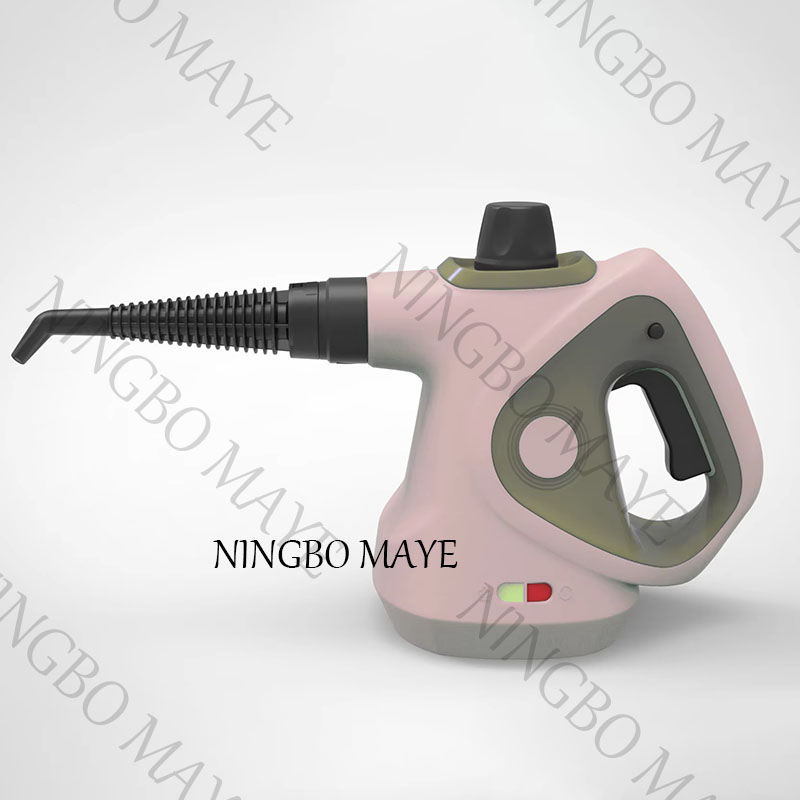
To answer whether these tools are effective, it is necessary to understand the mechanics of the Household Steam Cleaner. At its core, the device utilizes a pressurized boiler to heat water well beyond the atmospheric boiling point. When this water is released through a nozzle, it exists as a dry vapor with very low moisture content. This state is critical because it allows the heat to penetrate microscopic pores in a surface without saturating the material with liquid water. The thermal energy contained within the steam works by exciting the molecules of dirt, grease, and biological contaminants. This molecular agitation breaks the bonds that hold grime to a surface, allowing it to be easily wiped away. Unlike traditional mopping, which often involves spreading a layer of diluted dirt across a floor, steam cleaning lifts the debris so it can be trapped by a microfiber attachment or vacuumed up.
The pressure aspect of the Household Steam Cleaner is equally important. High pressure allows the steam to travel into crevices that are physically inaccessible to brushes or cloths. In environments like grout lines or the intricate tracks of sliding doors, the pressurized vapor acts as a mechanical force that dislodges embedded particles. This dual action of heat and pressure provides a cleaning efficacy that is difficult to replicate with manual labor alone. Furthermore, because the vapor is composed of such small droplets, it dries almost instantly upon contact with the air. This rapid evaporation is a significant advantage for maintaining the structural integrity of various household surfaces while reducing the risk of mold growth associated with lingering dampness.
One of the most compelling arguments for using a Household Steam Cleaner is its ability to neutralize biological threats without the use of toxic chemicals. Household surfaces are often breeding grounds for bacteria, viruses, and allergens that can affect the health of the residents. Traditional disinfectants require a specific contact time to be effective, often several minutes, during which the surface must remain wet. In contrast, the high temperature of steam provides an immediate lethal effect on most common pathogens. When the Household Steam Cleaner reaches temperatures above one hundred degrees Celsius, it causes the proteins in bacterial cell walls to denature and the lipid envelopes of many viruses to dissolve.
Dust mites and bed bugs are also highly sensitive to the thermal energy provided by a Household Steam Cleaner. These pests often reside deep within mattress fibers and upholstery where liquid pesticides may not reach effectively. The penetrating power of steam allows the heat to reach these hidden layers, effectively terminating the life cycle of these organisms at all stages including eggs. This makes steam cleaning an essential tool for allergy management, as it removes the triggers for respiratory distress without introducing new irritants in the form of chemical residues. By maintaining a regular schedule with a Household Steam Cleaner, a household can significantly reduce the overall microbial load on high touch surfaces like doorknobs, countertops, and bathroom fixtures.
The utility of a Household Steam Cleaner is often measured by its adaptability to different rooms and materials. In the kitchen, where grease and food residues are prevalent, the steam acts as a powerful degreaser. Baked on grime on stovetops or the interior of ovens can be melted away, a process that usually requires caustic chemicals and heavy scrubbing. The ability to sanitize food preparation areas with nothing but water ensures that there is no risk of chemical contamination of the meals served in the home. This level of hygiene is particularly important in households with small children or pets who may come into direct contact with floor surfaces.
Moving to the bathroom, the Household Steam Cleaner addresses some of the most difficult maintenance challenges such as soap scum and mineral deposits. The thermal energy softens the hard layers of calcium and soap that accumulate on shower glass and tiles. When used on plumbing fixtures, the steam can reach the areas around the base of faucets and drains where mold and bacteria tend to thrive. The result is a level of cleanliness that not only looks professional but also smells fresher because the sources of odor are removed rather than masked by fragrances. The efficiency of the Household Steam Cleaner in these high humidity environments helps to prevent the long term buildup of grime that can eventually lead to permanent staining or the need for expensive renovations.
Textile care is another area where the Household Steam Cleaner demonstrates significant value. Sofas, curtains, and decorative rugs are often overlooked during routine cleaning because they are difficult to wash. Over time, these fabrics absorb odors, dust, and oils from human skin. A Household Steam Cleaner equipped with an upholstery attachment can refresh these items by drawing the steam through the fibers. This process releases trapped odors and lifts deep seated dust to the surface. The heat also helps to relax the fibers, which can remove wrinkles from curtains or restore the pile of a matted carpet.
It is important to note that the Household Steam Cleaner provides a form of maintenance that is gentler on many fabrics than traditional dry cleaning or wet extraction. Because the steam is dry, it does not leave behind the soapy residues that can actually attract more dirt over time. However, the user must always verify the heat sensitivity of the textile before proceeding. For durable synthetic blends and heavy cottons, steam is highly effective. The process not only cleans but also deodorizes, leaving the living room environment feeling much healthier. For households with pets, the ability to quickly steam clean a pet bed or a favorite lounging spot on the rug is an invaluable asset in managing dander and pet odors.
The decision to integrate a Household Steam Cleaner into a home is often motivated by a desire to reduce the chemical footprint of the household. Commercial cleaning products frequently contain volatile organic compounds and artificial fragrances that can linger in the indoor air for hours or even days. These substances can be problematic for individuals with asthma, chemical sensitivities, or skin conditions. By switching to a Household Steam Cleaner, the primary cleaning agent becomes water, which is completely non toxic and leaves no residue. This transition significantly improves the indoor air quality of the home, creating a safer environment for all occupants.
Furthermore, the environmental impact of traditional cleaning cannot be ignored. The production, packaging, and disposal of plastic cleaning bottles contribute to global waste streams. Additionally, the chemicals washed down the drain during traditional mopping can eventually enter local water systems, affecting aquatic ecosystems. Using a Household Steam Cleaner eliminates the need for these recurring purchases, leading to a more sustainable lifestyle. The energy used to heat the water is a small trade off for the massive reduction in chemical waste and plastic consumption. This approach aligns with the growing trend of eco friendly home maintenance, where the focus is on long term health and environmental responsibility.
While the Household Steam Cleaner is highly versatile, it is not a universal solution for every surface in the home. The high temperature and moisture, however minimal, can be detrimental to certain materials. Wood is perhaps the most significant example. Natural timber is a hygroscopic material, meaning it naturally absorbs moisture. When steam is applied to unsealed or poorly finished wood floors, the pressurized vapor can enter the grain and cause the wood fibers to swell. This leads to warping, cupping, and a loss of structural integrity. Therefore, the use of a Household Steam Cleaner on wood must be limited to surfaces that are perfectly sealed and maintained, and even then, the exposure must be brief.
Laminate flooring and engineered wood products are also sensitive to steam. These materials are often constructed with layers held together by adhesives that can soften when exposed to high heat. Steam can penetrate the seams between laminate planks, causing the edges to swell and rise, a condition that is usually permanent and requires floor replacement. Similarly, cold glass presents a risk of thermal shock. Applying a hot jet of steam to a cold window pane in winter can cause the glass to crack instantly due to the rapid localized expansion. For these reasons, the effectiveness of a Household Steam Cleaner is dependent on the knowledge and care of the operator. A successful cleaning strategy involves assessing each material before beginning the process.
The following table provides a comparison of how the Household Steam Cleaner performs relative to other common cleaning methods used in modern homes.
|
Feature Category |
Traditional Mop and Bucket |
Chemical Spray and Cloth |
Household Steam Cleaner |
|---|---|---|---|
|
Cleaning Agent |
Detergent and Water |
Specialized Chemicals |
High Temperature Water Vapor |
|
Sanitization Method |
Chemical Disinfection |
Chemical Disinfection |
Thermal Neutralization |
|
Drying Time |
Slow and Often Streaky |
Moderate |
Very Fast and Streak Free |
|
Deep Pore Penetration |
Low |
Low to Moderate |
High via Pressure and Vapor |
|
Residue Level |
High Soapy Residue |
Variable Chemical Film |
Zero Residue |
|
Environmental Impact |
High Water and Chemical Waste |
High Plastic and Chemical Waste |
Minimal Waste and Sustainable |
[Image of a person using a Household Steam Cleaner on kitchen tiles]
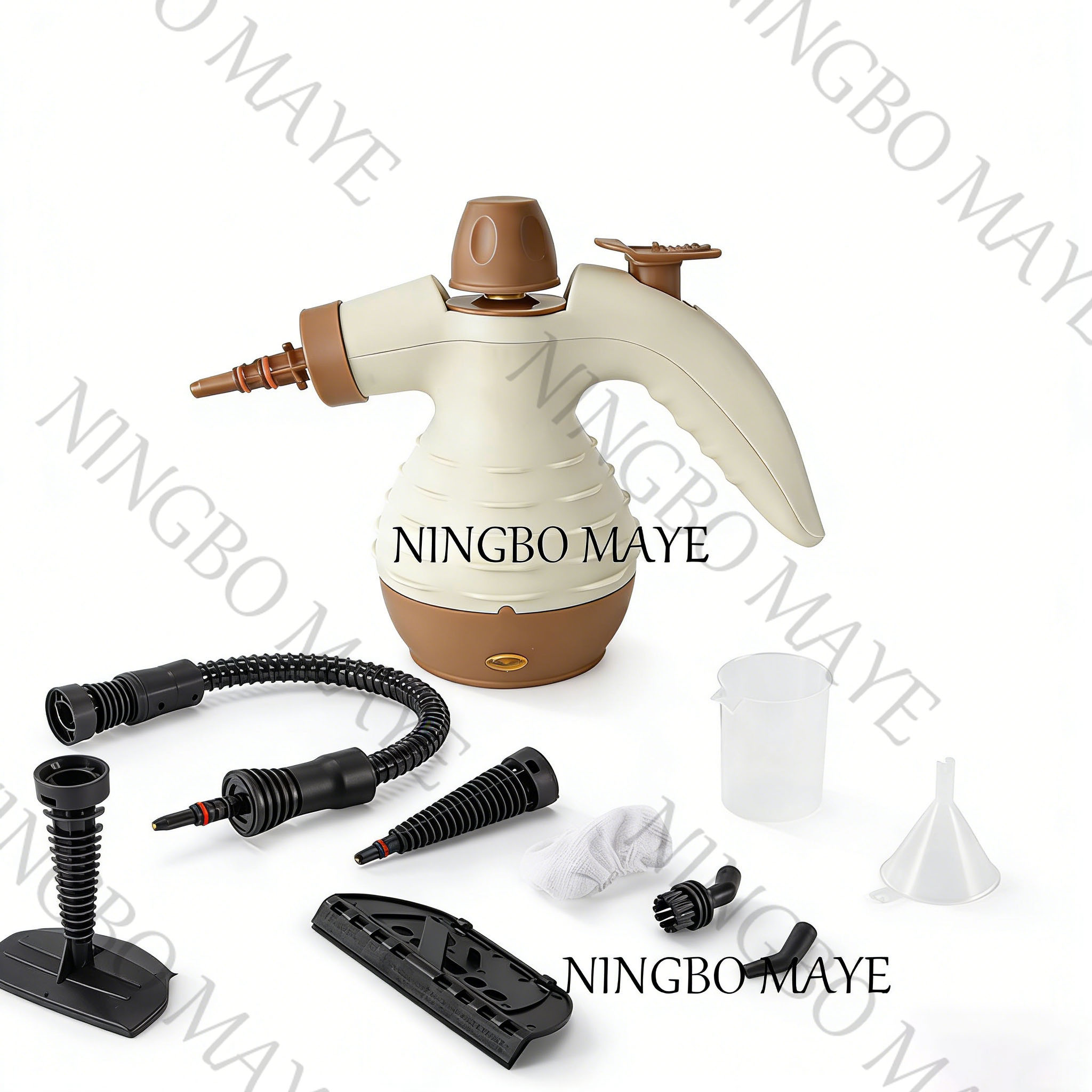
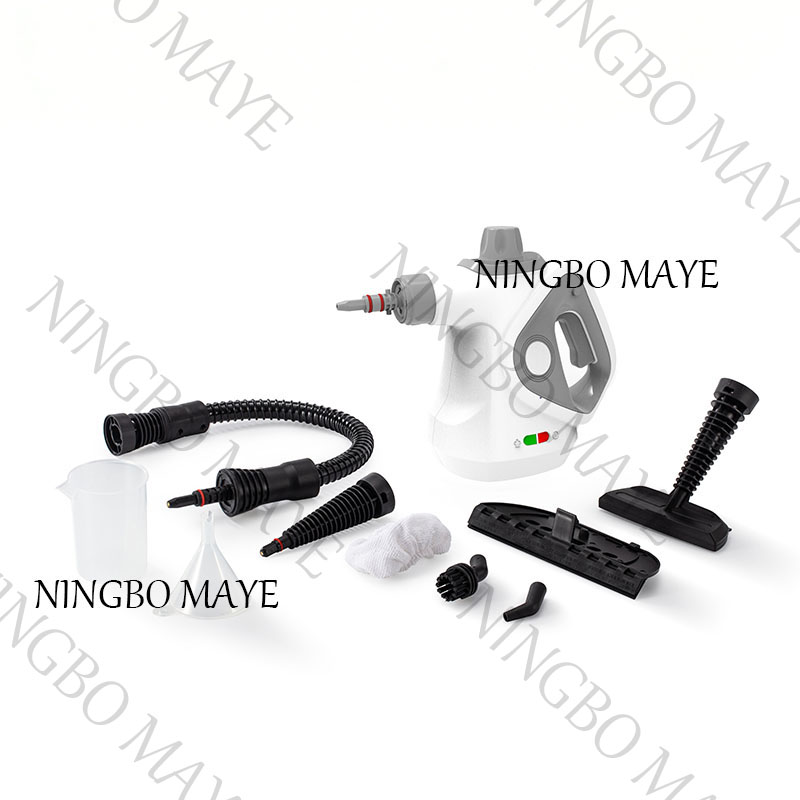
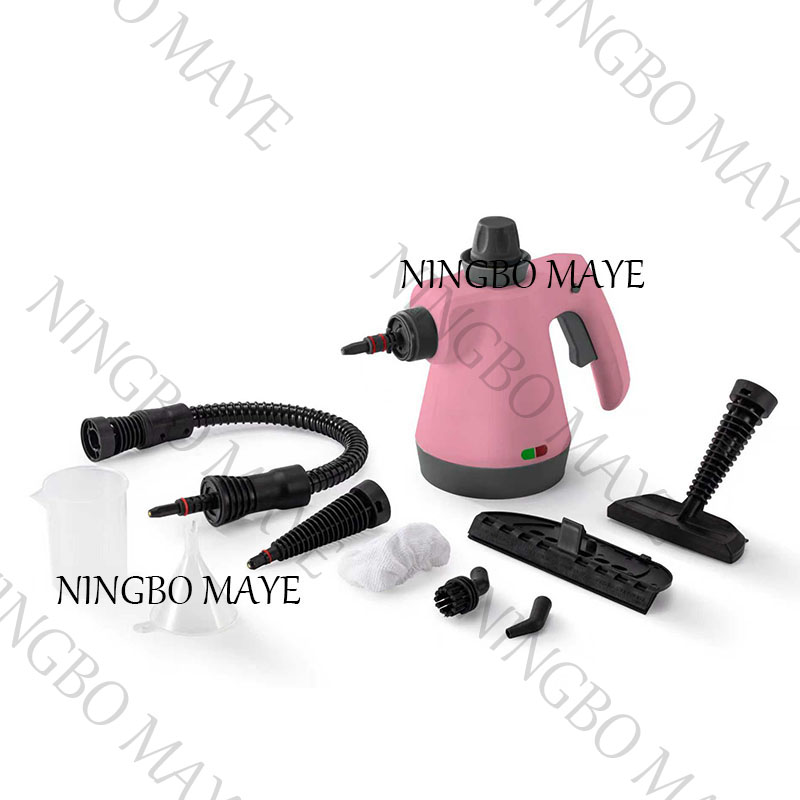
The ergonomics and attachment systems of a modern Household Steam Cleaner allow for a level of precision that traditional tools cannot match. Most units come with a variety of nozzles, including small detail brushes and angled tips. These accessories are specifically designed to tackle the grime that accumulates in the small gaps of the home. For example, the tracks of windows and sliding doors often fill with dust and environmental debris that is difficult to wipe away. A focused jet of steam from a Household Steam Cleaner can blast this debris out of the corners, making the tracks operate smoothly again.
In the laundry room and mudroom, the Household Steam Cleaner is excellent for sanitizing areas that are prone to mold, such as the rubber seals of front loading washing machines. The heat kills the mold spores that cause odors and prevents them from transferring to the clothing. Similarly, the soles of shoes and the interior of athletic gear can be refreshed and sanitized, reducing the spread of bacteria brought in from the outdoors. This ability to clean the small, often neglected areas of a home contributes to a higher overall standard of hygiene and prevents the slow accumulation of grime that can make a home feel neglected over time.
Using a Household Steam Cleaner effectively requires attention to safety protocols to prevent injury and damage. Because the steam is released at high temperatures, there is a risk of thermal burns if the device is handled improperly. Modern machines are equipped with safety triggers and locking mechanisms to prevent accidental discharge, but the user must remain vigilant. It is also important to allow the machine to cool down completely before refilling the water tank or changing attachments, as the internal pressure can remain high even after the power is turned off.
Maintenance of the Household Steam Cleaner itself is relatively simple but essential for longevity. The primary issue affecting performance is the buildup of mineral deposits, especially in regions with hard water. Over time, calcium and magnesium can clog the boiler and the steam nozzles, reducing the pressure and efficiency of the machine. Using distilled or demineralized water is the most effective way to prevent this buildup. If tap water is used, periodic descaling with a solution recommended by the manufacturer is necessary to keep the internal passages clear. Additionally, the microfiber pads used with the machine should be washed regularly to ensure they can continue to trap dirt effectively. By following these basic care steps, a Household Steam Cleaner can remain a reliable part of the household toolkit for many years.
To ensure the best results when using a Household Steam Cleaner, a systematic approach to the cleaning process is beneficial. Before applying steam to any large surface, a spot test on an inconspicuous area is mandatory. This allows the user to observe how the material reacts to the heat and moisture. For example, on a painted wall, a spot test can reveal if the steam will cause the paint to blister or if the finish will change from matte to shiny. Only once the test area has dried and been inspected should the full cleaning proceed.
Another important step is to remove loose debris before steaming. While the Household Steam Cleaner is excellent for breaking down stuck on grime, it is not a substitute for a vacuum cleaner or a broom. Dust and hair should be removed first to prevent the steam from turning them into a damp mess that is harder to clean. Once the surface is clear of loose particles, the steam can work directly on the embedded dirt. By moving the steam head slowly and consistently across the surface, the heat has enough time to penetrate and sanitize effectively. This methodical approach ensures that the power of the Household Steam Cleaner is maximized while the risk to the home environment is minimized.
[Image of various Household Steam Cleaner attachments arranged on a floor]
The relationship between cleaning methods and respiratory health is increasingly recognized by medical professionals. Traditional cleaning often involves aerosols that can irritate the lungs and contribute to chronic conditions. Because the Household Steam Cleaner uses only water, it eliminates these airborne irritants. Furthermore, the high temperature of the steam is effective at neutralizing airborne allergens that have settled on surfaces. Dust mite feces, pet dander, and pollen are all rendered inactive by the heat, preventing them from being kicked back into the air during the cleaning process.
For households where residents suffer from allergies or asthma, the Household Steam Cleaner provides a level of relief that is difficult to achieve with other methods. The steam helps to maintain a low allergen environment, which can lead to better sleep and fewer respiratory flare ups. This health benefit is one of the primary reasons why steam cleaning has transitioned from a specialized industrial process to a mainstream household practice. The peace of mind that comes from knowing the home is truly sanitized, without the trade off of inhaling harsh chemical fumes, makes the Household Steam Cleaner a valuable investment for health conscious families.
Integrating a Household Steam Cleaner into a regular routine does not mean abandoning all other tools, but rather using steam where it is most effective. A balanced strategy involves using the steam cleaner for deep cleaning tasks and high hygiene areas while relying on simpler methods for daily maintenance. For instance, a quick daily wipe down of kitchen counters might still be done with a damp cloth, while a Household Steam Cleaner is used once a week to sanitize the sink, the stovetop, and the floors. This approach ensures that the home remains consistently clean without making the maintenance routine overly burdensome.
By understanding the strengths and limitations of the Household Steam Cleaner, homeowners can make an informed decision about its role in their lives. The device offers a unique combination of sanitization power, surface versatility, and environmental safety. When used with care and technical understanding, it provides a superior level of cleanliness that protects both the home and its occupants. The Household Steam Cleaner is not just a tool for removing visible dirt; it is a comprehensive system for maintaining a healthy, hygienic, and sustainable living environment in the modern world.
Related Products

Address
East Zone Development Zone Lingshan Town Yuyao City Zhejiang P.R.C.
Tel
+86-18905840666 / +86-574-62067822
+86-15905848828
QR CODE
 Wholesale Multifunctional Steam Cleaner Manufacturers

 English
 Español