2026-06-04
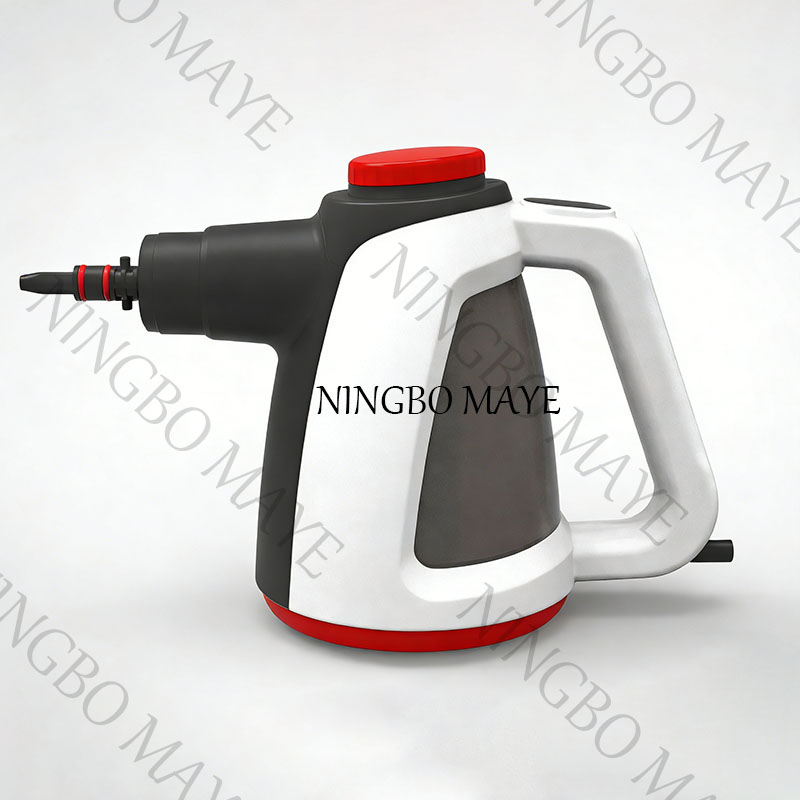
To understand the operational efficiency of an all in one hot sale steam cleaner, it is necessary to analyze the phase transition of water and the subsequent kinetic energy transfer that occurs when pressurized gas contacts a soiled surface.
The conversion of liquid water into steam is a thermodynamic process requiring the addition of latent heat of vaporization. Inside the pressurized boiler of a steam cleaner, water is heated past its atmospheric boiling point of one hundred degrees Celsius. Because the boiler is a sealed pressure vessel, the boiling temperature rises as the internal pressure increases, allowing the liquid water to reach temperatures between one hundred and thirty degrees and one hundred and eighty degrees Celsius.
When this superheated water is released through the control valve, it flashes into steam. High quality machines are calibrated to produce dry vapor steam, which represents a gas state containing less than five percent liquid water droplets. Unlike wet steam, which can saturate carpets and upholstery, dry vapor steam evaporates almost instantaneously upon contact with the atmosphere, preventing the formation of localized puddles and minimizing the risk of mold growth in porous materials. The absence of excess water also ensures that electrical components, sealed tile grout, and hardwood surfaces can be cleaned safely without water damage.
The primary mechanism of steam cleaning is the rapid transfer of heat from the vapor to the contaminant. Dirt, grease, oil, and wax are held to surfaces by complex molecular bonds and surface tension forces that resist standard mechanical scrubbing. When superheated dry vapor strikes these contaminants, it immediately raises their temperature past their melting points.
This rapid thermal transfer liquefies heavy grease and softens dried organic residues, breaking the adhesive bonds that secure them to the substrate. Furthermore, the high kinetic energy of the pressurized steam blast physically blows the loosened particles away from the surface, allowing them to be trapped within an attached microfiber pad or wiped away with a cloth. This process eliminates the need for surfactant chemicals, which often leave behind sticky chemical films that attract fresh dust, thereby keeping surfaces cleaner for longer periods.
The continuous production of high pressure dry vapor under daily operating conditions requires a robust, chemically stable mechanical architecture. Premium appliances are engineered with high grade components designed to manage extreme thermal and pressure stresses.
The boiler is the structural heart of the all in one hot sale steam cleaner, serving as the containment vessel where water is pressurized and superheated. Manufacturers of professional grade systems utilize thick walled boilers fabricated from high tensile stainless steel or cast aluminum alloys. Stainless steel is highly favored because it resists corrosion when exposed to minerals dissolved in tap water, preventing rust formation that could clog internal valves or contaminate the steam stream.
The heating element is positioned either inside the boiler chamber in direct contact with the water or cast into the exterior wall of the boiler. Direct contact elements provide rapid heat transfer and faster initial startup times, but they are highly susceptible to mineral scale accumulation, which can insulate the element and cause premature burnout. Exterior cast elements heat the boiler walls indirectly, which reduces localized scale formation and extends the service life of the heating system, though they require slightly longer preheating cycles to reach operating pressure.
In basic steam cleaning units, the water reservoir and the pressurized boiler are the same chamber. This design requires the operator to shut down the machine, wait for the pressure to dissipate, and allow the boiler to cool down before opening the safety cap to refill the water, leading to significant operational downtime.
To eliminate this inconvenience, advanced steam cleaners utilize a dual tank continuous fill system. This configuration separates the non pressurized water reservoir from the pressurized boiler. A high pressure electromagnetic vibration pump is positioned between the two chambers. As the electronic sensors detect a drop in the water level inside the boiler, the pump automatically transfers a precise volume of water from the external reservoir into the boiler. Because the reservoir is never under pressure, the operator can add water at any point during operation without interrupting the steam flow, ensuring continuous, high volume steam delivery for large scale cleaning projects.
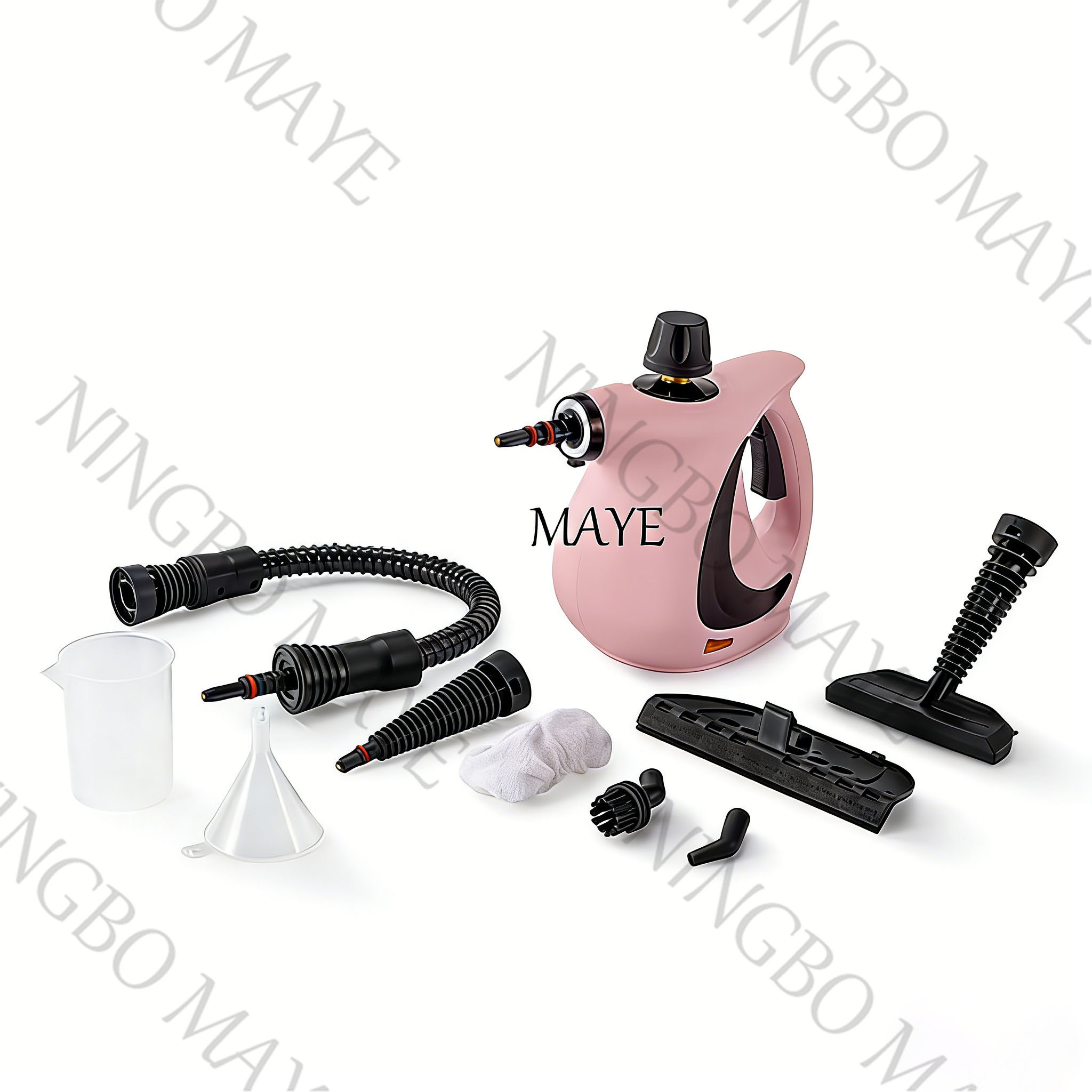
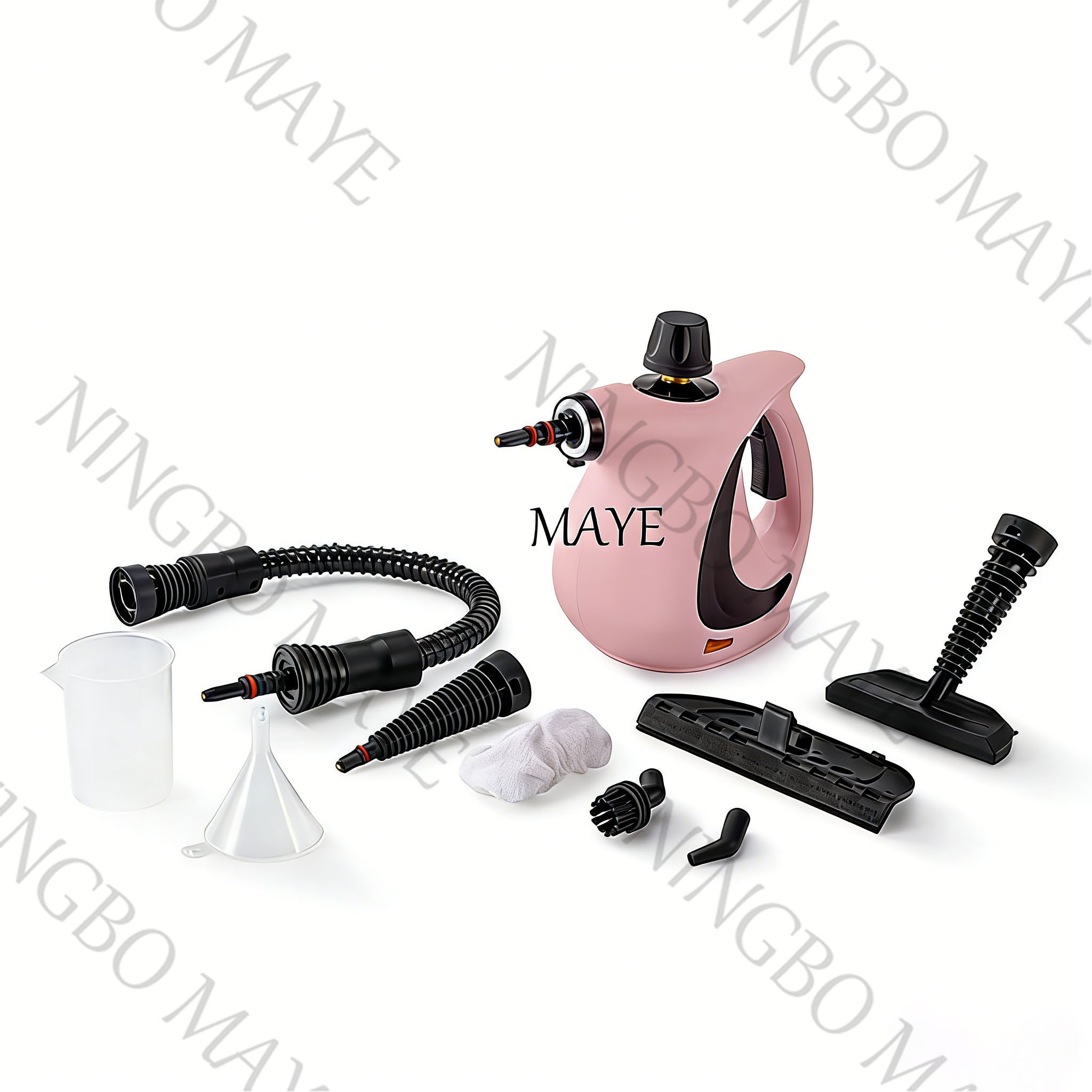
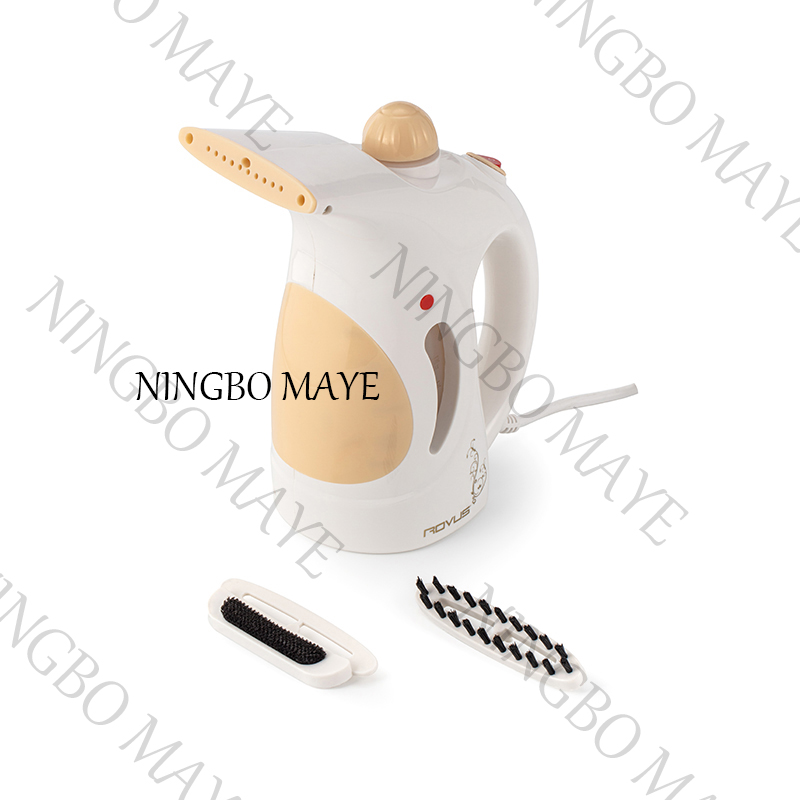
The utility of a multi purpose steam cleaning machine is defined by the variety and engineering quality of its accessory nozzles, brushes, and extension tools. These attachments allow a single base unit to transition seamlessly between diverse flooring materials, delicate upholstery, and complex kitchen fixtures.
Cleaning large surface areas like tiled floors, polished concrete, and sealed hardwood requires a specialized floor nozzle. This tool features a wide rectangular head designed to distribute the steam pressure evenly across its entire width, preventing localized heat concentration that could damage delicate floor sealers.
The bottom of the floor nozzle is designed to secure a thick microfiber pad. As the dry vapor is dispersed through the nozzle, it passes through the microfiber fabric, heating the fibers and releasing a controlled amount of moisture. The heated microfiber acts as a highly effective mechanical scrubber, trapping liquefied grease and suspended dust particles within its dense polyester and polyamide weave. The moisture level is balanced precisely to dissolve dirt without soaking the floor, allowing the surface to dry within seconds of completion.
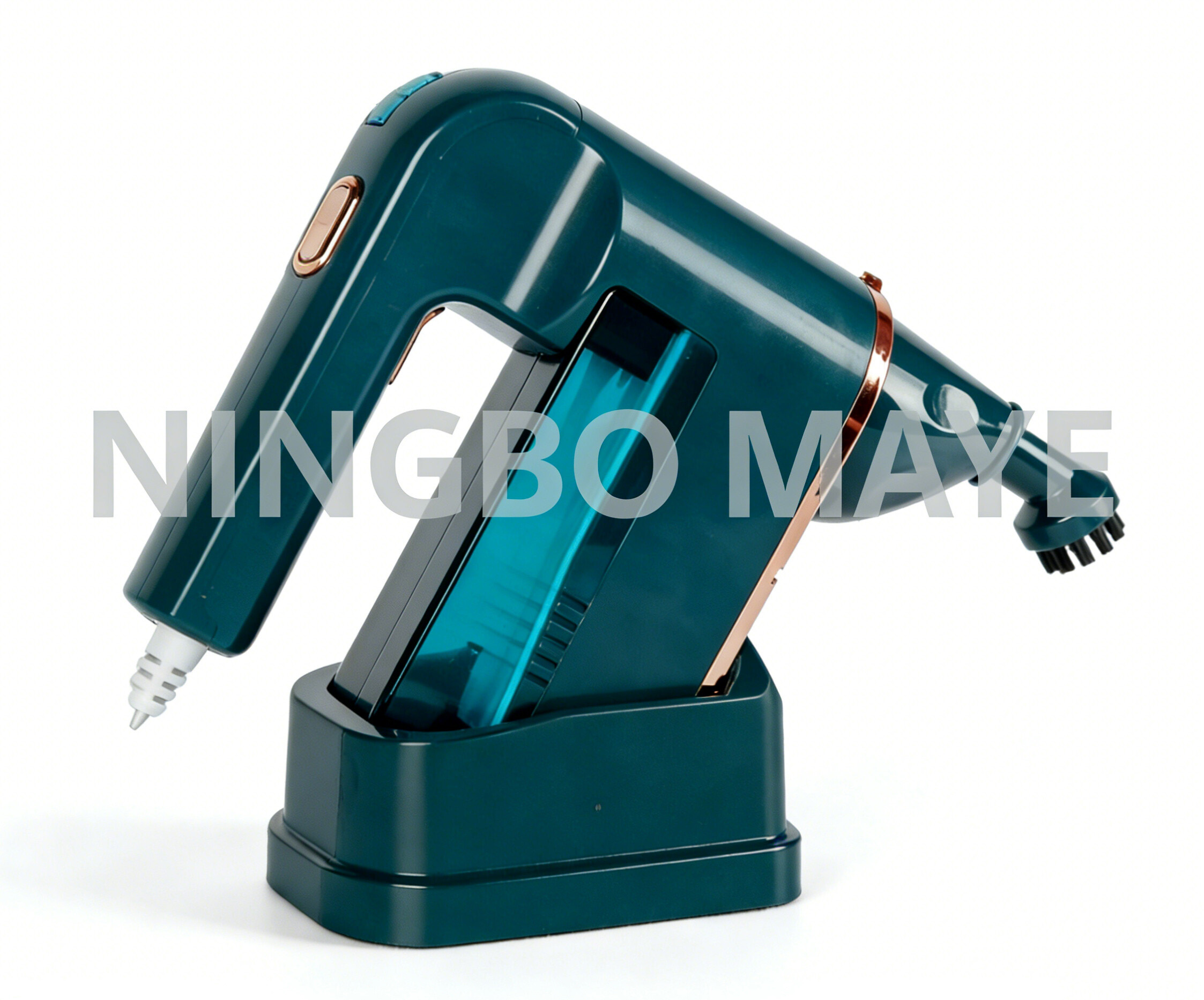
For localized spot cleaning and intricate geometries, small detail brushes are essential. These brushes are manufactured with either nylon bristles for delicate surfaces like grout lines and plastics, or brass bristles for hard metallic substrates such as oven grates, engine components, and spark plug threads. The steam is injected directly through the center of the brush head, allowing the operator to combine aggressive mechanical agitation with intense thermal energy.
Squeegee attachments are engineered for non porous vertical surfaces like windows, glass shower doors, and mirrors. The squeegee nozzle applies a thin, wide strip of steam to loosen soap scum and mineral spots, followed immediately by a rubber blade that wipes the liquid away, leaving a streak-free finish without requiring chemical glass cleaners. For soft furnishings, mattresses, and vehicle interiors, upholstery tools utilize a triangular head paired with a tight-fitting microfiber cloth bonnet to steam, sanitize, and refresh delicate fabrics without over-saturating the underlying foam cushioning.
Beyond its aesthetic cleaning capabilities, an all in one hot sale steam cleaner serves as a powerful biological sanitization tool, capable of neutralizing pathogens and insects without leaving behind chemical residues that can trigger allergies.
Bacteria, viruses, mold spores, and fungi are biological entities that rely on complex protein structures to survive, replicate, and adhere to surfaces. When these microorganisms are exposed to temperatures exceeding one hundred degrees Celsius, the intense thermal energy disrupts the weak hydrogen bonds holding their molecular structures together.
This process, which is scientifically designated as protein denaturation, deactivates the pathogens almost instantaneously. High temperature dry vapor steam is highly effective against common public health hazards such as Escherichia coli, Salmonella enterica, and Staphylococcus aureus, which are frequently responsible for foodborne illnesses in residential kitchens and commercial restaurants. Because the thermal action kills the microorganisms physically rather than chemically, pathogens cannot develop genetic resistance to steam sanitization, making it a highly reliable method for maintaining sterile conditions in veterinary clinics and residential care homes.
In indoor living spaces, dust mites, bedbugs, and fleas represent significant sources of physical discomfort and allergic reactions. Dust mites thrive in mattresses, carpets, and upholstered furniture, where they feed on shed skin cells and produce microscopic waste particles that can trigger severe asthma attacks.
Traditional vacuuming cannot completely eliminate these pests, as dust mites and bedbugs possess tiny claws that allow them to cling tightly to carpet fibers and fabric weave. An all in one hot sale steam cleaner resolves this challenge by penetrating deep into the fabric layers. The high temperature steam instantly kills adult insects, larvae, and eggs on contact, while the moisture dissolves and neutralizes the proteins present in mite feces, relieving allergy symptoms. This thermal treatment is particularly valuable for hotel rooms and residential apartments, providing a chemical free method to eradicate bedbug infestations without requiring expensive chemical fumigation and subsequent room quarantine.
To select the most effective cleaning strategy for a facility, managers and homeowners must compare steam sanitization against traditional chemical and mechanical methods.
|
Cleaning Methodology |
Primary Mechanical Action |
Chemical Residue |
Drying Time Requirements |
Microbial Reduction Efficacy |
Safety and Air Quality Impact |
|---|---|---|---|---|---|
|
Pressurized Dry Vapor Steam |
Thermal denaturation and high kinetic gas blast |
Zero residue left on surface |
Near instantaneous evaporation |
High reduction of bacteria and viruses |
Improves indoor air quality, no toxic fumes |
|
Traditional Wet Mopping |
Dilution and friction scrubbing with water |
High surfactant buildup |
Five to fifteen minutes |
Moderate, risk of cross contamination |
Damp floors create slip hazards and mold risk |
|
Chemical Spray Sanitization |
Chemical poisoning of pathogens |
Active chemical film remains |
Must remain wet for ten minutes |
High, if contact time is maintained |
Volatile organic compounds irritate lungs |
Traditional mopping relies on diluting dirt with water and chemical detergents, which are then spread across the floor. As the water evaporates, the chemical surfactants are left behind, forming a microscopic sticky film. This film acts as a magnet for airborne dust and dirt, causing the floor to become soiled again rapidly. Furthermore, the excess water used in mopping can seep into floor joints, causing laminate and wood to warp, and creating damp crevices where bacteria can multiply.
An all in one hot sale steam cleaner eliminates these drawbacks by utilizing highly regulated moisture. The high temperature of dry vapor ensures that any moisture deposited on the surface evaporates within seconds, preserving the structural integrity of wood and laminate flooring. Because no chemicals are used, there is no sticky residue left behind, allowing the floor to retain its natural clean finish for a significantly longer duration.
When using traditional chemical sprays and cloths to sanitize multiple surfaces, there is a significant risk of cross contamination, where pathogens are transferred from one surface to another by the cleaning pad. Additionally, spraying chemical disinfectants releases volatile organic compounds into the indoor air, which can irritate the eyes, skin, and respiratory systems of occupants, particularly those suffering from chronic asthma or chemical sensitivities.
The steam cleaner mitigates these risks by sanitizing the cleaning pad continuously during operation. The constant flow of superheated steam through the microfiber cloth ensures that any captured bacteria are destroyed immediately within the pad, preventing their transfer to subsequent surfaces. Because the only input is pure water, the process releases no volatile organic compounds or chemical odors, resulting in a fresh, truly sanitary indoor atmosphere that is safe for children, pets, and sensitive individuals.
Specifying the correct steam cleaning unit requires an evaluation of several technical metrics to ensure that the machine delivers sufficient pressure, thermal capacity, and operational duration for the intended cleaning tasks.
The cleaning power of a steam cleaner is directly related to the pressure generated inside its boiler, which is typically measured in bars. One bar of pressure is equivalent to atmospheric pressure at sea level, which is approximately fourteen point seven pounds per square inch.
Residential handheld units typically operate at pressures between two and three bars, providing sufficient force for light bathroom tile and upholstery cleaning. For heavy-duty commercial kitchen degreasing, automotive detailing, and industrial sanitation, a machine rated at six to eight bars of pressure is recommended. This high pressure generates a high-velocity steam jet that can penetrate deep into complex machinery crevices, blow out compacted carbon deposits, and clean large areas rapidly without requiring excessive manual scrubbing.
The wattage of the heating element dictates how quickly the water inside the boiler can be raised to operating temperature and how effectively the machine can maintain steam pressure during continuous use.
Residential steam mops generally feature heating elements rated between twelve hundred and fifteen hundred watts, allowing them to heat up within thirty to ninety seconds. However, these lower wattage machines may experience pressure drops during prolonged use, requiring the operator to pause periodically to allow the boiler to recover. High capacity commercial steam cleaners utilize heavy-duty heating elements rated between two thousand and three thousand watts. These powerful heating systems can maintain a continuous supply of high pressure steam under constant flow conditions, minimizing operational delays and ensuring high productivity on large commercial cleaning contracts.
Because steam cleaners are pressurized thermal appliances, users must adhere to strict safety guidelines and implement regular maintenance routines to prevent personal injuries and guarantee the mechanical longevity of the equipment.
The primary safety hazard associated with steam cleaning is the potential for thermal scalding. Because superheated steam is a gas, it can easily penetrate porous fabrics and causes severe burns if directed toward human skin or pets.
Operators must never direct the steam nozzle toward themselves or others, and they must turn off the power switch and lock the steam trigger before changing attachments. Premium steam cleaners are equipped with integrated safety locks on the trigger handle to prevent accidental activation. Additionally, the boiler cap on non-continuous fill machines incorporates a pressure relief safety valve. This valve is designed to vent excess steam safely if the internal pressure exceeds safe operating limits, and it features a mechanical lock that prevents the cap from being opened while the boiler remains under pressure, eliminating the risk of explosive decompression.
As water is boiled to generate steam, dissolved minerals such as calcium carbonate and magnesium carbonate are left behind, forming a hard, white crystalline deposit known as scale on the boiler walls and the heating element. Over time, this scale acts as an insulating blanket, slowing down heat transfer, increasing energy consumption, and eventually causing the heating element to overheat and fail.
To prevent scale accumulation, operators should utilize demineralized or distilled water, particularly in regions with hard municipal water supplies. If distilled water is unavailable, a systematic chemical descaling procedure must be conducted periodically. The boiler is filled with a mild food-grade acid solution, such as dissolved citric acid or white vinegar, and allowed to sit for several hours to dissolve the mineral scale. The boiler is then flushed thoroughly with clean water to remove all chemical residues and loose scale flakes, restoring optimal thermal efficiency and ensuring the safe, reliable performance of the all in one hot sale steam cleaner over an extended operational lifespan.
Related Products

Address
East Zone Development Zone Lingshan Town Yuyao City Zhejiang P.R.C.
Tel
+86-18905840666 / +86-574-62067822
+86-15905848828
QR CODE
 Wholesale Multifunctional Steam Cleaner Manufacturers

 English
 Español