2026-11-12
Last weekend a neighbor attacked the grout around her kitchen sink with a toothbrush, a spray bottle, and visible frustration. Her question was simple: would a steam cleaner actually work, or is it another appliance that looks impressive in short videos and then sits in the closet? The honest answer is that steam cleaners work very well on a specific set of jobs, and poorly on another set — and that difference is rarely explained clearly at the point of sale.
If you want the short version: yes, steam cleaners work, but they are surface-and-soil specialists, not universal replacements for scrubbing, vacuuming, or chemical cleaners. They excel on grease, grout, tile, glass, stainless steel, mattresses, upholstery, and hard-to-reach seams. They disappoint on heavy baked-on carbon, unsealed wood, delicate finishes, and any surface that cannot tolerate heat or moisture. The rest of this article explains where the line falls, how to test a surface before you commit, and which specifications actually change results in a normal home.
That matters because most buyers do not need “the most powerful steamer.” They need a machine that reaches the right temperature at the nozzle, delivers steam in a controlled way, and comes with the nozzles and safety features that match the surfaces they own. A steam cleaner that is technically working can still fail in practice if the steam is too wet, the brush is too aggressive, or the user expects one pass to remove years of baked-on soil.
Steam cleaning is effective when heat, moisture, and mechanical action can work together on a soil that softens with heat. Kitchen grease is a good example: it softens, lifts, and can be wiped away. Grout is another: the steam penetrates the porous surface and loosens the film that has settled into the recesses, although you still need to extract the loosened soil with a cloth or brush. Mattress surfaces and upholstery can also benefit because steam reaches fibers and seams that a vacuum cannot clean as deeply.
Steam cleaners are less effective when the soil is carbonized, when the surface is heat-sensitive, or when the user cannot remove the loosened residue. A steam cleaner does not “burn away” baked-on oven grease in one pass. It does not replace the mechanical action of a brush on thick soap scum. And it should not be used on unsealed wood, some laminate edges, silk, certain leathers, or electronics. The table below gives a practical starting point, but always run a patch test on a hidden area first.
| Surface or soil | Likely result | Why it works or fails | Watch out for |
|---|---|---|---|
| Ceramic tile and grout | Good to very good | Heat softens the oily film; the focused nozzle pushes loosened soil out of the grout line. | Extract dirty water with a cloth; do not let it soak into porous grout. |
| Sealed hard floors | Good | Steam lifts surface film and sticky residue without leaving detergent behind. | Use a low-moisture setting and keep the head moving. |
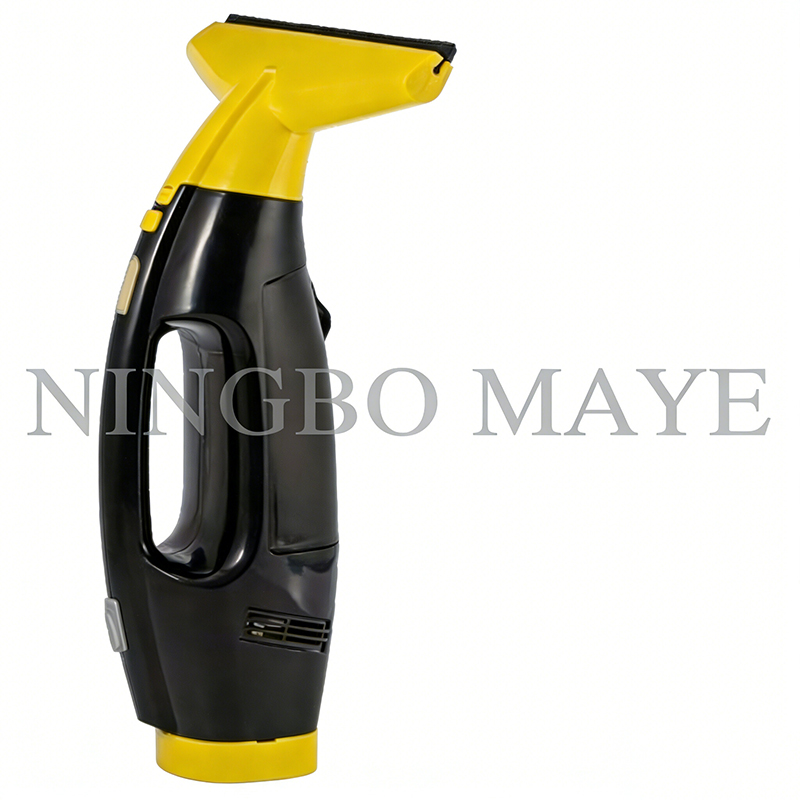
| Glass and mirrors | Good | Steam dissolves fingerprints and soap film; a squeegee removes the residue cleanly. | Too much moisture can leave streaks if the glass is cold. |
| Stainless steel and stovetops | Good | Grease softens quickly; seams and edges are easier to reach than with a spray bottle. | Check manufacturer guidance; some finishes are sensitive to heat. |
| Mattresses and upholstery | Moderate to good | Steam reaches fibers and seams and can reduce surface allergens and odors. | Fabric must dry fully; test colorfastness and avoid soaking foam. |
| Car seats and interior trim | Moderate to good | Steam loosens body oils and grime from fabric and hard trim. | Keep moisture low around electronics and leather. |
| Baked-on oven carbon | Poor to moderate | Carbonized soil does not soften easily; steam alone rarely removes it in one pass. | Use a dedicated oven cleaner or a long dwell time with a brush. |
| Unsealed wood, silk, some leather | Not recommended | Heat and moisture can raise grain, shrink fibers, or alter finishes. | Check the care label and test a hidden spot before any steam. |
The pattern is consistent: steam cleaners work best when the soil is greasy, sticky, or lodged in a texture that a cloth cannot reach. They work least well when the soil is hard, carbonized, or bonded by age. That is why a steam cleaner can transform a bathroom in twenty minutes and then seem useless on a roasting pan. The machine is not inconsistent; the soil and surface are different. For a broader look at household applications, see are steam cleaners good for household cleaning.
When people ask whether steam cleaners work, they usually mean one of three things: does it remove visible dirt, does it sanitize, or does it save time? Those are different tests, and a machine can pass one while failing another. Understanding the three mechanisms helps set realistic expectations.
Steam at the nozzle is typically around 100°C or higher, depending on the unit and the distance to the surface. That heat softens fats, waxes, and oils, which is why grease lifts more easily than it does with a cold spray. Heat also affects many bacteria and dust mites on contact, but contact time matters. A quick pass over a surface is not the same as holding steam on a grout line for several seconds. Manufacturers’ sanitization claims are usually based on specific test conditions, not on a single fast pass in a real kitchen.
Steam is water vapor, but in practice most handheld and canister cleaners deliver a mixture of vapor and fine droplets. That moisture carries heat into the soil and helps flush loosened residue out of texture. It also means you must manage wetness. On sealed tile, a little moisture is useful. On unsealed wood or a mattress seam, too much moisture can cause swelling, odor, or delayed drying. Good machines let you control the steam rate, and good technique means moving the nozzle rather than parking it in one spot.
This is the part buyers underestimate. A steam cleaner softens and loosens soil, but something still has to remove it. A brush, squeegee, microfiber cloth, or extraction tool does that work. If you steam a greasy stovetop and then wipe it with a dry cloth, you may simply spread the loosened grease. If you steam grout and do not extract the dirty water, the soil settles back into the line. The most effective steam cleaning is a two-step process: heat and loosen, then remove.
That is also why a cheap steam cleaner can outperform an expensive one in the hands of a patient user. The machine supplies heat and moisture; the user supplies dwell time, motion, and extraction. When someone says a steam cleaner “did nothing,” the missing step is often extraction rather than power.
Two steam cleaners with similar wattage can produce very different results. The specification sheet matters, but only a few numbers translate directly into cleaning performance. Here are the variables that make the biggest practical difference.
The practical takeaway is that “more power” is not always better. A machine with controllable steam and the right nozzles will usually outperform a higher-wattage unit that blasts wet steam everywhere. If you mostly clean grout, prioritize a concentrated jet and a brush. If you clean upholstery and mattresses, prioritize low-moisture control and a fabric attachment. If you clean glass, prioritize a squeegee and a steady steam rate.
Abstract claims about steam are less useful than specific rooms and surfaces. Here is how steam cleaning tends to perform in the areas where most people actually use it.
Steam cleaners are strong on stovetops, range hoods, backsplashes, cabinet fronts, and the seams around sinks. Grease softens quickly, and the steam reaches corners that a spray bottle misses. They are also useful on stainless steel if you wipe in the direction of the grain and dry immediately. They are less impressive on baked-on oven carbon and on heavy polymerized oil that has been heated repeatedly. For those, steam can help after a dedicated cleaner has softened the layer, but it is not a one-step solution.
A practical kitchen routine is to steam the stovetop and backsplash first, wipe away the loosened grease, then use a fresh cloth for the final pass. Keep steam away from control panels, display screens, and any appliance with exposed electronics. On cabinet fronts, test a hidden spot first because some thermofoil and veneer edges are sensitive to heat and moisture.
Bathrooms are where steam cleaners often earn their keep. Soap scum, body oils, and hard-water film soften with heat, and the focused jet reaches grout, tile edges, faucet bases, and shower door tracks. A steam cleaner can also help with toilet hinges and the seams around the base, provided you use a dedicated brush and disinfect the attachment afterward. The limitation is heavy mineral scale. Steam softens some of it, but a descaler may still be needed for thick deposits.
Ventilation is important in a bathroom because steam adds moisture to an already humid room. Run the exhaust fan, work in sections, and dry surfaces with a squeegee or microfiber cloth. On glass shower doors, a squeegee attachment reduces streaks and prevents the loosened film from drying back onto the glass.
Mattresses, upholstered headboards, curtains, and fabric sofas can benefit from steam, especially for surface allergens and odors. The key is moisture control. Use short bursts, keep the nozzle moving, and let the fabric dry completely before making the bed or using the furniture. Steam can also refresh pillows and stuffed toys if the care label allows it, but avoid soaking foam or filling.
On hard floors, steam works well on sealed tile, vinyl, and some laminate if the manufacturer permits it. It is risky on unsealed wood and on laminate with exposed edges, where moisture can swell the core. Area rugs should be tested for colorfastness, and natural fibers such as silk or wool may require professional care rather than steam.
Steam is useful for car seats, floor mats, door panels, and cup holders because it loosens body oils and grime without leaving detergent residue. It is especially effective on fabric seats when used with a microfiber cloth to extract the loosened soil. Keep moisture low around electronics, airbag seams, and leather. For leather, check the manufacturer’s guidance first; some finishes are sensitive to heat, and steam can dull or crack them if used aggressively. For a focused guide, see best ways to clean car seats with a steam cleaner.
Steam cleaning has a marketing problem: it is often presented as either a miracle or a gimmick. Neither is accurate. These are the myths that cause the most disappointment.
Heat can reduce many bacteria and dust mites, but contact time and surface type matter. A fast pass over a countertop is not the same as holding steam on a grout line for several seconds. If sanitization is the goal, follow the machine’s instructions for contact time and use the appropriate attachment. Steam is a useful part of a cleaning routine, not a guarantee of sterility in every real-world condition.
Steam replaces many detergents for routine grease and grout cleaning, but not all of them. Baked-on oven carbon, thick mineral scale, and certain stains may still need a dedicated product. The advantage of steam is that it reduces chemical use in everyday cleaning; it does not make every chemical unnecessary.
Excess moisture can slow drying, spread loosened soil, and damage heat-sensitive surfaces. Controlled steam is usually more effective than maximum output. On upholstery, vertical surfaces, and wood-adjacent areas, a lower steam rate with a longer dwell time often works better than a wet blast.
Sealed ceramic tile, vinyl, and some laminate can handle steam. Unsealed wood, cork, and laminate with exposed edges can be damaged by moisture. Always check the floor manufacturer’s guidance and test a hidden area. If the surface feels warm and dry within a minute, the risk is lower; if moisture sits on the surface or darkens the material, stop.
Most steam cleaning requires a dwell time and an extraction step. A single pass over a greasy stovetop may only spread the grease. A single pass over grout may loosen the top layer but not remove it. The better test is a small section cleaned with patience: steam for several seconds, brush, extract with a cloth, and then judge the result. If that small section improves, the machine is working; the technique needs adjustment. If nothing improves, check the nozzle, water level, and scale buildup.
If you have read this far, you probably do not need a lecture on how steam works. You need to know which specifications and design choices make a steam cleaner useful in a real home. The table below summarizes the practical targets.
| Specification | Why it matters | Practical target |
|---|---|---|
| Nozzle temperature | Determines how quickly grease and grout film soften. | Around 100–135°C at the nozzle for handheld models; check the stated test method. |
| Pressure | Helps steam penetrate texture and grout lines. | Around 3–4 bar for handheld units; higher for canister models. |
| Steam control | Prevents soaking upholstery and wood-adjacent surfaces. | Variable steam rate or trigger control with a safety lock. |
| Heat-up time | Affects whether you actually use the machine for small jobs. | Three to five minutes is convenient for handheld use. |
| Tank and refill | Longer sessions need enough water; refilling hot boilers can be unsafe. | At least 200–300 ml for handheld; larger for canister; cool-down before refill. |
| Attachment set | Determines whether the machine can clean grout, glass, upholstery, and seams. | Concentrated jet, nylon brush, wide brush, squeegee, and fabric tool. |
| Safety and certification | Reduces risk from hot water, pressure, and electrical components. | CE, GS, UL, or equivalent marks; pressure cap; child-safe trigger lock. |
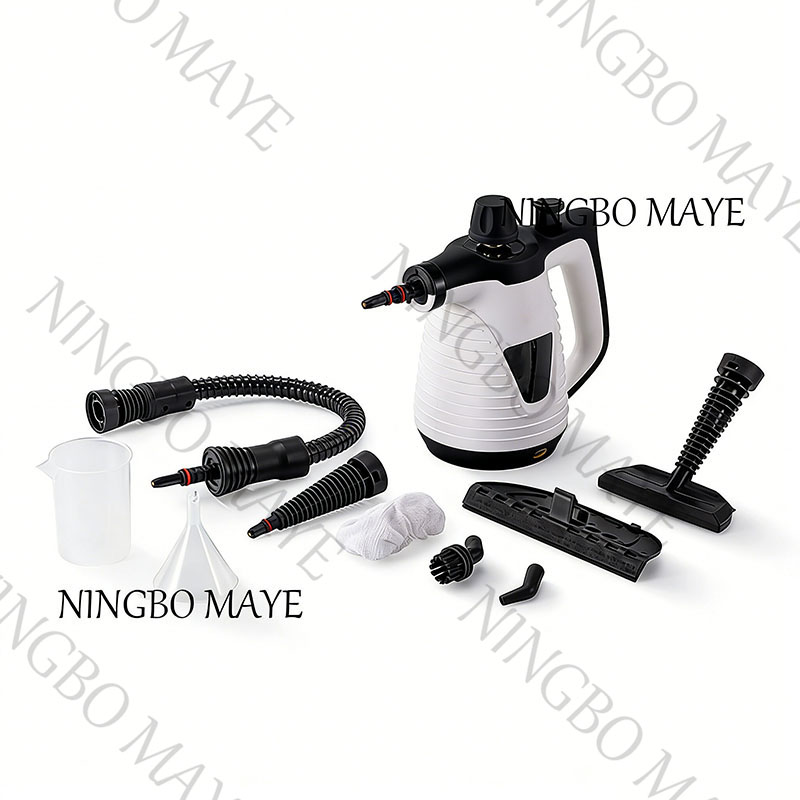
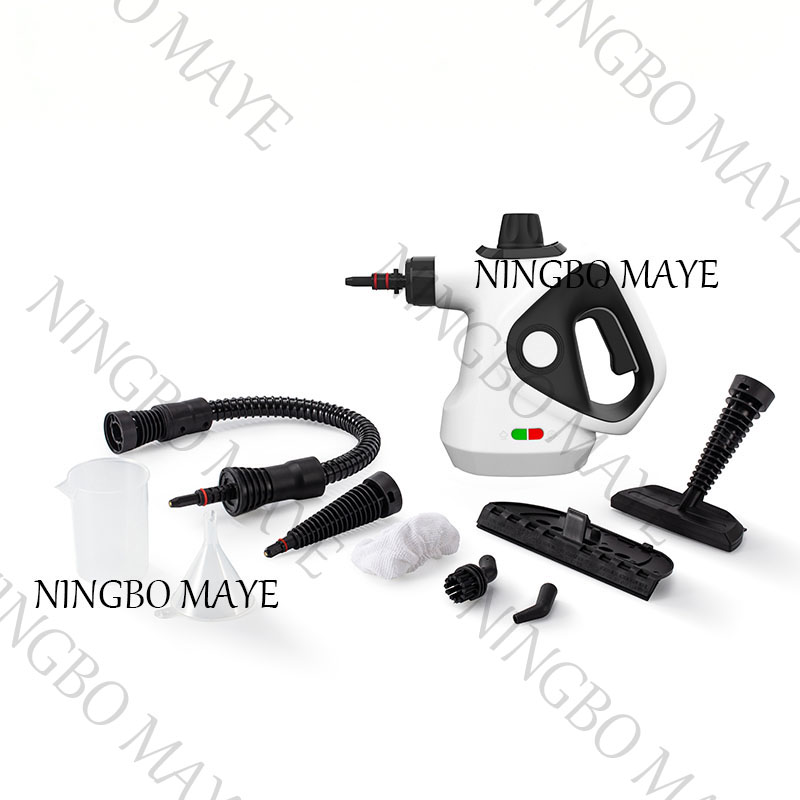
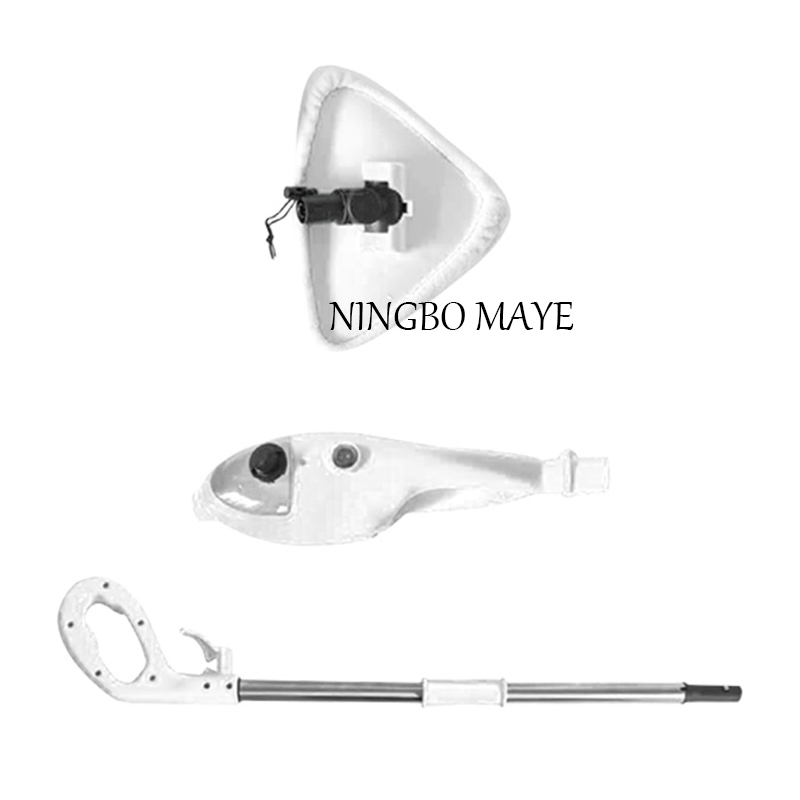
In our own household steam cleaner range, the design choices follow the same logic. The TM377 multipurpose handheld model is built around a concentrated steam path and a mop attachment for floors, which suits buyers who want one machine for tile, grout, and everyday hard-surface cleaning.
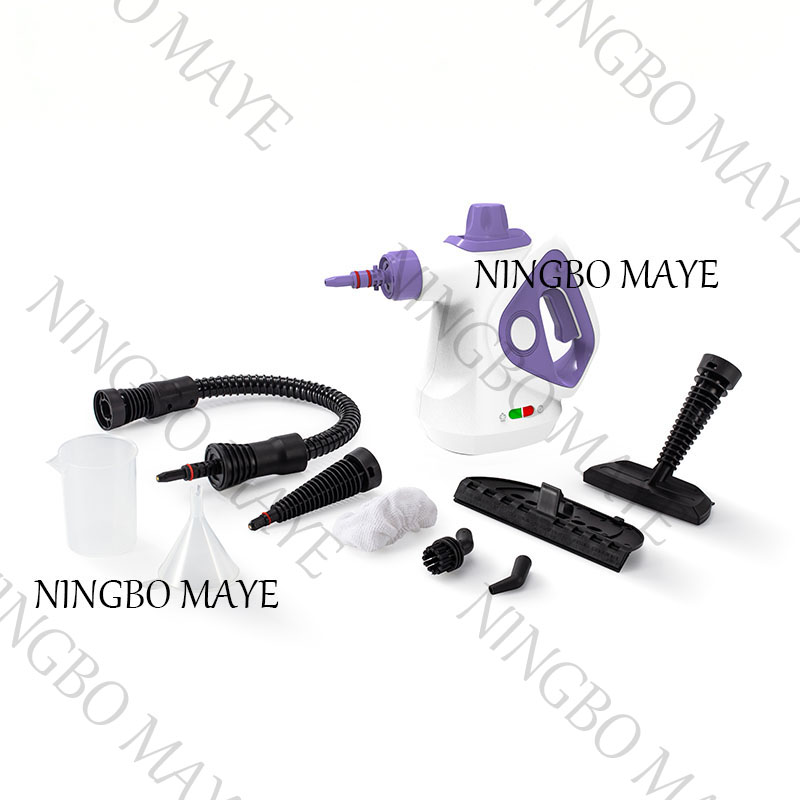 TM377 Multi-Purpose Handheld Steam Cleaner with MopA 900–1050W handheld with a 16-piece kit and mop attachment, suited to tile, grout, and everyday hard-surface cleaning.View Product →
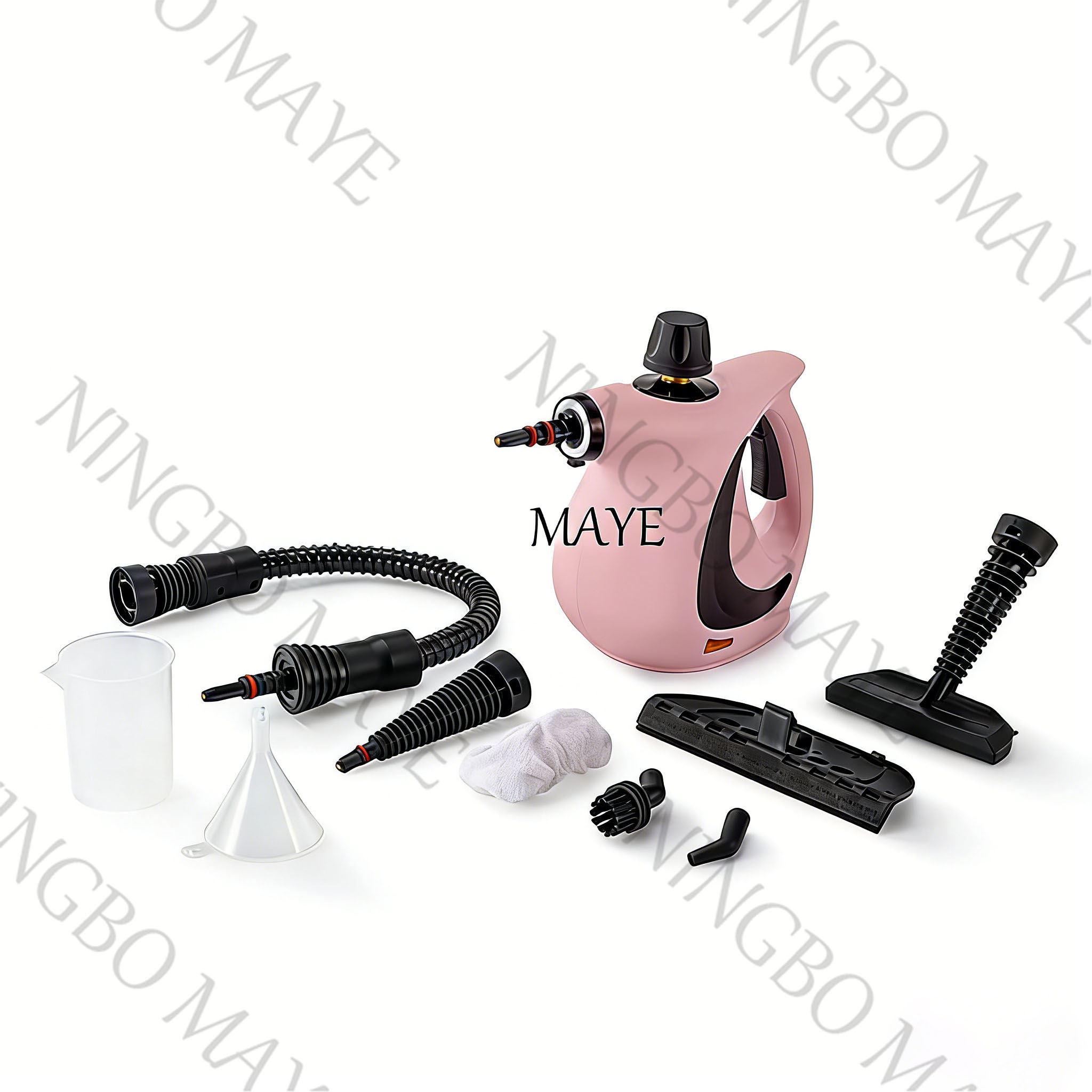
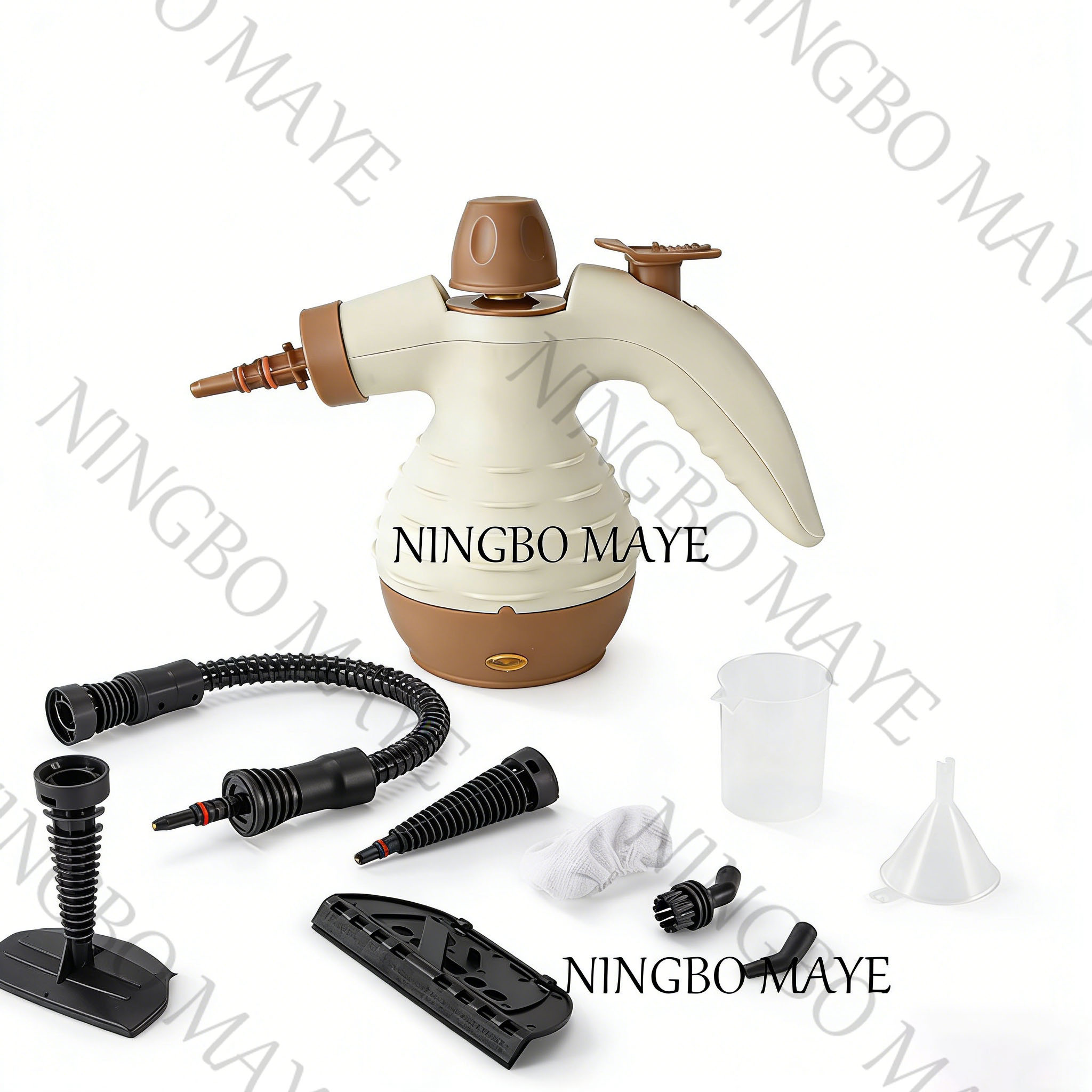
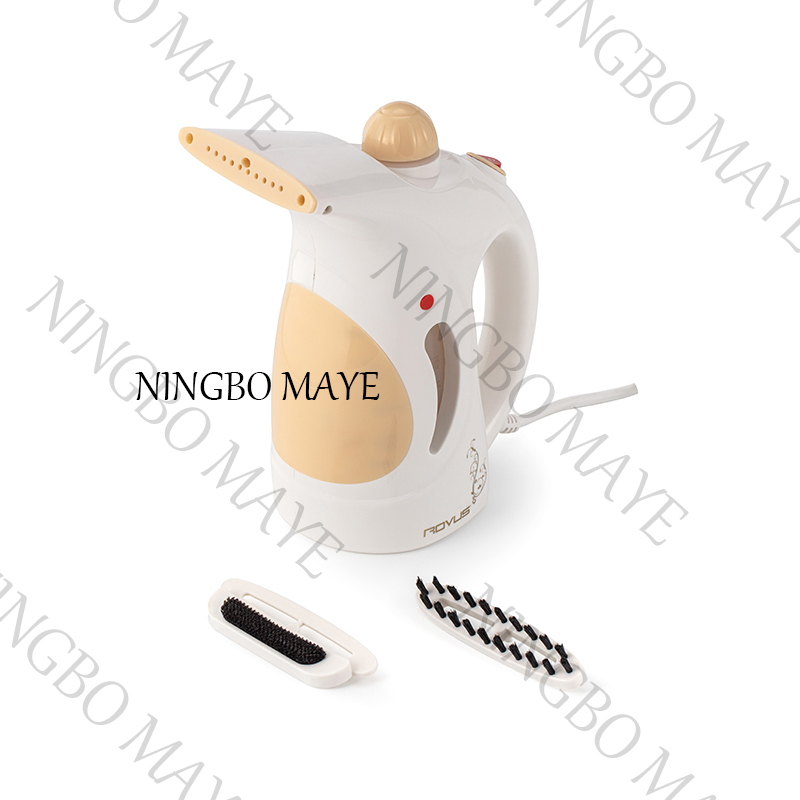
The TM188 is positioned for straightforward handheld cleaning, with a nozzle set that covers kitchen and bathroom tasks. The TM399 is a larger handheld option for users who want more steam capacity and a broader attachment kit for mattresses, upholstery, and grout.
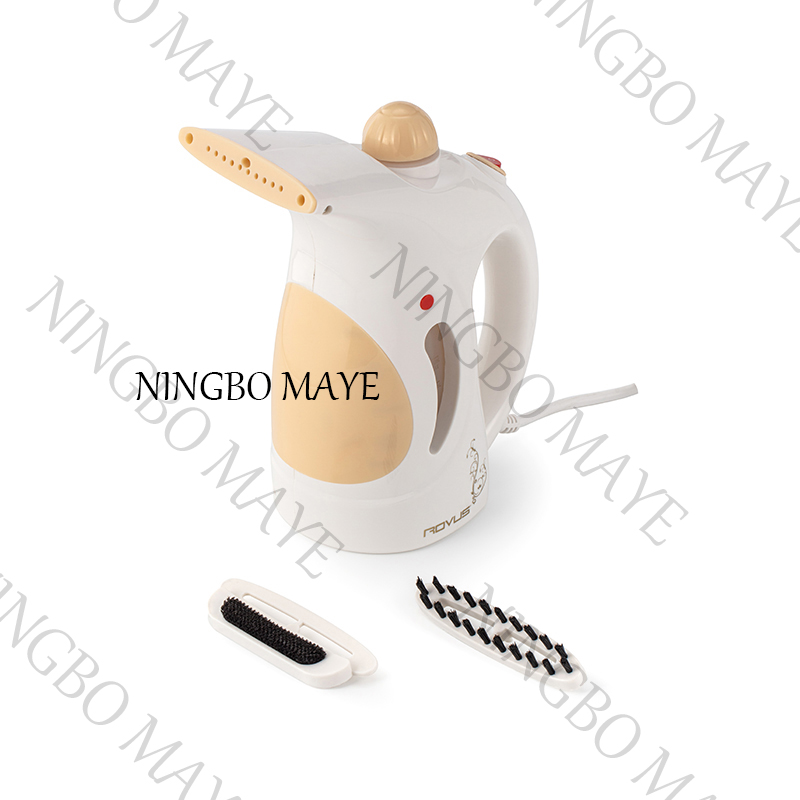 TM188 Compact Handheld Garment SteamerA lightweight 800W steamer with a 200ml tank and quick 30-second heat-up, useful for travel, home, and quick wrinkle refresh.View Product →
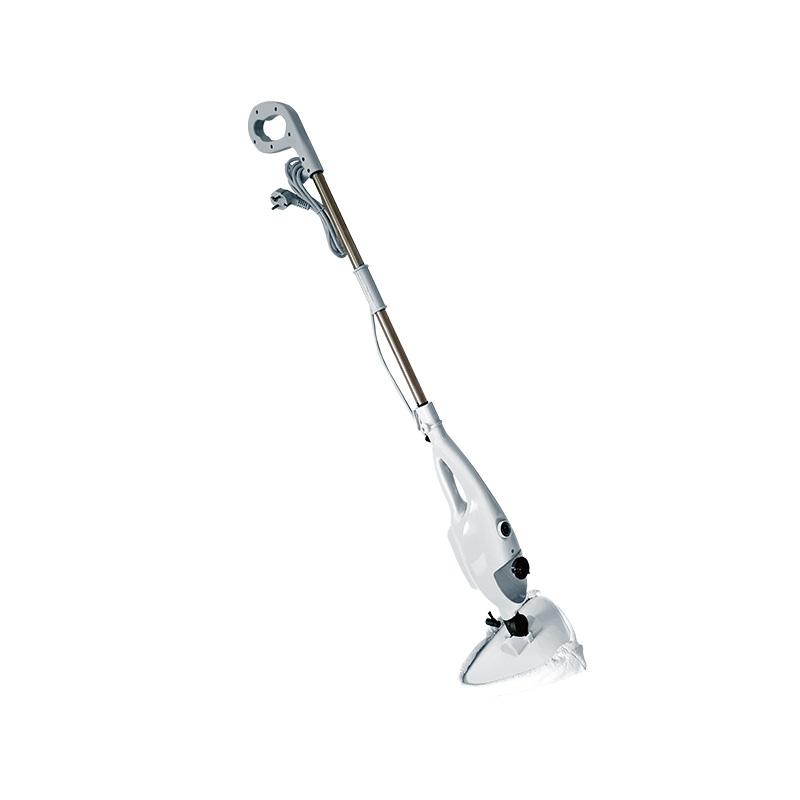
 TM399 Handheld Multi-Surface Steam CleanerA larger handheld option with nine accessories and selectable steam, suited to floors, upholstery, grout, and other household surfaces.View Product →
Those are examples, not a universal recommendation. The right choice depends on the surfaces you actually own. If your home is mostly sealed tile and glass, a compact handheld with a squeegee and jet nozzle is enough. If you have a lot of upholstery and mattresses, prioritize low-moisture control and a fabric tool. If you clean a large floor area every week, a canister with a larger tank and a floor head may be more practical than a handheld.
One more buying consideration: weight and cord length. A steam cleaner filled with water can become tiring after ten minutes, especially when reaching overhead or cleaning a staircase. A lighter handheld with a long cord is often more useful than a heavier model with a short cord and a large tank. If the machine is annoying to set up, it will not be used, and an unused steam cleaner does not clean anything.
Most steam cleaner performance problems are not electrical failures. They are scale, blocked nozzles, worn seals, and user error. In hard-water areas, mineral scale builds up in the boiler and reduces steam output. The machine may still heat up, but the steam becomes weaker or sputters. Using distilled or demineralized water is the simplest preventive measure. If the manufacturer provides a descaling procedure, follow it at the recommended interval rather than waiting for a visible problem.
Nozzles and brushes also matter. A clogged jet can make the machine seem underpowered. Remove the attachment, check for mineral deposits or debris, and clean it according to the manual. Do not poke a metal pin into a nozzle unless the manufacturer permits it, because you can enlarge the opening and change the spray pattern. Worn brush bristles reduce mechanical action, and a hardened rubber seal can cause leaks or pressure loss.
Safety deserves equal attention. Steam cleaners produce hot water and steam under pressure. Let the unit cool before opening the boiler, keep the cap secure, and never point the nozzle at people or pets. Use a trigger lock when the machine is not in use, and keep the cord away from hot surfaces. On vertical surfaces, work from the bottom up to avoid streaking, and keep electrical outlets and appliances away from the steam path. If the machine has a pressure relief valve, do not block it.
Storage is another practical factor. Empty the tank after use, dry the attachments, and store the unit with the nozzle clear. Leaving water in the boiler for months encourages scale and odor. A few minutes of care after each use will do more for long-term performance than any single specification on the box.
Yes, steam cleaners work — but they work like a focused tool, not a universal appliance. They are highly effective on grease, grout, tile, glass, stainless steel, mattresses, upholstery, and the seams and edges where dirt collects. They are weakly effective on baked-on carbon and heavy mineral scale, and they should be kept away from unsealed wood, delicate fabrics, some leathers, and electronics. The difference between a good result and a disappointing one usually comes down to temperature at the nozzle, controlled steam, dwell time, and extraction.
If you are considering a purchase, test the concept before you test the machine. Pick one grout line, one stovetop burner ring, or one upholstered cushion. Steam it for several seconds, brush or wipe, and extract the loosened soil. If that small area improves, a steam cleaner is likely to earn its place in your cleaning routine. If it does not, the problem may be the surface, the soil, or the technique rather than the category. For a realistic view of what not to steam, see what should I not clean with a steam cleaner.
The most satisfied steam cleaner owners are not the ones who bought the highest wattage. They are the ones who matched the machine to their surfaces, used distilled water, kept the nozzles clean, and accepted that steam softens soil while a cloth or brush removes it. That is less exciting than the marketing videos, but it is the truth behind the question. Steam cleaners work when the user gives them the right surface, the right attachment, and a few extra seconds of contact time.
Related Products

Address
East Zone Development Zone Lingshan Town Yuyao City Zhejiang P.R.C.
Tel
+86-18905840666 / +86-574-62067822
+86-15905848828
QR CODE
 Wholesale Multifunctional Steam Cleaner Manufacturers

 English
 Español