2026-09-03
Spilled coffee, accumulated sweat, and everyday grime often leave your car seats looking dull and smelling stale. A steam cleaner can remove these problems without harsh chemicals, preserving the fiber or hide underneath. The key is matching your steam settings and technique to the material. In this guide, you'll find a practical, step-by-step approach for fabric, leather, and vinyl seats, plus the drying routines that keep moisture from becoming your next problem.
Steam cleaning relies on heat, not chemical solvents, to lift embedded dirt and kill odor-causing bacteria. A steam cleaner heats water to roughly 130-160°C inside the boiler, though the steam that reaches your seat surface usually sits near 100-110°C. This high temperature softens oils and grime, while the low moisture content means you are not saturating the upholstery cushion.
For fabric seats, steam opens the fibers so dirt particles become loose and easy to wipe away. For leather, the heat gently opens pores and allows the surface to release trapped body oils and residues. The result is a deeper, faster clean compared with wet shampooing, and much of the moisture evaporates before it can soak through the padding. This is why a handheld steam cleaner is a practical tool for car interior maintenance.
Before touching the seats, identify the material. Vinyl, leather, and woven fabric each react differently to heat and moisture. A common rule of thumb is to test a small, hidden area first. Press the steam nozzle onto a patch under the seat or at the backrest seam, wait a few seconds, then wipe and inspect for color transfer or cracking.
Gather your equipment before you begin: a steam cleaner with a focused nozzle, a vacuum with a crevice tool, several clean microfiber cloths, and a soft-bristle brush for fabric. Having everything at hand prevents you from leaving a partly cleaned seat to search for supplies.
| Seat Material | Steam Level | Dwell Time | Key Note |
|---|---|---|---|
| Fabric | High (full steam) | 2-3 seconds per pass | Move continuously; do not soak the cushion. |
| Leather | Medium to low | 1 second per pass | Wipe immediately with a dry cloth. |
| Vinyl | Medium to low | 1 second per pass | Avoid concentrating heat on seams. |
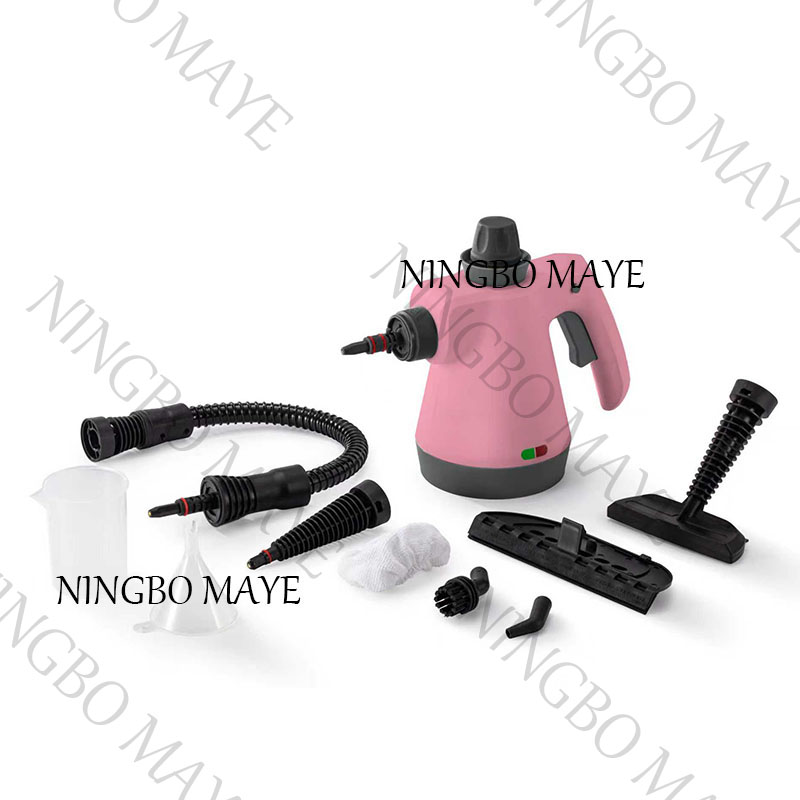
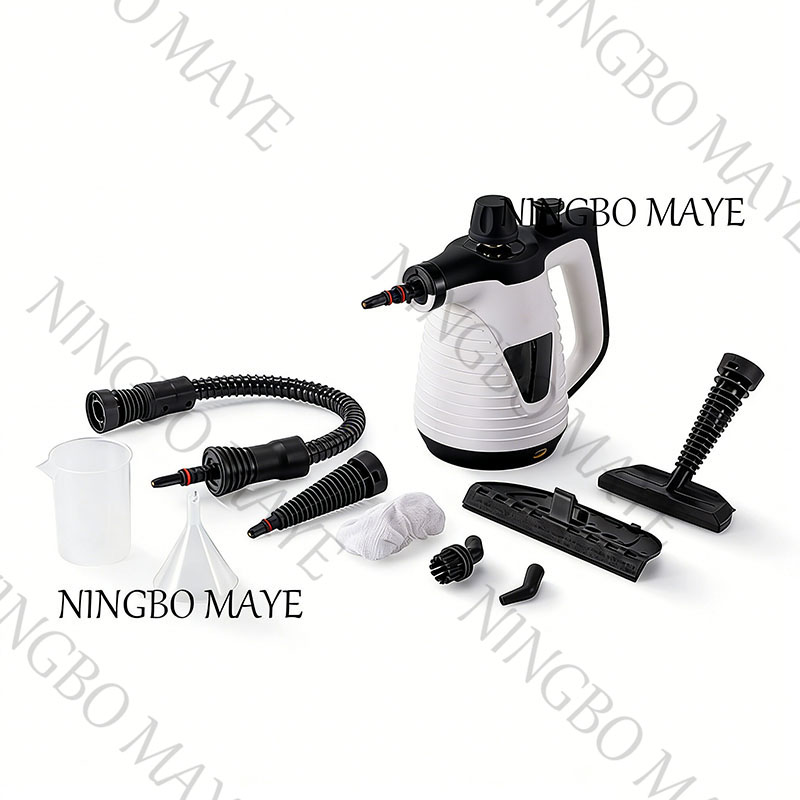
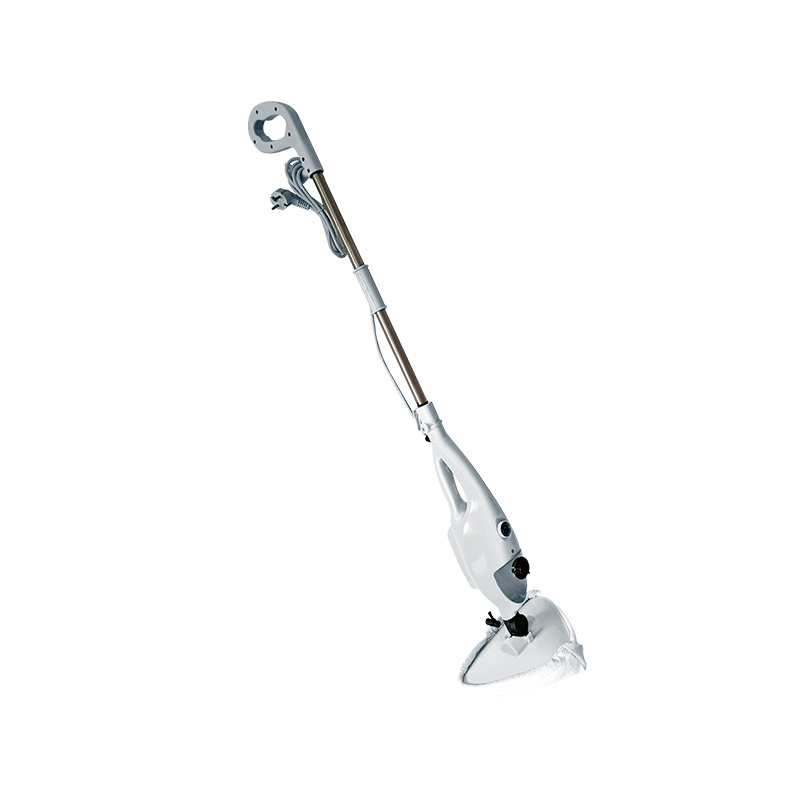
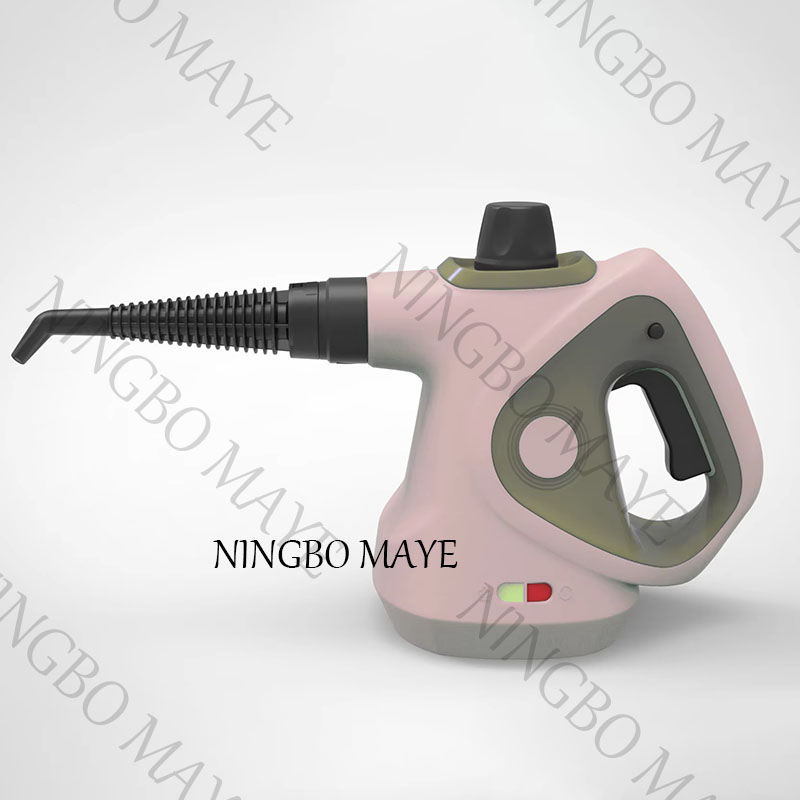
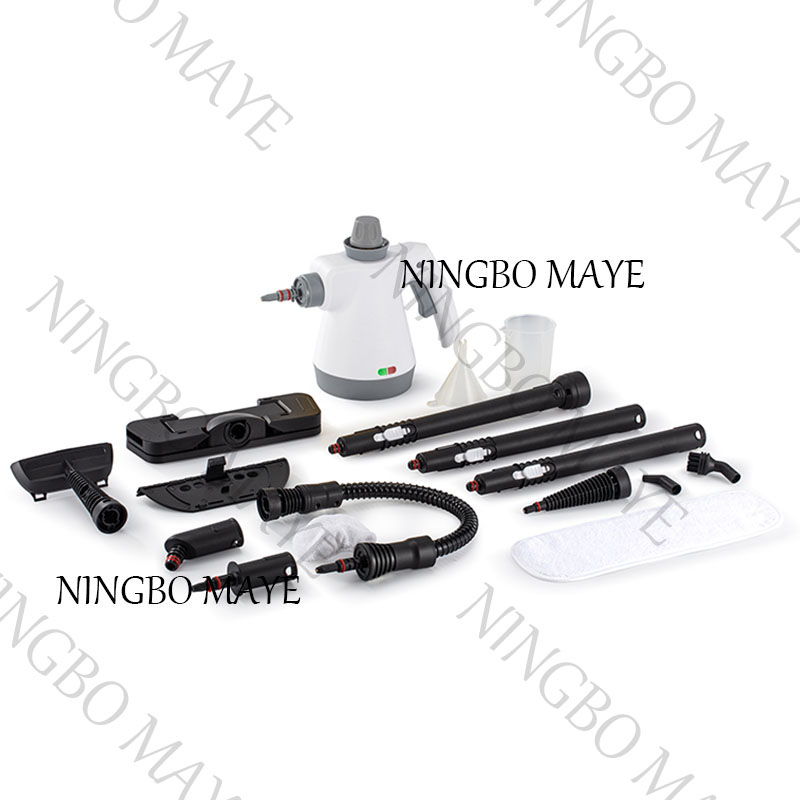 TMSC-001 Handheld Electric Steam Cleaner for Car InteriorThis handheld steam cleaner generates up to 3.2 bar of high-temperature steam, ideal for deep-cleaning car seats and upholstery without chemicals, effectively removing embedded dirt and odors.View Product →
Use a vacuum with a crevice tool to remove loose dust, crumbs, and pet hair from the seat surfaces and seams. This step matters because steam cannot lift solids that are sitting on top of the fabric; it only works on residue that is embedded. Take at least two minutes per seat.
If you have coffee, food, or blood stains, lightly mist the area with a small amount of diluted upholstery shampoo or an enzymatic cleaner, then let it sit for about one minute. Do not soak the fabric. The steam will help activate the solution and lift the stain without carrying it deeper.
Hold the steam nozzle about 10-15 cm from the fabric and use a slow, continuous sweeping motion. Apply the steam for two to three seconds per pass, then move immediately to the next narrow strip. Overlapping by about one third of the previous path ensures even coverage without over-wetting any one spot.
After each pass, press a clean microfiber cloth over the damp fabric to blot the released dirt. Use a separate side of the cloth for each seat. Do not drag the cloth back and forth; pressing down and lifting traps the grime in the cloth instead of smearing it.
Repeat the steam and wipe process section by section. You will see a noticeable difference after the first pass. Stop when the cloth no longer picks up brown or gray residue. Two or three passes are normally enough for average soiling.
Steam can be effective on leather, but it can also cause severe damage if you overdo it. Set the steam cleaner to a medium or low setting and test on an inconspicuous spot first. Keep the nozzle further away than you would for fabric, roughly 20 cm, and use very short one-second bursts.
After each burst, immediately wipe the leather with a dry microfiber cloth. This removes the moisture before it has time to penetrate the pores. The goal is to loosen surface oils, not to add water weight to the hide. Once the seat is clean and dry, apply a small amount of leather conditioner to keep the material supple.
Vinyl, which is often used for seat trim or in vehicles without leather upholstery, tolerates steam better than leather, but it can still warp or crack if it stays too hot. Use the same medium-low setting and wipe dry immediately. Pay special attention to seams and perforated areas where water can collect and cause odor or mold later.
The most overlooked part of any steam cleaning job is drying. Steam adds moisture, even in low-moisture form, and that moisture needs somewhere to go. If you close the car doors and let the seats sit damp, you are creating the perfect environment for mold, mildew, and the musty smell that ruins an interior.
After cleaning, leave the car doors open for at least 30 minutes. If the weather allows, park it in a shaded area and run a box fan or the car's blower motor on low with the windows down. A handheld VAC, if you have one, can pull additional water out of the cushion core. Do not use direct sunlight or a high-heat source to speed drying; that can shrink fabric or crack leather.
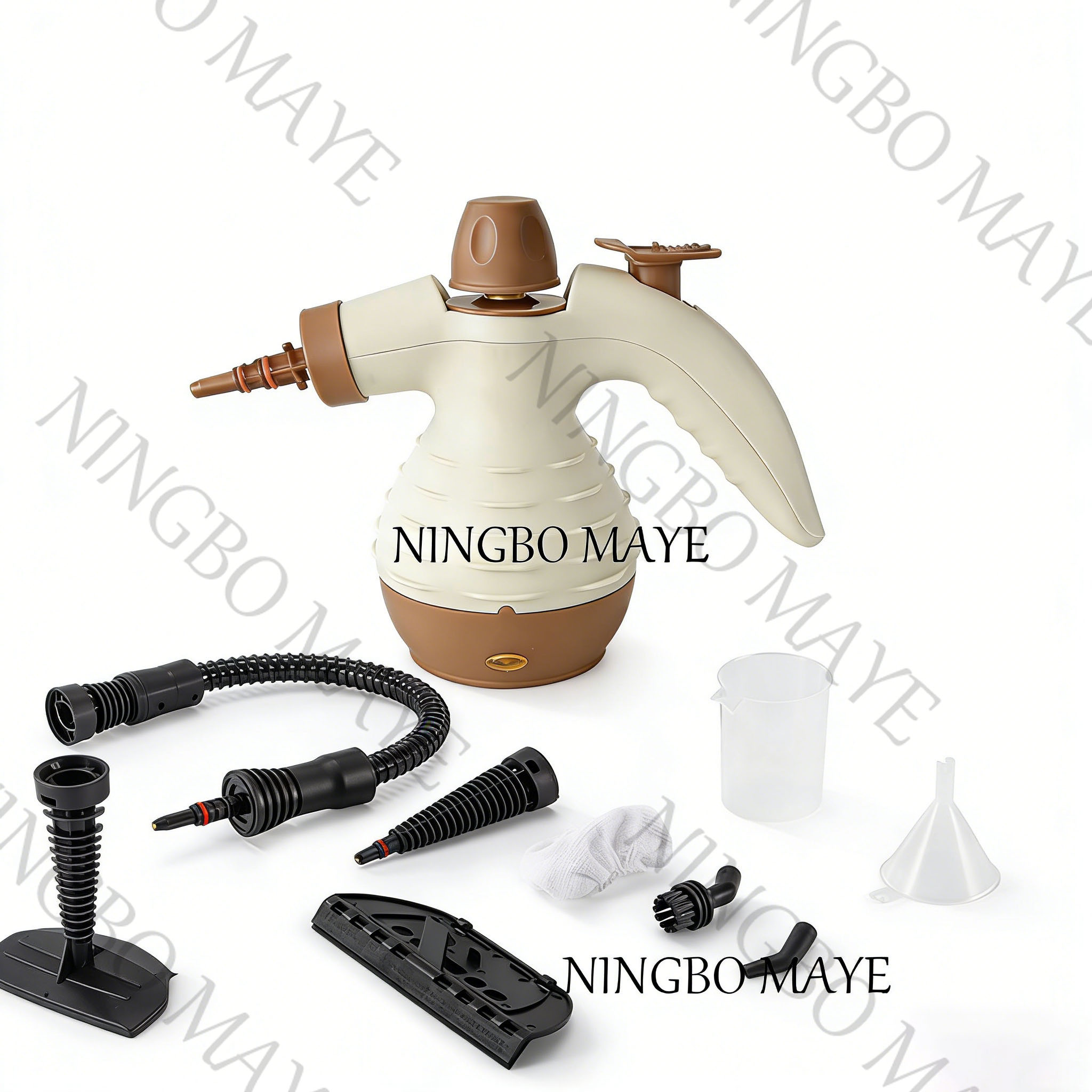
Not every steam cleaner is suitable for car interiors. Look for a model with adjustable steam output, so you can dial it down for leather and up for fabric. The nozzle and brush attachments matter as well: a narrow detail nozzle helps reach seams around the headrest base, while a small bristle brush works for textured fabric.
A handheld unit with a short warm-up time and a enough water tank to cover two seats without refilling is ideal for weekend detailing. If you are still deciding, review the practical criteria when choosing a handheld steam cleaner, including boiler capacity and safety features. It is also worth checking a manufacturer that builds steam cleaners in-house. For example, our household steam cleaner lineup includes models made for tight interior spaces. A compact unit with a flexible hose lets you reach the lower backrest and center console more easily.
When you use a steam cleaner, maintain a consistent dry wipe after each pass. A good scrub pad and a thick microfiber cloth are just as important as the steam itself.
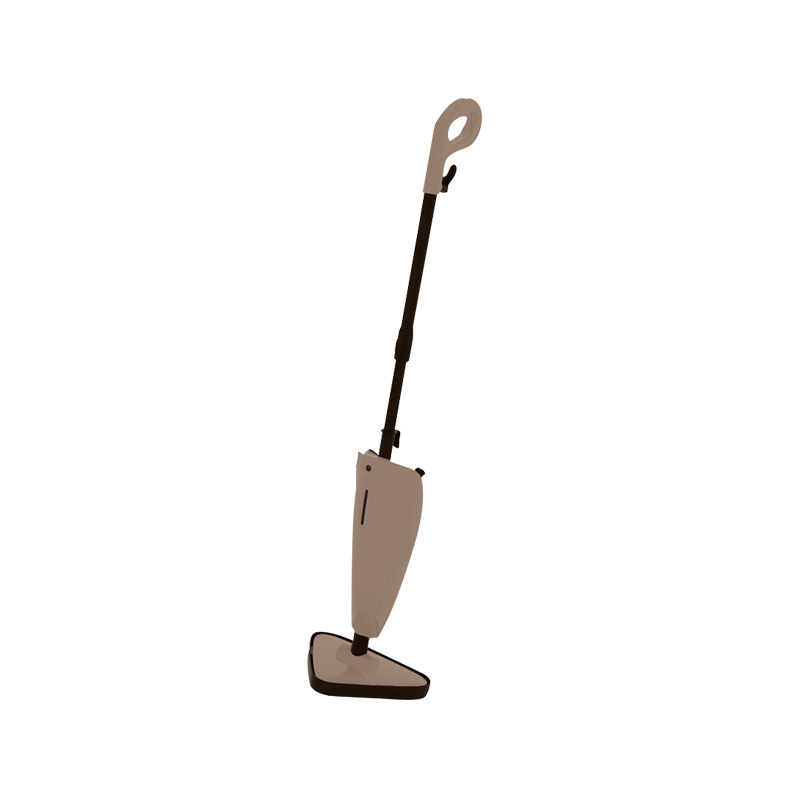
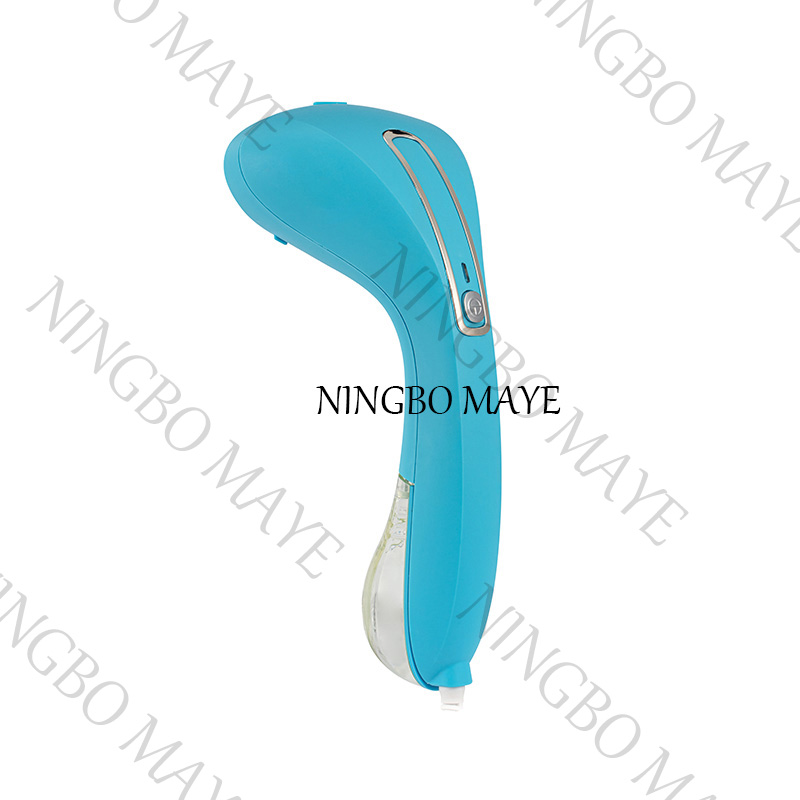 TM-168 4-in-1 High-Temperature Handheld Steam VacuumThis compact steam vacuum reaches 120°C to tackle stubborn stains and kill 99.9% of bacteria, making it a versatile tool for thorough car seat cleaning and quick spot treatments.View Product →
Cleaning car seats with a steam cleaner is a fast, chemical-free way to remove dirt, stains, and odors. The process is straightforward: vacuum first, test the material, use the correct steam level, wipe immediately, and always dry the seats thoroughly. By following these steps, you can extend the life of your upholstery and keep your car interior looking and smelling fresh.
Related Products

Address
East Zone Development Zone Lingshan Town Yuyao City Zhejiang P.R.C.
Tel
+86-18905840666 / +86-574-62067822
+86-15905848828
QR CODE
 Wholesale Multifunctional Steam Cleaner Manufacturers

 English
 Español