2026-08-27
A three-year-old spills grape juice on a fabric sofa. A pet leaves an accident on a rug. Kitchen grout slowly changes from white to gray, and the oven door carries a layer of baked-on grease that no spray seems to shift. These are the moments when homeowners start searching for a more decisive way to clean, and steam vacuuming is usually the answer they find. The short version is that steam cleaning works, and it works exceptionally well on sealed hard surfaces and washable upholstery, but it is not a replacement for a vacuum cleaner or a carpet extractor. This guide explains what steam vacuuming can and cannot do, why heat rather than detergent does the heavy lifting, how to compare the specifications that actually matter, and how to use a steam cleaner safely without damaging floors, fabrics, or the machine itself.
"Steam vacuuming" is a loose term, and the cleaning industry does not make it easier by using the phrase for several different product families. In everyday language it covers at least three tools: handheld steam cleaners, steam mops, and canister steam cleaners with floor tools. Some steam mops also add a vacuum function to collect the water they leave behind, which is the most literal reading of the phrase. What unites all of them is a single principle: water is heated in a sealed boiler until it becomes high-temperature steam, and that steam is directed through a nozzle, a brush, or a cloth pad to loosen dirt, dissolve grease, and sanitize the surface underneath. There is no spinning brush, no detergent tank, and no foam.
Here is the conclusion up front. If your goal is chemical-free deep cleaning of sealed hard floors, grout, bathroom fittings, kitchen surfaces, and washable sealed upholstery, steam vacuuming is one of the most effective methods you can use. If your goal is removing dry dust and debris, a vacuum cleaner still has to come first. If your goal is flushing deep soil out of carpet pile, a hot-water extraction machine will do a better job. Steam cleaning occupies a specific slot: it fills the gap between daily wiping and chemical-heavy deep cleaning, and it does so with nothing but water.
The distinction matters because each form factor changes the way you work. A canister steam cleaner has a floor tool and a long hose, so it is best for large sealed areas and for reaching into ovens, showers, and car interiors. A handheld steam cleaner is built for speed, with a short heat-up time, and is the right tool for spot cleaning, grout lines, and anything you can hold in your hand. A steam mop is the quickest option for sealed hard floors, and a steam vacuum mop adds suction so that the dirty water is collected rather than left for you to wipe up manually. None of these is inherently better; they simply fit different cleaning routines.
The reason steam works so well is that most common household soils are organic. Grease, soap scum, food residue, and body oils soften and dissolve when they are heated above roughly 60 to 90 °C. A well-designed steam cleaner delivers steam at 120 to 170 °C at the nozzle, which is far hotter than any hot-water bucket, and the steam condenses on the surface and transfers its energy directly to the soil. Dust mites die at around 60 °C, and most household bacteria are neutralized above 70 °C, so a few seconds of contact with steam brings a genuine sanitizing effect without any chemical residue. Detergent, by contrast, lifts soil chemically but leaves a film behind, and that film attracts new dust. Steam leaves nothing behind except the water you wipe away.
Understanding the physics behind steam cleaning makes it much easier to choose a machine and to use it properly. The first key fact is latent heat. When water boils into steam, it absorbs a large amount of energy, and when that steam touches a cooler surface it condenses back into liquid and releases the same energy onto the surface. One liter of water expands to roughly 1,700 liters of steam, which means a small amount of water can carry a surprising amount of cleaning energy. This is why a steam cleaner can soften a layer of baked-on grease with a couple of passes, while a cloth and warm water would require heavy scrubbing.
The second key fact is pressure. In a sealed boiler, the steam is pressurized, and that pressure pushes the vapor into cracks, corners, and grout lines that a mop or cloth cannot reach. Pressure is measured in bar, and typical steam cleaners range from about 2 bar in smaller handheld units to 4 or 5 bar in heavy-duty canister machines. Higher pressure is useful for flushing dirt out of narrow joints, but pressure alone does not clean a large flat floor; that takes flow. Flow is the amount of steam produced over time, usually expressed in grams per minute. A machine with high pressure but low flow will excel at grout lines and slow down on open floor areas. When you compare two models, compare both figures together.
The third factor is contact time, often called dwell time. Steam softens soil gradually, and the relationship is roughly temperature multiplied by time. A smooth sealed tile may need only a few seconds of steam before a wipe removes everything. A greasy grout line can need ten to thirty seconds with a small brush. Baked-on oven soil can need twenty to thirty seconds or repeated passes. The machine matters, but the speed of your hand matters just as much. Moving too fast is the most common reason beginners assume that steam cleaning is weak; moving slowly, in overlapping passes, is what produces visible results.
Finally, water quality determines how long the machine will last. Steam cleaners are small boilers, and scale is their main enemy. In hard-water areas, tap water leaves calcium deposits inside the boiler, on the heating element, and at the nozzle, which cuts steam output and eventually causes failure. Distilled or demineralized water is strongly recommended, and most manufacturers state this in the manual. If you only have tap water available, plan to descale the unit more frequently. With distilled water and routine descaling, a well-built boiler should last for many years of regular household use.
| Soil or task | Nozzle temperature | Contact time | Practical notes |
|---|---|---|---|
| Dust mites and allergens on mattresses | 100-120 °C | 5-10 seconds per area | Wipe with a dry cloth afterwards and air the room |
| Grease film on kitchen surfaces | 130-160 °C | 5-15 seconds with brush movement | Use a narrow nozzle; repeat on baked-on layers |
| Soap scum on glass screens | 120-140 °C | 5-10 seconds | Follow with a squeegee to avoid spotting |
| Dried food on oven racks | 150 °C or higher | 20-30 seconds or longer | Let steam soften the layer before scraping |
| Grout lines in bathrooms and kitchens | 130-150 °C | 10-30 seconds | Pre-clean with vacuum; use a small pointed brush |
| Protein stains on washable upholstery | 110-130 °C | Short bursts, repeat | Blot with a clean towel; never rub the fabric |
The exact numbers in the table will vary from machine to machine, and the nozzle temperature printed on the box is not always the temperature that reaches the surface. What matters is the pattern: difficult soils need higher temperature and longer contact, while sanitizing tasks are quick because the target threshold is relatively low.
The most practical question about steam vacuuming is simple: which surfaces can take it? The general rule is also simple. Steam is safe on materials that are sealed, dense, and heat-tolerant. Steam is risky on materials that are unsealed, porous, or sensitive to moisture and heat. If you apply steam to unsealed wood, the moisture penetrates the grain and can stain or warp it. If you apply steam to unsealed stone, the same thing happens. If you apply high heat to silk or some synthetics, the fibers can shrink or take on a permanent sheen. Everything else, with the right technique, is fair game.
| Surface type | Steam suitable | How to do it safely |
|---|---|---|
| Ceramic and porcelain tile | Yes | Direct steaming; brush grout lines; wipe afterwards |
| Sealed granite or marble | Yes, with caution | Sealed surfaces only; keep moving; dry immediately |
| LVT, vinyl, linoleum | Yes | Moderate passes; avoid pooling on seams |
| Laminate | With caution | Quick passes, low moisture; check warranty terms |
| Solid hardwood | With caution | Sealed floors only; rare use; never let water pool |
| Mattress and sealed upholstery | Yes | Use a fabric tool; moderate moisture; allow full drying |
| Silk, wool, delicate synthetics | No | Heat and moisture cause shrinkage or glazing |
| Unsealed stone or unsealed wood | No | Water penetrates and stains permanently |
| Electronics, paper, cardboard | No | Steam and condensation damage components |
Ceramic tile, porcelain, sealed stone, vinyl, and sealed concrete all handle steam very well. The biggest payoff is usually the grout. Grout is porous and rough, so it holds onto soap scum, body oils, and mold, and those soils are exactly what steam flushes out. A small pointed brush, patience, and a cloth to wipe the released soil are all you need to bring grout back to a light color without bleach or abrasive powder. Steam is also excellent on stainless steel sinks, chrome fittings, glass shower screens, range hoods, and the glass surfaces of ovens. On horizontal surfaces like tiles and sinks, the standard sequence is steam, wipe, and dry; on vertical surfaces like glass, a squeegee finishes the job quickly.
Sealed and washable upholstery responds well to steam, which is what makes steam vacuuming so popular for sofa stain emergencies and mattress hygiene. The fabric needs to tolerate heat and moisture, and you should always test an inconspicuous corner first. Work with a fabric glide or a cloth-covered nozzle, keep the steam moving, and blot with a dry towel rather than scrubbing. This approach is excellent for refreshing a mattress, because the heat kills dust mites in the upper layers of the fabric. The main caution is drying time: upholstery holds much more moisture than tile, so allow several hours of air circulation before you put cushions back or make the bed.
Some materials should simply never meet steam. Unsealed natural stone, unsealed wood, and unsealed concrete can absorb the water and develop permanent marks. Loose wallpaper, paper-based wallcoverings, and cardboard packaging will wrinkle and peel. Electronics, power outlets, and appliances with open vents should be cleaned with a damp cloth instead of steam, because condensation can cause short circuits. Waxed or oiled surfaces can lose their finish, and some painted surfaces may soften if you hold the steam in place for too long. In every case, the user manual of the machine is the final authority, and a quick test on a hidden area, with a ten-minute inspection afterwards, is the cheapest insurance you can buy.
Steam vacuuming is often presented as a replacement for every other cleaning tool, but the realistic picture is that it complements them. A dry vacuum removes loose particles that steam cannot lift; a damp mop refreshes a floor in two minutes; a steam cleaner handles the deep cleaning, scale, and grease jobs; and a carpet extractor flushes the deepest soil out of pile. Households that own both a vacuum and a steam cleaner tend to use them together, and that combination produces better results than either tool alone.
| Method | What it removes | Sanitizing effect | Residue left | Best for |
|---|---|---|---|---|
| Dry vacuum | Loose dust, crumbs, pet hair | None | None | Daily maintenance |
| Damp mop | Surface dirt and light stains | Limited | Detergent film if chemicals are used | Quick floor refresh |
| Steam cleaner | Bonded grease, soap scum, scale | Yes, steam above 100 °C | None | Deep cleaning and sanitizing |
| Steam vacuum mop | Surface dirt plus bonded soil | Yes | None | Sealed hard floors in one pass |
| Hot-water extraction | Deep carpet soil and odors | Depends on chemistry | Detergent and water | Periodic carpet washing |
The recommended workflow is simple and rarely changes. First, vacuum or sweep the area so that grit and hair are removed; if you skip this step, the steam pushes debris around and the cloth or brush becomes clogged. Second, clean with steam, moving slowly enough for the moisture to do its work. Third, wipe away the released soil on hard surfaces, or blot it on fabrics. Fourth, allow the area to dry. This sequence is faster than it sounds, and because there is no detergent, you never need a separate rinse pass to remove a chemical film.
One practical note for homes with mixed floors: steam is hard on carpets, so if your home is mostly carpeted, your steam cleaner will spend most of its time in the bathroom and kitchen. If your home is mostly sealed hard flooring, you will probably reach for the steam cleaner several times a week. Choose the machine based on the dominant surface in your home, not on the full list of everything it can do.
Steam cleaner spec sheets are full of numbers, and some of them are meaningless. Wattage, for example, tells you how fast the heater warms up, but it says nothing about how much steam reaches the surface. The figures that actually predict cleaning performance are boiler pressure, nozzle temperature, steam flow rate, heat-up time, tank capacity, and continuous steam time. Learn to read these six numbers and you will avoid most marketing traps.
Boiler pressure, measured in bar, determines how forcefully steam is pushed into narrow spaces. Entry-level handheld units often run at 2 to 3 bar, while heavy-duty canister units reach 4 to 5 bar. Pressure matters most for grout lines, window tracks, car seats, and any surface where soil hides in a recess. Steam flow, measured in grams per minute, determines how much area you can cover before the surface cools. High flow is what makes a machine feel fast on open floors. Beware of manufacturers who publish only one of the two numbers. A machine with impressive pressure but low flow will be slow on large areas, and a machine with high flow but low pressure will struggle in corners and joints.
Heat-up time is the delay between switching the machine on and seeing steady steam. Twenty to thirty seconds is pleasant for daily use; sixty seconds is acceptable; anything slower invites you to put the machine back in the cupboard. Continuous steam time is the length of time the boiler can produce steam from one fill, and it is the number that actually tells you how much work you can do before stopping. Handheld units typically offer eight to fifteen minutes, which is enough for a bathroom or a car interior. Canister units with larger tanks can run for twenty to forty-five minutes, which suits whole-home cleaning. Some machines also have a burst or trigger mode that lets you increase flow on demand, which is genuinely useful for tough spots.
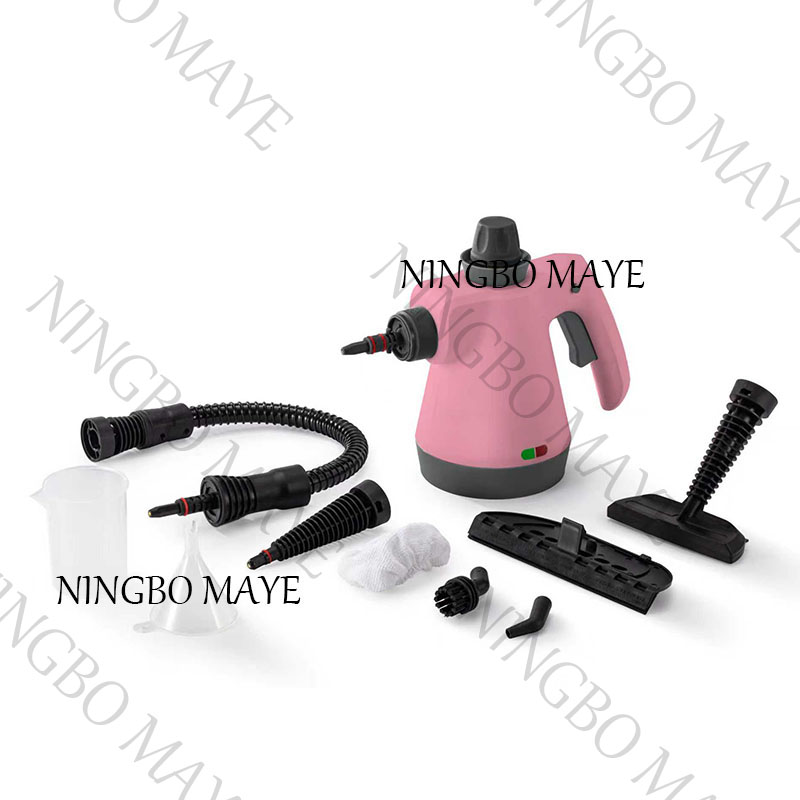
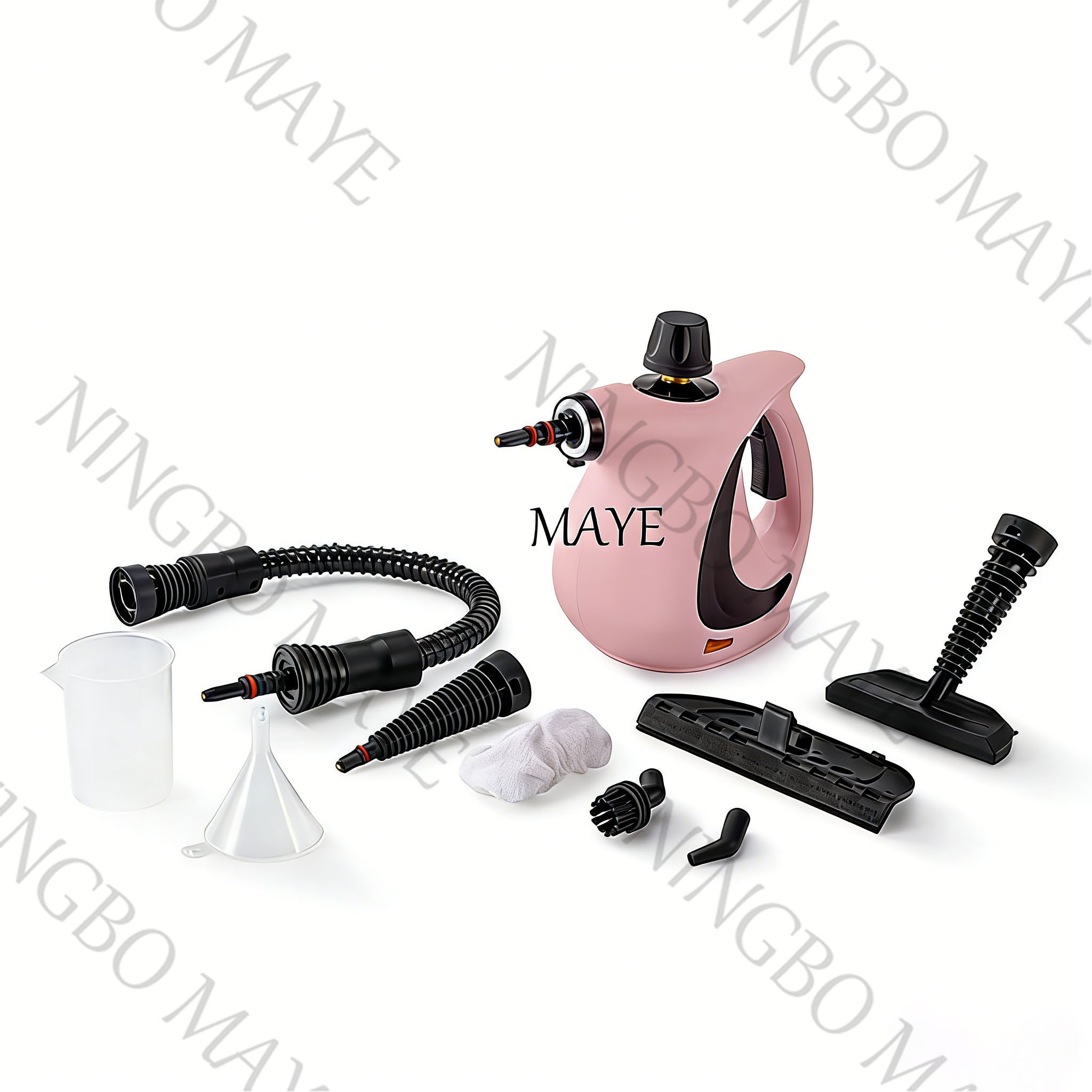
The same boiler with different accessories behaves like a completely different tool. A narrow pointed nozzle turns a steam cleaner into a grout cleaner and window-track tool. A small round brush allows you to scrub taps, shower fittings, and the gaps in kitchen appliances. A fabric glide turns it into an upholstery and mattress sanitizer. A squeegee handles glass and mirrors. A floor tool with cloth pads covers sealed hard flooring. When you compare machines, compare the accessory list, and confirm that replacement brushes and pads are easy to buy. A machine with a perfect boiler but no replaceable accessories will disappoint you within a year.
| Specification | Typical entry range | Typical heavy-use range | What it means in practice |
|---|---|---|---|
| Boiler pressure | 2-3 bar | 3.5-5 bar | Higher pressure pushes vapor deeper into grout and joints |
| Nozzle steam temperature | 100-130 °C | 140-170 °C | Higher heat shortens dwell time on grease |
| Heat-up time | 30-60 seconds | 10-20 seconds | Shorter wait encourages regular use |
| Tank capacity | 200-400 ml | 500 ml to 1.5 L | A larger tank means fewer refill stops |
| Continuous steam time | 8-15 minutes | 20-45 minutes | Determines how much area one fill can cover |
| Cord length | 4-6 m | 6-8 m | Reduces outlet changes in large rooms |
One more verification step is worth your time. Look for recognized safety and performance marks such as CE, GS, and RoHS, and check that the user manual includes real figures for temperature, pressure, and run time. When you evaluate a model, ask the supplier for the measured nozzle temperature and the complete accessory list; for a unit such as the TMSC001 steam cleaner, that documentation is part of what separates a serious product from a promotional one.
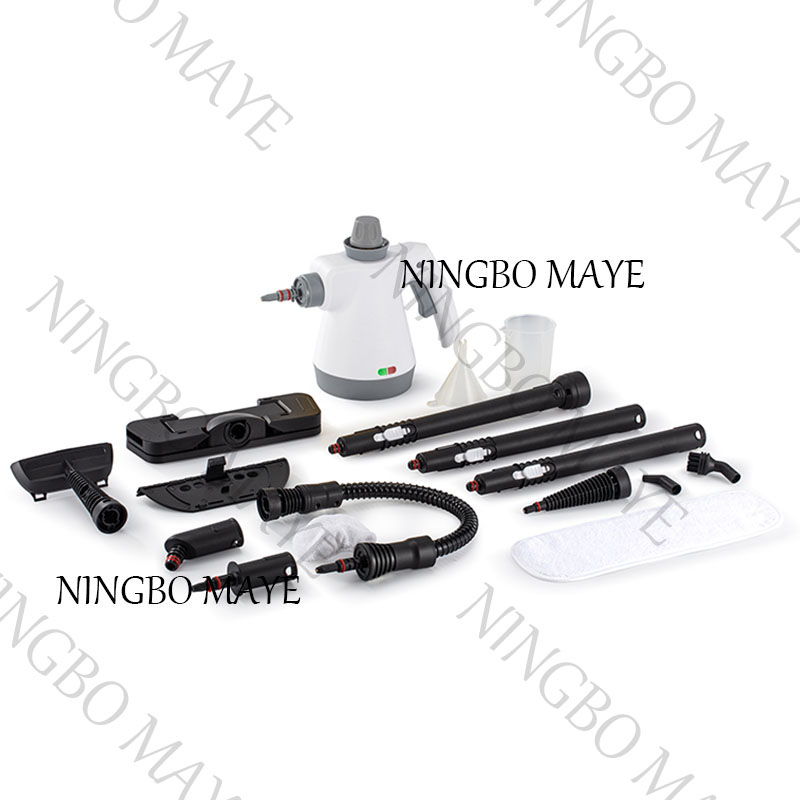 Custom TMSC-001 Multi-function Handheld Portable Electric Steam Cleaner SupplierNingbo Maye Electric Appliance Technology Co., Ltd. is China TMSC-001 Multi-function Handheld Portable Electric Steam Cleaner Suppliers a...View Product →
The best steam cleaner is not the most expensive one or the most powerful one; it is the one that fits the jobs you actually do. Start by listing your five most frequent cleaning problems. If they are mostly kitchen grease and bathroom scale, a handheld or a small canister with strong accessories will serve you well. If they are large sealed floors, a steam mop or canister with a proper floor tool is the priority. If you clean a car, a boat, or stairs, portability and a long hose matter more than tank size.
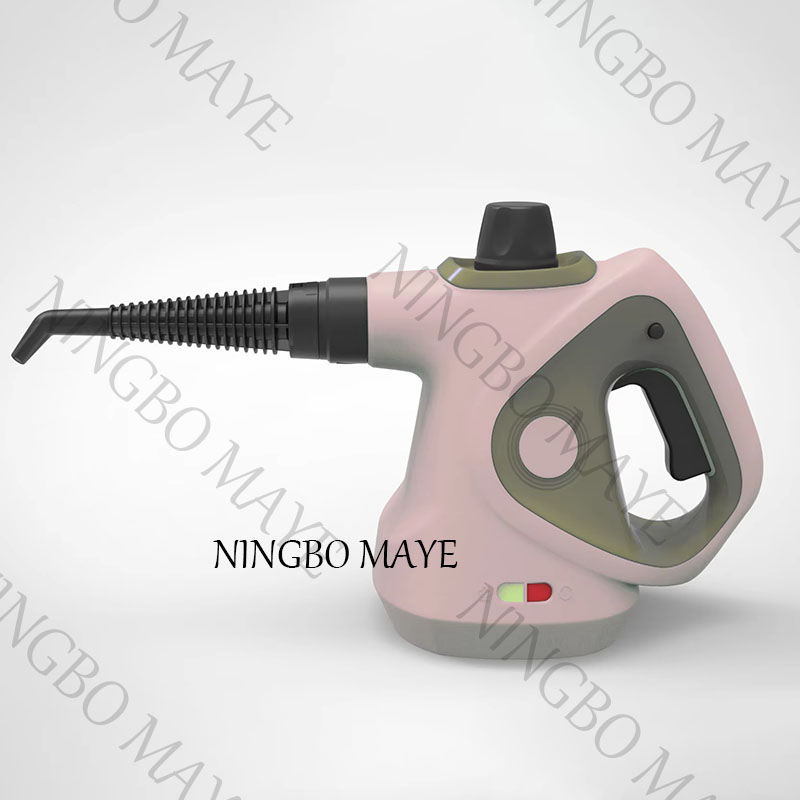
Handheld steam cleaners are the most popular entry point because they are small, heat up quickly, and cost less than canister units. They shine at counters, showers, ovens, grout touch-ups, and upholstery spot cleaning. The trade-off is run time: a compact boiler cannot produce steam for very long, so you will refill several times during a whole-home cleaning session. For many households this trade-off is acceptable because steam cleaning is a spot-and-sanitize job, not a daily chore. A compact unit such as the TM168 handheld steam cleaner, for example, belongs on the shortlist for household spot cleaning. When you shop for a handheld, pay attention to the release valve and the seal quality; these are the parts that fail first in cheap units. You can also read the key considerations when choosing a handheld steam cleaner to see which details to inspect before you buy.
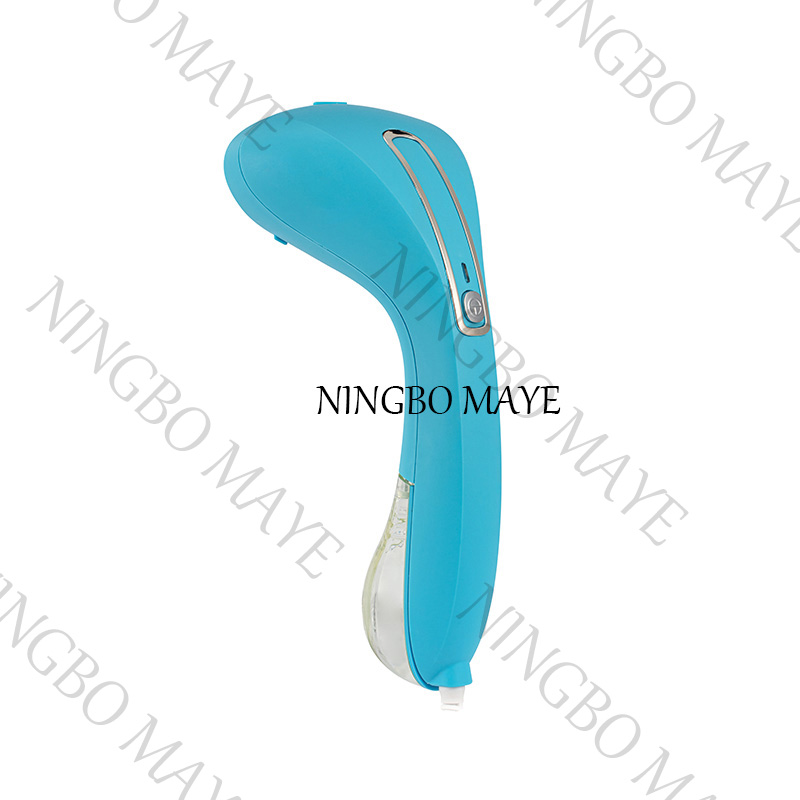 Custom TM-168 1100W 4-in-1 High Temperature Pressure Handheld Steam Vacuum SupplNingbo Maye Electric Appliance Technology Co., Ltd. is China TM-168 1100W 4-in-1 High Temperature Pressure Handheld Steam Vacuum Supplier...View Product →
A canister unit separates the boiler from the handle, so the boiler sits on the floor or on wheels while you carry only the hose and the tool. This gives you a larger tank, higher pressure, and continuous steaming for long periods. Canister machines are the right choice for whole-home cleaning, especially if you have a lot of tile, large bathrooms, or a kitchen that needs regular degreasing. The disadvantages are weight, price, and storage space. If you rent, live in a small apartment, or clean mainly one room, a canister machine is probably overkill.
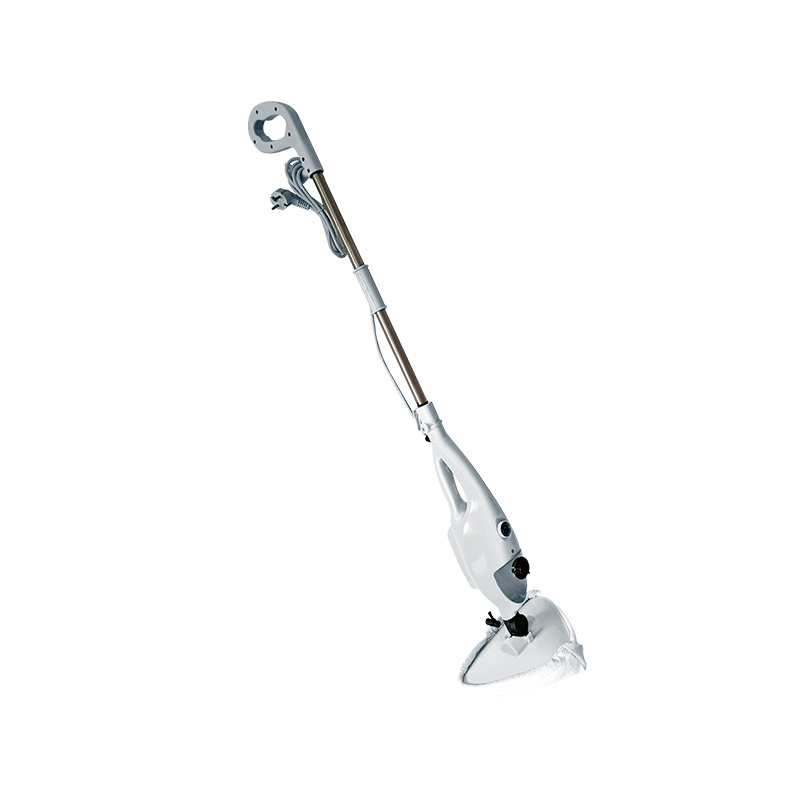
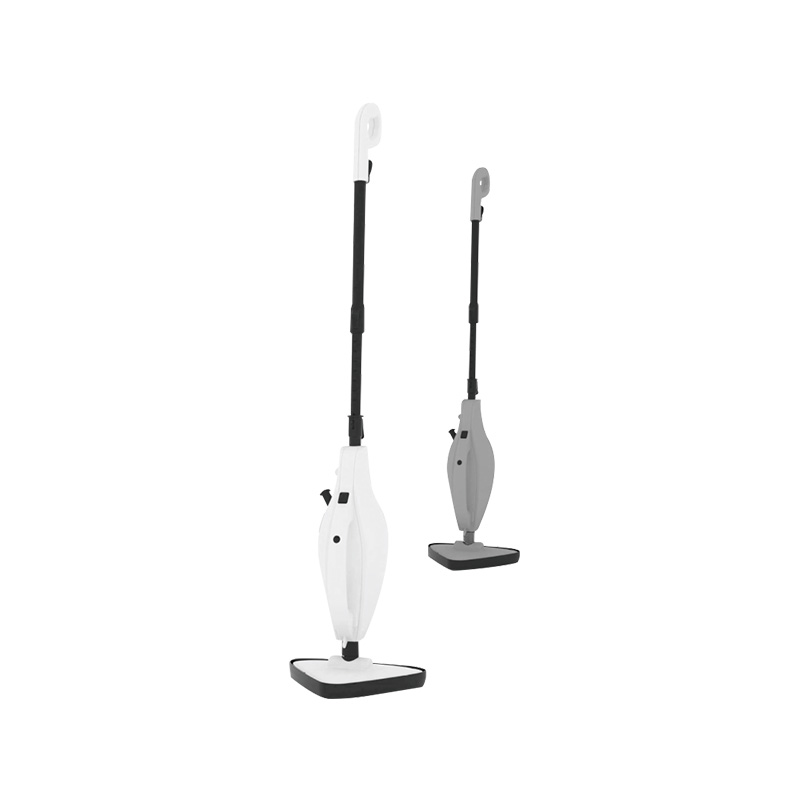
Steam mops are the fastest option for sealed hard floors. You fill the small reservoir, press a button, and push the mop across the floor, which steams and wipes in a single pass. Steam vacuum mops add suction, so the dirty water is collected instead of staying on the floor. These machines are convenient, but they are also limited: most have a small tank, and none of them can clean grout, upholstery, or the inside of an oven. For many households, the realistic combination is a steam mop for daily floors and a handheld unit for everything else.
Whichever form factor you choose, check the safety certifications, the availability of spare parts, and the warranty terms before paying. For a floor-cleaning tool, also check the cloth pad design, because cheap pads wear out, slip, or dry out quickly. If you are buying in volume for a store or a cleaning service, the same checks apply at a different level: you need a supplier with consistent batch quality, documented test reports, and a spare-parts commitment that lasts longer than the first sell-through.
Technique matters more with steam than with any other cleaning method, because the machine only delivers heat and moisture; you control where it goes and how long it stays. This workflow works for the majority of household jobs.
It is tempting to skip the vacuum, but pre-cleaning protects both the surface and the machine. Dry dust and pet hair on a sealed floor will be pushed into clumps by the steam, and those clumps can clog the narrow nozzle or leave streaks that you have to wipe again. On upholstery, loose debris will be driven deeper into the fabric by the steam pressure. A two-minute vacuum pass before steaming saves ten minutes of wiping and keeps the cloths and brushes clean, which also extends their life.
The most common beginner mistake is treating a steam cleaner like a vacuum and moving quickly. Steam softening is time-dependent. On a smooth sealed tile, five to ten seconds of contact is enough; on greasy grout, allow twenty to thirty seconds; on baked-on oven soil, be prepared to repeat the pass two or three times. When the soil softens, it becomes visibly loose and dull, and that is the moment to wipe or brush it off. Wiping in one direction with a clean section of cloth prevents redepositing the soil, and on vertical surfaces gravity will carry released grime downward, so work from top to bottom.
Steam cleaners are often advertised as leaving surfaces dry, but the honest answer is that they leave surfaces damp. Hard, smooth surfaces dry in minutes because the water film is thin. Fabrics and mattresses take much longer, so schedule upholstery and mattress steaming in the morning or early afternoon, and open a window or run a fan to help. Never put a wet cushion back onto a sofa, and never make a bed immediately after steaming the mattress. The drying time is also why steam cleaning is not a good last-minute pre-guest trick for upholstered furniture.
Most steam cleaner damage, on both floors and machines, comes from a small set of predictable errors. Knowing them in advance will save you repairs, and in some cases the cost of a new floor.
From a manufacturer's perspective, these mistakes are the usual causes of returns and warranty claims. That is why established suppliers put clear warnings and maintenance instructions in the manual, and why retail buyers should check that the documentation is complete in every language they sell in. A machine that fails because of tap water is not a defective machine, but it is a disappointed customer, and clear communication prevents both.
Steam is genuinely hot, and the temperatures that make it such a good cleaner are the same temperatures that cause serious burns. A nozzle delivering 130 to 170 °C will injure skin instantly, so keep children and pets away while the unit is hot, never point the nozzle at people or animals, and store the machine out of reach. Refill the tank only after the unit has cooled and the pressure has been released. Electrical safety matters too: steam cleaners contain water and power in the same housing, so use a dry hand to connect or disconnect the cord, keep the unit away from full sinks and bathtubs, and inspect the cord and plug for wear before each use.
A steam cleaner is a small pressure appliance, and it rewards routine care. After every use, empty the reservoir, leaving no water standing in the boiler, and dry the nozzle. Every few weeks, check the brushes and cloth pads for trapped hair and lint, and clean or replace them if they are worn. Every one to three months, depending on your water hardness, descale the boiler using the method in the manual, usually a dilute solution of citric acid or vinegar followed by several fresh-water flushes. Check the sealing rings around the pressure valve and the tank lid, because a worn seal is the most common cause of steam leakage and pressure loss. Store the unit upright with the nozzle clear of anything that could melt. Following these steps takes less than ten minutes per month and typically doubles the useful life of the machine.
If you are new to steam cleaning, or if you want to understand how the different handheld designs compare before choosing one, a complete guide to handheld steam cleaners explains the variations in boilers, nozzles, and maintenance routines in one place.
Steam cleaners are a mature export category, and the difference between a good supplier and a weak one shows up not in the product photos but in the manufacturing process, test data, and after-sales support. Retailers, importers, and private-label buyers should evaluate the same fundamentals they would for any electrical appliance: design control, batch quality, chemical and electrical compliance, and documentation.
As a household appliance manufacturer with an in-house injection molding shop and an engineering team, we are used to being judged on these criteria. Our production site covers about 23,000 square meters and operates a dedicated injection molding workshop, assembly lines, and warehouse space, which means plastic housings, handles, and internal parts are produced and inspected under the same roof. This level of vertical integration makes it easier to control dimensions, color consistency, and assembly tolerances than when components are sourced from several suppliers. For a retail partner, that translates into fewer out-of-box failures and a more predictable arrival quality.
Buyers should ask for three things before signing a purchase order. First, test reports and certificates: CE, GS, RoHS, PAHS, and other marks that prove the product meets the requirements of the destination market. Second, factory audit documentation, such as ISO 9001 and customer audits similar to those conducted by major European retail chains, because these verify that quality management runs beyond the final inspection table. Third, a clear spare-parts and after-sales commitment, including nozzles, brushes, tanks, and seals, because the availability of spare parts strongly influences the cost of warranty claims over the product's lifetime.
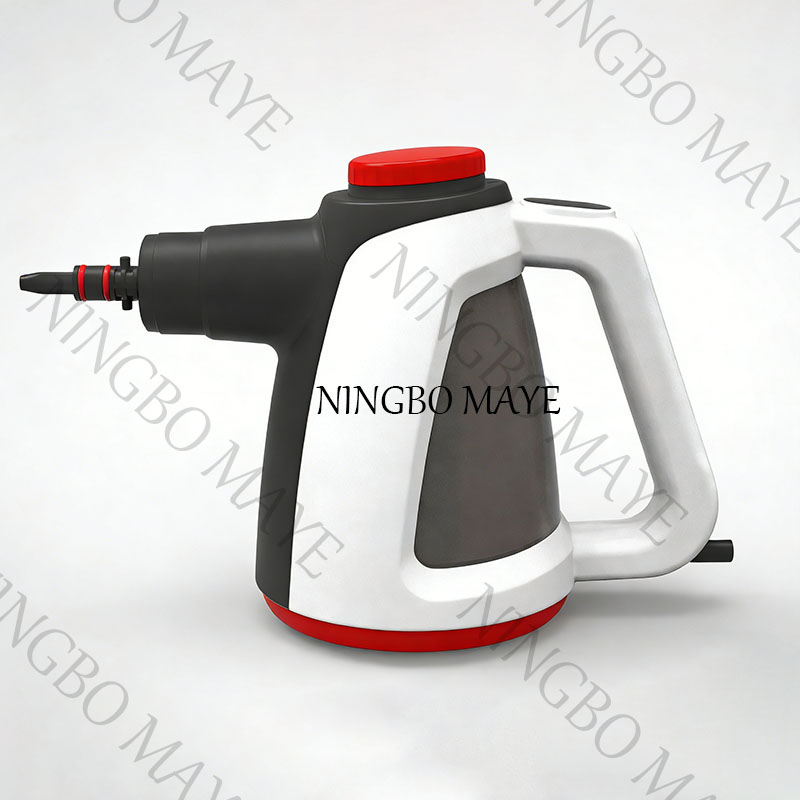
For assortment planning, a sensible starting point is to combine a compact handheld unit with a second household model, so that retail customers can cover both spot cleaning and larger areas. A practical pairing might be a compact handheld model and a household unit such as the TM388 steam cleaner in the same lineup, so that the user manual and spare-parts inventory stay simple. When you negotiate the supply agreement, also confirm how the manufacturer handles design changes, because a silent component swap can change steam performance and create a compliance headache later.
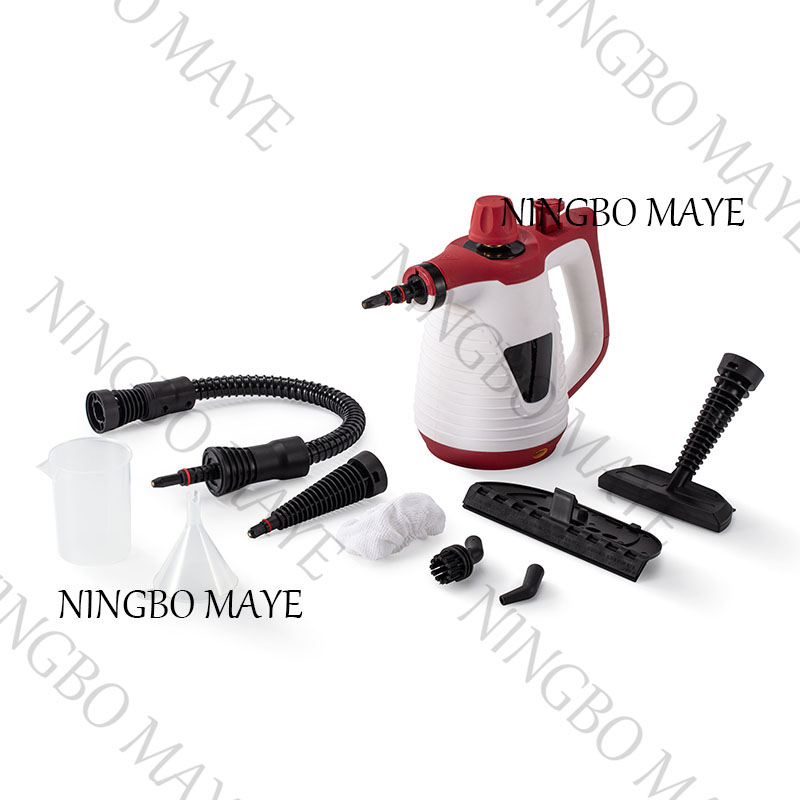 Custom TM-388 Handheld Multi-Surface Natural Steam Cleaner for Home Use SupplierNingbo Maye Electric Appliance Technology Co., Ltd. is China TM-388 Handheld Multi-Surface Natural Steam Cleaner for Home Use Suppliers a...View Product →
Finally, request the actual performance data for the specific model you intend to order, not just the marketing sheet. Measured nozzle temperature, continuous steam time with a full tank, and the descaling interval recommended for your water hardness are the three numbers that predict whether the product will generate repeat purchases or warranty claims.
Steam vacuuming is the most direct way to deep-clean and sanitize sealed hard surfaces and washable upholstery without buying another bottle of chemical cleaner. It removes grease, soap scum, scale, and allergens with nothing but water, and it does so with a level of heat that no mop bucket can match. It is not a replacement for a vacuum cleaner, and it is not the right tool for deep carpet extraction, but in the homes and facilities where it is used well, it quickly becomes the tool that is reached for first.
The practical conclusions are easy to remember. Vacuum before you steam. Use distilled water. Choose the machine for your dominant surface, not for the longest feature list. Compare pressure, flow, nozzle temperature, heat-up time, and continuous steam time, and ignore wattage. Move slowly enough for the heat to do its work, wipe what the steam loosens, and dry what you have cleaned. Maintain the boiler with regular descaling, and buy from a manufacturer whose certifications, test data, and spare-parts commitment match the claims on the box. Whether your problem is a juice-stained sofa, a greasy range hood, or a bathroom that never feels clean, steam cleaning is a proven answer, and the technique is easier than the marketing makes it sound.
Related Products

Address
East Zone Development Zone Lingshan Town Yuyao City Zhejiang P.R.C.
Tel
+86-18905840666 / +86-574-62067822
+86-15905848828
QR CODE
 Wholesale Multifunctional Steam Cleaner Manufacturers

 English
 Español