2026-03-12
A handheld steam cleaner heats water in an internal boiler or flash heating element until it becomes pressurized steam, then directs that steam through an attached nozzle or accessory onto the surface being cleaned. The cleaning action works through three simultaneous physical mechanisms: thermal energy loosens and melts grease, wax, and food residues that are bonded to the surface; mechanical pressure forces the steam into surface pores and crevices where cloth wiping cannot reach; and the high temperature moisture vapor kills bacteria, viruses, and mold spores on contact without requiring any chemical agent to act as a carrier or active ingredient.
Research published in peer reviewed hygiene literature has demonstrated that steam at 100 degrees Celsius kills 99.9 percent of common household bacteria including Escherichia coli, Staphylococcus aureus, and Salmonella on hard surfaces within 3 seconds of contact. The US Environmental Protection Agency (EPA) classifies steam cleaning as an effective disinfection method under its Design for the Environment program, recognizing that thermal disinfection at sufficient temperature and dwell time achieves pathogen reduction equivalent to chemical disinfectants on non porous surfaces without introducing chemical residues into the environment or the home.
Handheld steam cleaners use one of two internal heating designs, and the choice between them has practical consequences for heat up time, continuous steam time, and the adjustability of steam output:
For most household users who want a lightweight handheld steam cleaner for quick cleaning of kitchen surfaces, bathroom tiles, mirrors, upholstery, and small floor areas, a flash heating unit in the 1,000 to 1,500 watt range with a 250 to 400 milliliter water tank provides the right balance of convenience and performance. Users who prioritize deep cleaning of grout lines, oven interiors, and heavily soiled tiles, or who want to clean for 30 minutes or more between refills, should consider a larger capacity boiler type unit even if it requires a longer initial wait before cleaning begins.
The marketing language surrounding handheld steam cleaners and portable steam cleaners frequently emphasizes features such as steam burst modes, high wattage ratings, and the number of included accessories without making it easy to compare the core performance specifications that determine how well the unit actually cleans. Understanding what each specification means and what values are adequate for different cleaning tasks is the most useful preparation for a buying decision.
Steam temperature at the nozzle is the primary determinant of the unit's ability to sanitize surfaces and loosen hardened deposits. Water boils at 100 degrees Celsius at atmospheric pressure, but steam delivered from a pressurized boiler at 3 bar is superheated and exits the nozzle at 120 to 145 degrees Celsius, which is significantly more effective at killing pathogens and melting grease than saturated steam at exactly 100 degrees Celsius. Quality handheld steam cleaners produce steam at 120 to 145 degrees Celsius, which is sufficient for sanitizing food contact surfaces, killing dust mite populations in soft furnishings, and removing limescale deposits from taps and shower screens. Budget units that produce steam at close to 100 degrees Celsius are less effective on these applications and may not reach the temperature threshold required for pathogen kill on surfaces where the steam cools before making adequate contact.
Steam pressure at the nozzle determines the mechanical force delivered to the surface. Higher pressure makes the steam jet more effective at penetrating porous surfaces such as grout, fabric, and carpet pile, and at dislodging debris from textured surfaces where low pressure steam simply does not have the kinetic energy to remove soiling that is physically trapped rather than chemically bonded. A minimum operating pressure of 2.5 to 3 bar at the nozzle is recommended for effective grout cleaning and heavy kitchen degreasing tasks; for general surface wiping and sanitizing, 1.5 to 2 bar is adequate.
The water tank capacity of a handheld steam cleaner directly determines how long it can operate before requiring a refill. At typical steam output rates of 20 to 40 grams of steam per minute, a 300 milliliter water tank provides approximately 8 to 15 minutes of continuous steam time, and a 500 milliliter tank provides 12 to 25 minutes. These are the real operational parameters that determine whether a handheld steam cleaner is practical for the cleaning tasks in a given household.
For quick daily cleaning tasks such as wiping kitchen counters, sanitizing a sink, and spot cleaning a stovetop, a 200 to 300 milliliter tank is entirely adequate and keeps the unit compact and lightweight. For a cleaning session that covers a bathroom, kitchen surfaces, and a hallway floor, a tank of 400 to 600 milliliters reduces the number of interruptions for refilling and makes the session more efficient. Units with continuous refill capability (typically flash heating designs where the tank is not pressurized) remove the refill constraint entirely but may require a nearby water source to be practical for extended sessions.
A truly lightweight handheld steam cleaner for quick cleaning tasks should weigh no more than 1.0 to 1.5 kilograms with water, allowing it to be held and maneuvered with one hand for the typical 5 to 20 minute cleaning session without causing fatigue. Units in the 1.5 to 2.5 kilogram range are practical for most users for sessions up to 30 minutes but become tiring during extended overhead cleaning of kitchen tiles or ceiling fans. Units above 2.5 kilograms are best used with both hands or as part of an upright system with a handle extension rather than as true handheld tools.
Ergonomic factors beyond weight include the shape and texture of the grip, the position of the trigger relative to the natural grip position, the length and flexibility of any extension hose, and the ease of attaching and removing accessories. Units with a narrow waist grip that fits a range of hand sizes, a trigger positioned for index or middle finger operation without wrist extension, and secure push on accessory connections that do not loosen during use are consistently rated higher in user satisfaction reviews than technically comparable units with poor ergonomic design.
Wattage rating indicates the electrical power consumption of the steam cleaner, which correlates with the rate at which the unit can generate steam. Higher wattage units generate steam faster (shorter heat up time) and can maintain a higher steam output rate without the steam becoming progressively wetter and less effective as the heating element struggles to keep pace with the steam demand. However, wattage above a certain threshold provides diminishing returns for handheld steam cleaner performance because the nozzle geometry and accessory design become the limiting factors on steam delivery to the surface.
A wattage of 1,000 to 1,500 watts is the practical optimum range for handheld portable steam cleaners used in home settings, providing sufficient steam generation rate for effective cleaning while drawing a power level that is within the capacity of standard household electrical circuits. Units above 2,000 watts are designed for commercial applications where the higher steam output justifies the greater electrical draw, and the added performance over a 1,500 watt unit on domestic cleaning tasks is marginal for most users.
One of the most common applications for a portable steam cleaner in the home is floor and surface cleaning, and the steam cleaning method produces results that mopping with chemical cleaners often cannot match on grout lines, textured tile surfaces, and floor surfaces with embedded debris. Understanding how to use the steam cleaner correctly on different floor and surface types ensures effective cleaning without damaging the surface finish.
Ceramic and porcelain tile floors are the most suitable and most forgiving surface for steam cleaning. The vitrified surface of ceramic tile is fully impermeable to water and unaffected by steam temperatures in the range produced by domestic steam cleaners, and the grout lines that trap soil, mold, and bacteria between tiles are precisely the type of surface where the penetrating action of pressurized steam outperforms chemical cleaners applied by mop or spray. For floor steam cleaning, attach the floor cleaning head (a wide flat head that distributes steam over a microfiber pad) to an extension rod to maintain an upright posture, and move the head slowly at approximately 30 centimeters per second to allow the steam to penetrate and the pad to wipe away the released soiling.
Natural stone floors including marble, travertine, and limestone require more caution. Marble and limestone are calcium carbonate based stones that are chemically reactive with acids, and while steam itself is not acidic, the high pressure steam jet can force water into the micro pores of unsealed or poorly sealed natural stone and expand the stone's natural micro fractures over time with repeated use. For sealed natural stone floors, steam cleaning at reduced pressure is safe and effective; for unsealed stone floors, use steam with a microfiber pad rather than a direct nozzle jet, and limit session frequency to monthly or less frequent deep cleaning rather than daily or weekly use.
Luxury vinyl tile (LVT) and vinyl plank flooring can be steam cleaned with caution. The adhesive layer beneath floating vinyl plank floors can be affected by prolonged steam exposure that forces moisture into the seams between planks; use the steam floor head moving continuously without stopping over any single area, and keep the steam setting at medium rather than maximum output to minimize the moisture introduced at the seam edges.
The kitchen is the area of the home where a handheld steam cleaner delivers the most dramatic results compared to conventional chemical cleaning methods. Baked on grease on stovetop surfaces, residues in the joints between the cooktop and the surrounding counter, and carbonized food deposits on oven racks and interior walls are exactly the soiling types that steam cleaning excels at removing. The heat softens the deposit, the pressure loosens it from the surface, and the microfiber cloth on the nozzle wipes it away in a single pass where multiple applications of chemical degreaser and mechanical scrubbing would previously have been required.
For oven interior cleaning, remove the oven racks and clean them separately outside the oven, using a concentrated steam jet from the pointed nozzle to loosen carbonized deposits before wiping with the cloth covered nozzle. Inside the oven cavity, use the standard angled nozzle to direct steam onto the walls, roof, and floor, working from the top surface downward so that loosened deposits fall onto the oven floor where they can be wiped up last. Steam cleaning an oven interior typically takes 15 to 20 minutes and requires no chemical oven cleaner, eliminating both the caustic chemical exposure during cleaning and the residual chemical smell during the subsequent oven heat up cycle.
Bathroom tile and grout cleaning is one of the most compelling use cases for a portable steam cleaner. Grout lines harbor mold, soap residue, and mineral deposits from hard water that are resistant to spray cleaners and difficult to remove by scrubbing alone. The combination of high temperature steam and pressure penetrates the porous grout surface, kills mold spores at the root level, and loosens mineral deposits that scrubbing only spreads or scratches into the grout surface.
For grout line cleaning, use the pointed nozzle or a dedicated grout cleaning brush attachment to direct a concentrated jet of steam along the grout lines. Move along each line at a pace of approximately 5 to 10 centimeters per second to ensure adequate dwell time, then wipe immediately with a clean microfiber cloth before the released soiling redeposits on the tile surface. For shower screens with hard water mineral deposits, direct steam onto the glass surface and immediately wipe in a circular motion with a microfiber cloth; the mineral deposits soften under the heat and the cloth lifts them without the smearing that occurs when the same cloth is used on a cold wet surface.
The environmental argument for a handheld steam cleaner as a chemical free cleaning system is grounded in quantifiable facts rather than marketing claims, and it is more compelling than many buyers initially realize. A typical household uses 10 to 30 different cleaning products covering surface cleaners, floor cleaners, bathroom sprays, kitchen degreasers, disinfectants, and glass cleaners. Each of these products involves the manufacturing, packaging, transport, and disposal of its chemical contents and its plastic container, and collectively they represent a meaningful environmental footprint that most households do not consciously evaluate.
A study published in the journal Environmental Science and Technology found that common household cleaning products are a significant source of volatile organic compound (VOC) emissions within the home, with some product categories releasing compounds at concentrations that exceed outdoor air quality standards even when used as directed in ventilated spaces. The same study noted that the contribution of cleaning product VOCs to total household air pollution is comparable in magnitude to cooking related VOC emissions, which most homeowners consider their primary indoor air quality concern. Replacing spray based chemical cleaners with steam for routine surface cleaning, where steam achieves equivalent or superior cleaning and sanitizing results, directly reduces this VOC exposure for household occupants.
Steam cleaning uses significantly less water per session than conventional mopping. A typical floor mopping session for a medium sized kitchen and bathroom uses 5 to 10 liters of water, much of which is discarded as dirty mop water after the cleaning session. A handheld steam cleaner with a 400 milliliter tank uses 0.4 liters of water per full tank to clean the same area, with essentially no waste water generated because virtually all the water is converted to steam and evaporates into the air during cleaning. Over the course of a year, switching from conventional mopping to steam cleaning for weekly floor and surface maintenance can reduce household water use for cleaning by 200 to 500 liters, depending on the size of the area cleaned per session and the frequency of cleaning.
The reduced water use also means that floors and surfaces dry more quickly after steam cleaning than after mopping. The thin film of condensate left by a steam cleaning pass evaporates within minutes on well ventilated surfaces, whereas a mopped floor may remain damp for 30 to 60 minutes, creating a slip hazard and an environment that allows residual bacteria to survive in the moisture film if the cleaning did not fully disinfect the surface.
The plastic waste generated by household cleaning product consumption is a measurable and reducible environmental impact. An average household in a developed country discards 40 to 80 plastic cleaning product containers per year, each requiring energy to manufacture and either recycling process energy or landfill space to dispose of. A household that switches its routine surface, floor, bathroom, and kitchen cleaning to a handheld steam cleaner can eliminate the majority of these containers, retaining chemical products only for tasks where steam cleaning is genuinely not suitable, such as toilet bowl interior cleaning and mold treatment on porous materials.
The running cost comparison further reinforces the environmental and economic case. Tap water at average utility rates costs approximately USD 0.001 to 0.003 per 400 milliliter tank fill, making the consumable cost of a full steam cleaning session under USD 0.01. The equivalent cleaning session using branded spray cleaners, disinfectant wipes, and glass cleaner would cost USD 1 to 5 depending on the products used and the surfaces covered, and would generate multiple items of packaging waste in the process.
The effectiveness of steam cleaning on a wide range of surfaces can create an impression that it is universally safe, but there are important categories of surface and material where steam cleaning causes damage that is difficult or impossible to reverse. Understanding these exclusions is as important as knowing where steam cleaning excels, because a single session of steam cleaning on an inappropriate surface can cause warping, delamination, staining, or permanent finish damage.
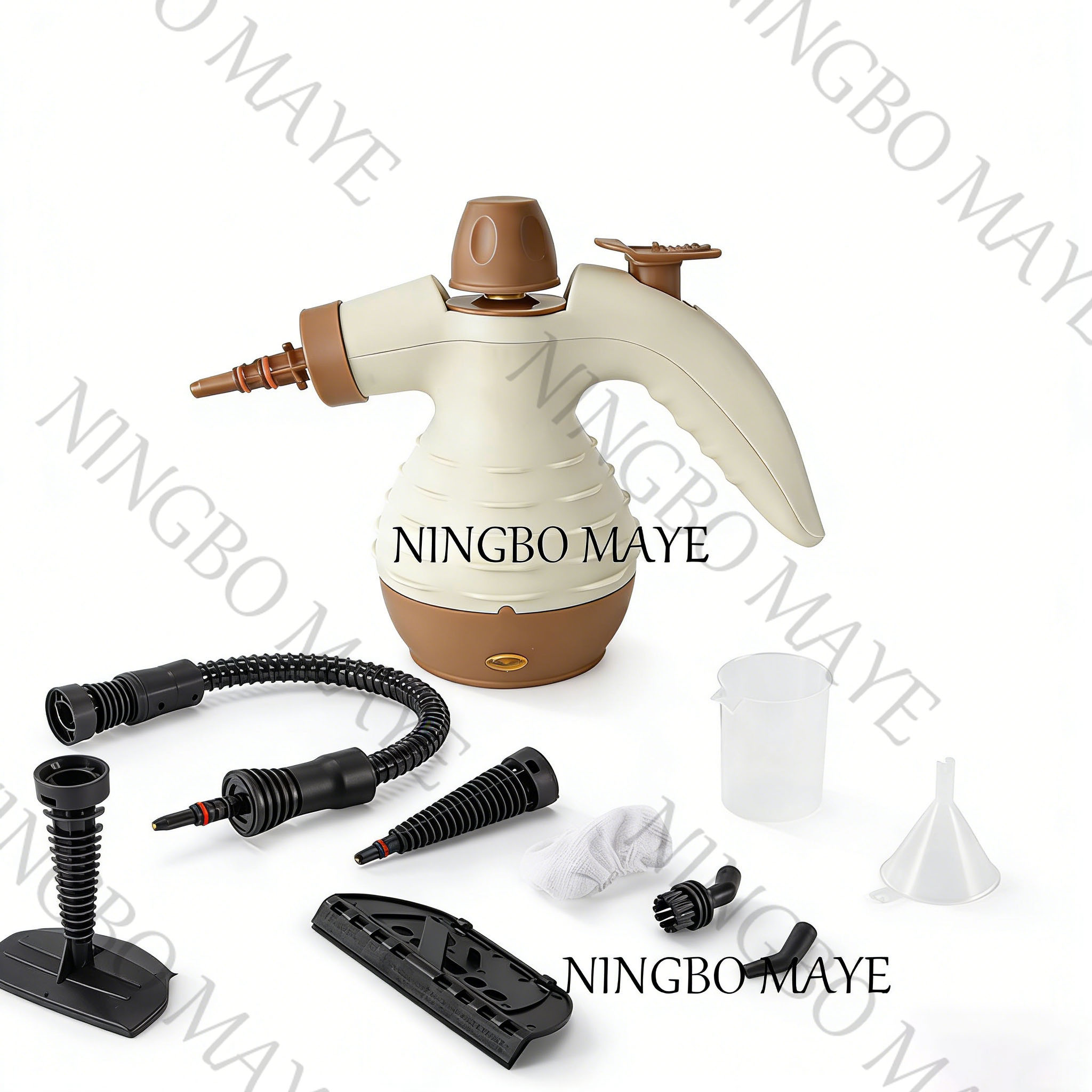
The accessory set supplied with a handheld steam cleaner determines the range of surfaces and tasks it can address effectively, and a well chosen accessory set can extend the useful range of a single unit from basic surface wiping to a comprehensive home cleaning system covering floors, upholstery, grout, windows, and clothing. The core accessories found in quality handheld steam cleaner packages and their specific functions are:
The quality of accessories varies significantly between product tiers. The microfiber pads supplied with quality steam cleaners are typically 300 to 400 grams per square meter in density, providing adequate absorption and a slightly abrasive face for cleaning without surface scratching; budget pads at 150 to 200 grams per square meter hold less soiling, require more frequent rinsing during sessions, and often shed fibers that contaminate the cleaned surface. The brush bristle material matters as well: nylon bristles at 0.2 to 0.3 mm diameter provide good scrubbing action without scratching glazed tile and enameled surfaces, while harder polypropylene bristles or coarser nylon diameters can leave fine scratches on polished surfaces if pressed firmly during cleaning.
The following table summarizes the key performance parameters across the main product tiers available in the handheld and portable steam cleaner market, to help buyers identify which specification range aligns with their intended usage pattern.
| Specification | Entry Level | Mid Range | Premium |
|---|---|---|---|
| Wattage | 600 to 800 W | 1,000 to 1,200 W | 1,400 to 1,600 W |
| Heat up time | 50 to 90 seconds | 25 to 45 seconds | 20 to 30 seconds |
| Steam temperature | 100 to 108 degrees C | 110 to 125 degrees C | 125 to 145 degrees C |
| Steam pressure | 1.0 to 1.5 bar | 2.0 to 3.0 bar | 3.0 to 5.0 bar |
| Water tank capacity | 150 to 250 ml | 300 to 450 ml | 500 to 800 ml |
| Continuous steam time | 5 to 10 minutes | 10 to 20 minutes | 20 to 40 minutes |
| Weight (with water) | 0.8 to 1.2 kg | 1.2 to 1.8 kg | 1.5 to 2.5 kg |
| Typical accessory count | 3 to 5 pieces | 8 to 12 pieces | 15 to 20 pieces |
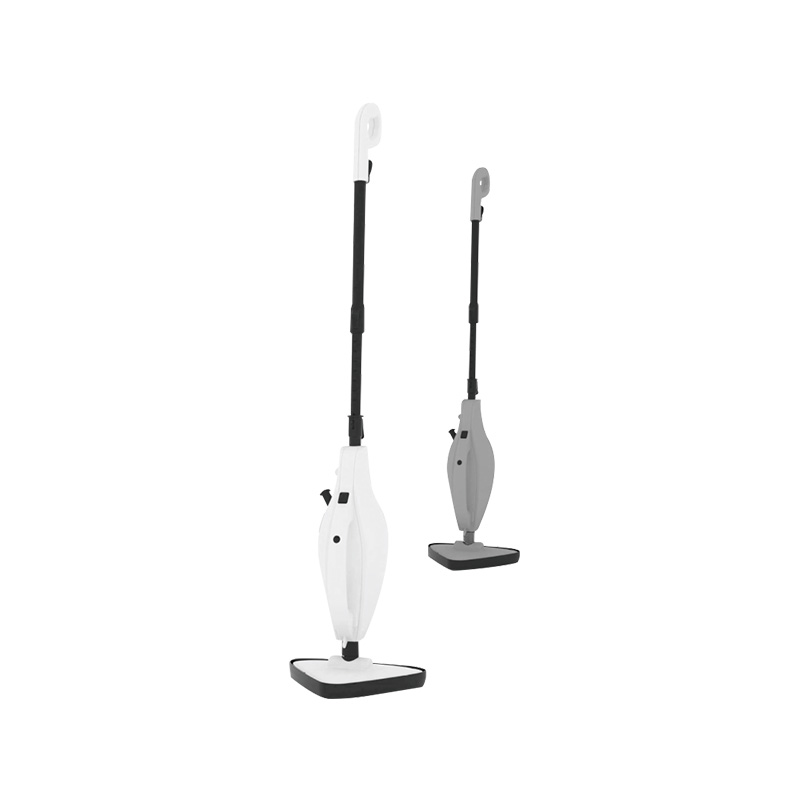
Some portable steam cleaners are supplied as standalone handheld units with only short extension nozzles, while others are designed as convertible systems that include both a handheld configuration for surfaces and a pole and floor head configuration for floor cleaning. For households where the steam cleaner will primarily be used for quick surface spot cleaning tasks (wiping down stovetops, sanitizing bathroom fixtures, removing spots from upholstery), a purpose built compact handheld unit is lighter, easier to store, and more convenient to pick up and use for a 5 to 10 minute task. For households that want to replace both their floor mop and their surface cleaning products with a single steam cleaning system, a convertible unit that transitions between handheld and upright configurations provides more comprehensive coverage without requiring two separate appliances.
A handheld steam cleaner that is used regularly with tap water in a hard water area will accumulate limescale deposits in its internal heating element and water passages over time, progressively reducing steam output, increasing heat up time, and eventually blocking the nozzle or damaging the heating element if left unaddressed. Understanding the descaling requirement and the correct procedure for meeting it is essential for preserving the long term performance of any steam cleaning appliance.
The most effective long term approach to managing limescale in a handheld steam cleaner is to use distilled water or water filtered through a demineralization filter, which removes the calcium and magnesium ions that form limescale deposits when water is evaporated. In areas with water hardness above 200 milligrams per liter (20 degrees dH, classified as very hard water), using distilled or demineralized water can extend the interval between descaling treatments from 2 to 4 weeks with tap water to 6 months or longer, significantly reducing maintenance time and the wear on internal components caused by the descaling process itself. Distilled water is available from supermarkets and automotive suppliers, or can be produced at home using a countertop distiller at a cost of approximately USD 0.05 to 0.10 per liter.
When using tap water or when scale buildup becomes evident (reduced steam output, spitting of water droplets from the nozzle, or visible white deposits at the nozzle), descale the unit using a diluted citric acid solution, which is the preferred descaling agent for most steam cleaner manufacturers because it is food safe, effective at dissolving calcium carbonate, and does not corrode the stainless steel and brass internal components of quality steam cleaners. White vinegar is a widely recommended alternative but its acetic acid concentration varies between products and its strong odor may linger in the steam for several sessions after treatment.
Regular attention to the microfiber cleaning pads is equally important for maintaining cleaning performance. Pads that are saturated with absorbed soil and grease stop transferring dirt from the surface to the pad and instead spread contamination. Wash microfiber pads in a washing machine without fabric softener (which coats the fibers and destroys their absorbency) after every 2 to 3 cleaning sessions, and replace pads that have developed permanent gray staining, torn edges, or reduced absorbency due to accumulated residue that washing does not fully remove. A supply of 6 to 10 clean pads ensures that a fresh pad is always available for the start of each cleaning session without waiting for the previous pad to be washed and dried.
The following table provides a practical quick reference for the most common household surfaces and materials, indicating compatibility with steam cleaning and any conditions or precautions that apply.
| Surface or Material | Steam Compatible? | Conditions and Precautions |
|---|---|---|
| Ceramic and porcelain tile | Yes (excellent) | No precautions needed; ideal for grout lines |
| Sealed natural stone (marble, granite) | Yes (with care) | Use microfiber pad, not direct jet; check seal condition |
| Stainless steel surfaces | Yes (excellent) | Wipe immediately to prevent water spots |
| Glass windows and shower screens | Yes (excellent) | Use squeegee accessory for streak free results |
| Sealed hardwood floor | Caution only | Most manufacturers advise against; may void warranty |
| Laminate flooring | No | Steam causes swelling and delamination; voids warranty |
| Sealed luxury vinyl tile | Yes (with care) | Use medium steam setting; keep head moving continuously |
| Upholstery (cotton, polyester) | Yes | Test on hidden area first; use upholstery attachment |
| Velvet and pile fabrics | Caution only | Hold at distance; direct contact can flatten pile permanently |
| Painted walls | No | Softens and bubbles paint; suitable only for paint removal |
A handheld steam cleaner delivers its best value when it is matched to the surfaces and tasks where steam genuinely outperforms alternatives, used with the correct accessory for each task, and maintained with regular descaling and pad replacement to preserve its performance over years of use. The combination of chemical free operation, genuine pathogen reduction, reduced plastic waste, and lower running cost compared to bottled cleaning products makes a well chosen portable steam cleaner one of the most environmentally and economically sound cleaning investments a household can make. The key is selecting a unit with adequate steam temperature (above 120 degrees Celsius), sufficient tank capacity for the intended session length, and a comprehensive accessory set that covers the full range of surfaces in the home.
Related Products

Address
East Zone Development Zone Lingshan Town Yuyao City Zhejiang P.R.C.
Tel
+86-18905840666 / +86-574-62067822
+86-15905848828
QR CODE
 Wholesale Multifunctional Steam Cleaner Manufacturers

 English
 Español