2026-03-19
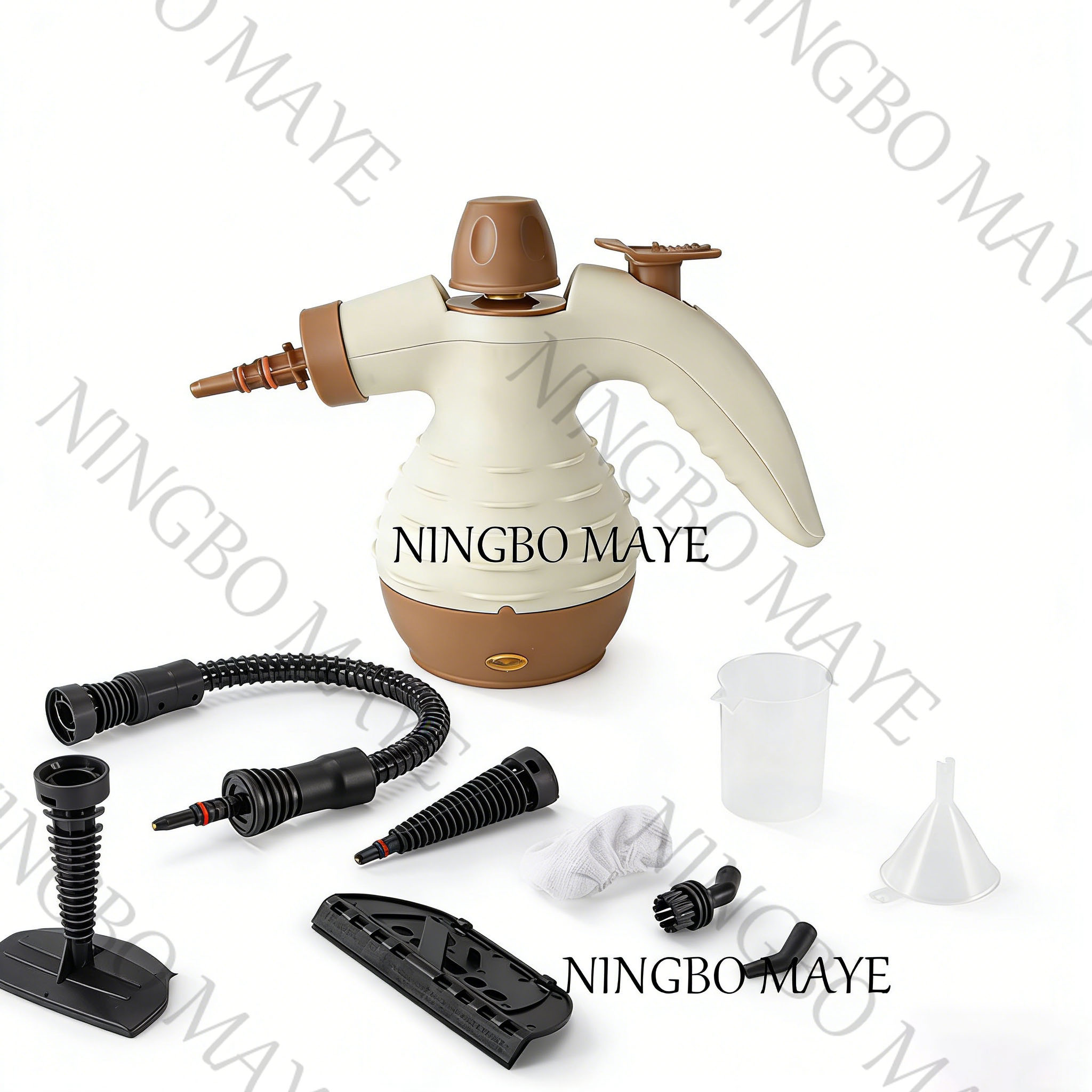
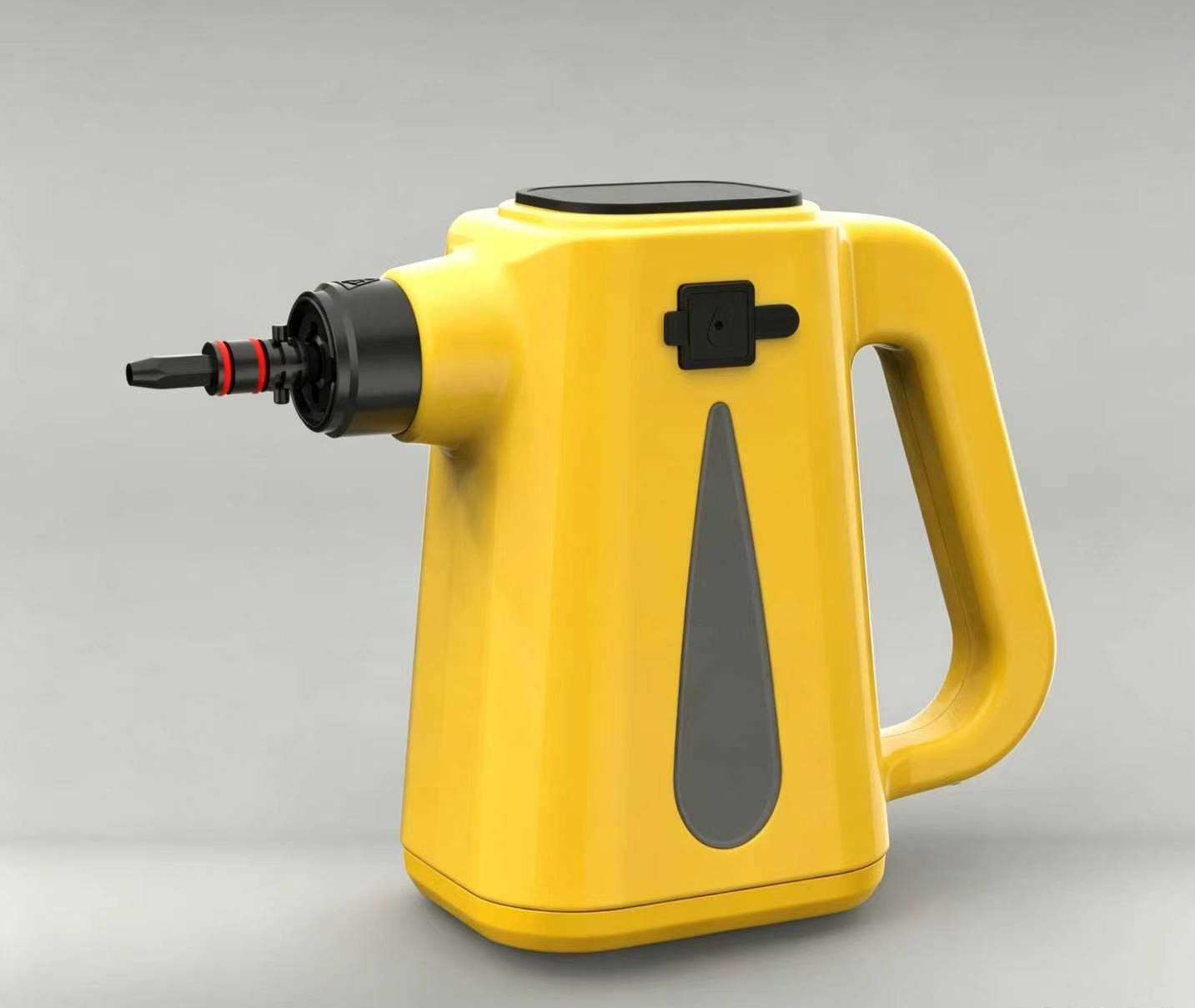
A handheld steam cleaner is a compact, portable cleaning device that generates pressurized steam from plain tap water or distilled water and directs it through a nozzle to loosen dirt, dissolve grease, and sanitize surfaces without any chemical cleaners whatsoever. A quality portable steam cleaner for home use eliminates up to 99.9% of common household bacteria on hard surfaces, making it one of the most genuinely useful cleaning tools available for kitchens, bathrooms, floors, upholstery, and a wide range of other surfaces. Whether you need a lightweight handheld steam cleaner for quick cleaning between sessions, a portable steam cleaner for cleaning floors and surfaces throughout the home, or an eco-friendly handheld steam cleaner for chemical-free cleaning in a household with children, pets, or allergy sufferers, this guide covers everything you need to make the right choice and use it effectively.
Understanding how a handheld steam cleaner works makes it easier to evaluate specifications and choose the right unit for your cleaning needs. The operating principle is straightforward: water in a reservoir is heated by an electric element until it reaches boiling point and beyond, creating pressurized steam. That steam travels through an internal tube and exits at the nozzle or attached tool with enough force and temperature to penetrate surface deposits, kill microorganisms, and lift soiling from grout lines, fabric fibers, and hard surfaces alike.
Portable steam cleaners use one of two heating approaches, and the difference affects your daily experience with the machine:
The sanitizing effectiveness of an eco-friendly handheld steam cleaner for chemical-free cleaning depends entirely on the temperature of the steam reaching the surface. Most household pathogens are destroyed at sustained temperatures above 70 degrees Celsius. Handheld steam cleaners operating at nozzle output temperatures between 120 and 160 degrees Celsius exceed this threshold by a significant margin. Research published in the American Journal of Infection Control demonstrated that steam cleaning at these temperatures achieved a six-log reduction, meaning a 99.9999% elimination rate of pathogens including E. coli and Staphylococcus aureus on hard surfaces, a result comparable to the performance of chemical disinfectants when applied with correct technique and appropriate dwell time.
The practical implication is that for genuine sanitization rather than simple surface cleaning, you need to move the nozzle slowly at approximately 1 centimeter per second and hold it 2 to 3 centimeters from the surface to allow sufficient thermal energy transfer. A fast pass delivers cleaning but not the dwell time necessary for full pathogen elimination.
One of the most practical reasons to own a portable steam cleaner for home use is its genuine versatility across a wide range of surfaces and tasks. Understanding which applications deliver the best results and which surfaces require caution helps you get maximum value from the tool.
The environmental and health case for using an eco-friendly handheld steam cleaner for chemical-free cleaning is stronger than most people realize. Conventional household cleaning products collectively contribute significant quantities of volatile organic compounds (VOCs), phosphates, surfactants, and synthetic fragrances to indoor air quality and wastewater systems. A study published in Environmental Science and Technology found that cleaning products contribute as many VOC emissions to urban air as motor vehicles on a per-liter-of-product basis, with indoor concentrations of these compounds often significantly exceeding outdoor levels during and after cleaning.
Switching to a portable steam cleaner for home use eliminates this chemical burden entirely for hard surface cleaning tasks. The only consumable is water, which means no plastic chemical bottles in landfill, no chemical residues on food preparation surfaces, no synthetic fragrance compounds circulating in the indoor air, and no accidental chemical contact risk for children and pets who spend time on cleaned surfaces after treatment. For households managing asthma, chemical sensitivities, or allergy conditions, the reduction in chemical exposure from eliminating routine surface cleaning products is a practical health benefit, not merely an environmental one.
The ongoing cost of operating a steam cleaner for home use is essentially the electricity to heat water. A 1,500-watt handheld steam cleaner running for 20 minutes uses 0.5 kWh of electricity, costing approximately 7 to 15 cents at typical residential electricity rates. Compare this to the weekly expenditure on bathroom cleaners, kitchen degreasers, floor cleaning solution, and fabric sanitizers that a portable steam cleaner can partially or fully replace. Households that switch to steam for most hard surface cleaning report annual cleaning product savings of $80 to $200 or more, which offsets a mid-range steam cleaner purchase within the first year of use.
The specifications that most directly predict real-world cleaning performance are often presented inconsistently or with inflated claims in product listings. The following breakdown explains what each specification actually means and what values to look for.
| Specification | Budget ($20 to $60) | Mid-Range ($60 to $150) | Premium ($150 to $300+) |
|---|---|---|---|
| Wattage | 800 to 1,000W | 1,000 to 1,300W | 1,300 to 1,800W |
| Steam Pressure | 1.5 to 2.0 bar | 2.0 to 3.5 bar | 3.0 to 5.0 bar |
| Heat Up Time | 3 to 5 minutes | 25 seconds to 2 minutes | 20 to 45 seconds |
| Tank Capacity | 150 to 250 ml | 250 to 400 ml | 350 to 500 ml |
| Continuous Steam Time | 8 to 12 minutes | 12 to 20 minutes | 20 to 30 minutes |
| Attachments Included | 2 to 5 | 6 to 12 | 10 to 20+ |
| Variable Steam Control | Rarely included | Some models | Standard feature |
| Weight | 0.5 to 1.0 kg | 0.7 to 1.3 kg | 0.9 to 1.5 kg |
Wattage determines how much water the heating element can vaporize per minute and how hot the steam is when it exits the nozzle. A 1,500-watt steam cleaner for home use produces measurably hotter and more forceful steam than a 900-watt unit, and this difference is directly visible in how quickly baked-on grease dissolves and how deeply steam penetrates grout. For serious cleaning tasks involving the bathroom, kitchen, or floors, aim for a minimum of 1,200 watts. For lighter work such as garment steaming, fabric refreshing, and quick surface spot cleaning, 1,000 watts is adequate.
The continuous steam time available before refilling determines whether a unit suits extended sessions or only brief, targeted cleaning. A 300 ml tank in a mid-range unit delivers approximately 15 to 18 minutes of continuous output, enough to clean a full bathroom in one session. For a portable steam cleaner for cleaning floors and surfaces across multiple rooms, a 400 ml or larger tank is preferable. Check whether the specific model allows mid-session refilling without needing to cool down completely first, because thermoblock units typically permit this while pressurized boiler units generally do not.
Variable steam control, usually a dial or button that adjusts output between low and high, is one of the most practically useful features on any portable steam cleaner for home use. Delicate fabrics, car interiors, and painted surfaces need gentler steam intensity than grout or oven surfaces. Without variable control, the only way to reduce steam intensity is to increase nozzle distance, which reduces cleaning effectiveness simultaneously. Variable steam output is more valuable than a large attachment count when comparing units in the same price band.
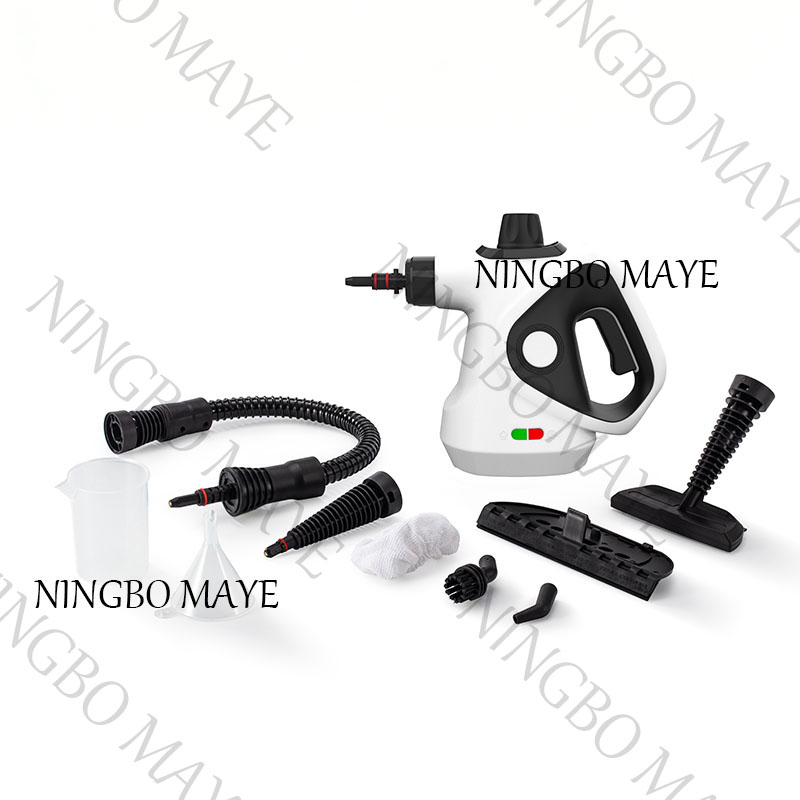
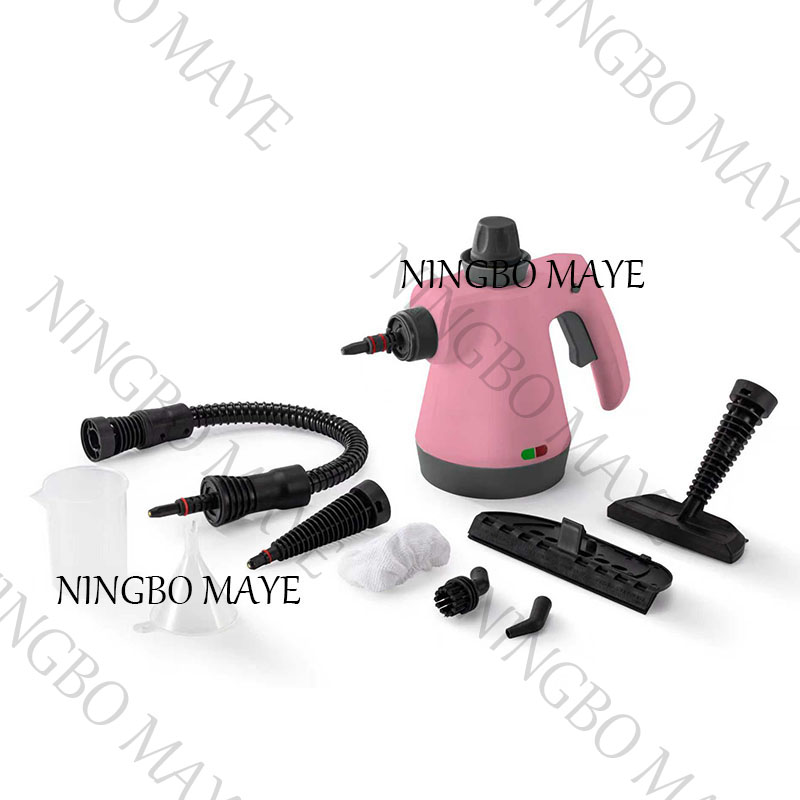
A comprehensive attachment kit converts a single portable steam cleaner into a multi-surface cleaning system. The attachments with the highest practical value across everyday cleaning tasks are:
The lightweight handheld steam cleaner category specifically prioritizes ease of use and maneuverability over raw power and session duration. Units in this category typically weigh between 0.5 and 1.0 kilograms including a full water tank, fit easily in one hand, and are designed for the kind of quick cleaning moments that a full-size cleaning session would be overkill for.
Practical quick cleaning scenarios where the lightweight format delivers real value include sanitizing a kitchen countertop after food preparation, refreshing a sofa cushion after a spill, removing a label adhesive residue from a glass jar, deodorizing a bathroom trash bin, or spot cleaning a muddy mark from an upholstered chair. None of these tasks justify setting up a full cleaning session, but all of them benefit meaningfully from targeted steam treatment that takes under two minutes from power-on to completion.
For users who clean frequently or for extended sessions, ergonomic design becomes practically important. Look for the following features when comparing portable steam cleaners:
Limescale buildup inside the heating element and steam passages is the primary cause of reduced performance and premature failure in any portable steam cleaner. In hard water areas where dissolved calcium and magnesium mineral content exceeds 200 milligrams per liter, scale accumulates visibly within weeks of regular use at full output, progressively blocking steam flow and reducing nozzle pressure. Protecting against this is straightforward with the right approach to water selection and periodic maintenance.
Even with distilled water, a descaling cycle every 3 to 6 months maintains peak output and extends the unit's service life. The standard procedure is:
Some premium steam cleaners include a dedicated descaling cartridge or descaling port that simplifies this process. If you live in a hard water area, this feature is worth seeking out specifically when comparing models.
Steam at 120 to 160 degrees Celsius causes serious contact burns more rapidly and more severely than boiling water at 100 degrees because it carries latent heat energy that releases entirely upon contact with skin. Safe operating habits protect you, your household members, and your home from avoidable incidents.
Rather than recommending specific brands, which change in availability and pricing, matching your requirements to a specification profile delivers better long-term satisfaction than brand name alone.
| Primary Use | Minimum Wattage | Key Feature to Prioritize | Attachment Must-Have |
|---|---|---|---|
| Bathroom and kitchen deep cleaning | 1,200W | High pressure (3+ bar), boiler system | Jet nozzle, brass brush |
| Floor and large surface cleaning | 1,200W | Large tank (400ml+), floor glider | Floor glider with microfiber pad |
| Garment and fabric steaming | 1,000W | Fast heat up (under 30 seconds), variable steam | Fabric nozzle with cloth cover |
| Allergy management and dust mite control | 1,200W | Consistent nozzle temperature (120C+) | Wide upholstery attachment |
| Quick daily spot cleaning | 1,000W | Light weight (under 1 kg), instant ready | Jet nozzle, extension hose |
| Car interior detailing | 1,000W | Compact size, flexible extension hose | Flexible hose, narrow brush |
For most households that want a genuinely versatile steam cleaner for home use that handles bathrooms, kitchens, floors, and upholstery across one cleaning session, a mid-range thermoblock unit at 1,200 to 1,500 watts with variable steam control, a 300 to 400 ml tank, and a comprehensive attachment kit of 8 to 12 pieces represents the best balance of performance, convenience, and value. Spend your budget on wattage and pressure before worrying about attachment count, and choose variable steam control over fixed-output models at the same price point whenever the option is available.
Related Products

Address
East Zone Development Zone Lingshan Town Yuyao City Zhejiang P.R.C.
Tel
+86-18905840666 / +86-574-62067822
+86-15905848828
QR CODE
 Wholesale Multifunctional Steam Cleaner Manufacturers

 English
 Español