2026-11-26
A patch of black speckling along bathroom grout, a musty smell under a kitchen sink, or a greenish bloom on a window frame usually leads to the same question: can a steam cleaner solve the problem, or will it simply make the mold wetter and more widespread? The practical answer is yes, steam cleaning can kill mold on many hard surfaces, but it is not a universal mold remedy. Heat and moisture together can inactivate mold spores and hyphae, yet the same moisture can drive contamination deeper into drywall, carpet, or untreated wood. The difference between a useful maintenance step and a costly mistake comes down to surface type, contact temperature, dwell time, and what happens after the steam cools.
Steam cleaning is effective against mold when the steam reaches the contaminated surface at a high enough temperature for long enough, and when the surface can be dried quickly afterward. On glazed tile, grout, glass, sealed stone, stainless steel, and many bathroom fittings, steam can be a strong chemical-free cleaning step. It can soften biofilm, lift surface soil, and push heat into the tiny pits and lines where mold often starts. On porous materials, the picture changes. Drywall paper, ceiling tiles, insulation, carpet underlay, untreated wood, and fabric upholstery can absorb water vapor and retain it. That added moisture may encourage regrowth even if some spores were killed at the surface.
Use steam as a controlled cleaning step when the mold is a surface film on a non-porous material, when the affected area is small, and when the moisture source has already been identified. Do not rely on steam alone when mold is growing behind paint, under flooring, inside wall cavities, on ceiling tiles, in heating and ventilation components, or across a large area. In those cases, steam may disturb spores without removing the contamination, and the underlying moisture problem will remain.
The key point is that “kill” and “remove” are different outcomes. A steam cleaner may inactivate mold cells at the surface, but dead spores, allergens, staining, and hidden growth still need physical removal or replacement. Mold is a symptom of moisture; steam is only one part of the response.
Mold is a fungus that grows as branching threads called hyphae. Those threads release spores, which are built for survival and dispersal. Steam affects mold through moist heat. At sufficient temperature, proteins and cell structures are damaged, and the organism can no longer grow or reproduce. Moist heat is generally more effective than dry heat at the same temperature because water vapor transfers energy efficiently to the surface. That is why a steam cleaner can be useful on a tile wall where a warm fan alone would do little.
However, the temperature inside the boiler is not the temperature the mold experiences. A steam cleaner may produce saturated vapor at around 100°C or higher at the nozzle, but the surface temperature drops quickly as the steam spreads, the nozzle moves, and the substrate absorbs heat. A cold ceramic tile, a thick grout line, or a metal drain cover can pull heat away from the mold. A short pass may only warm the surface to 50°C or 60°C, while a slower, overlapping pass may push it above 75°C. For practical cleaning, the target is not a single boiler number. It is surface temperature plus dwell time plus direct contact.
Many molds grow well between roughly 10°C and 35°C, with some species tolerating colder or warmer conditions. Laboratory and field experience suggests that moist heat in the range of 70°C to 90°C, held for several seconds to half a minute on a non-porous surface, can inactivate many common household molds. That is a working guideline, not a guarantee for every species, every surface, or every thickness of biofilm. A thin film on glazed tile is easier to heat than a thick, porous grout deposit. A rough cast-iron drain or a cracked silicone bead creates protected pockets where steam may not reach.
Steam also helps by cleaning. Mold grows on organic soil, soap residue, skin cells, and dust. When steam lifts that soil and a brush or microfiber cloth removes it, the surface becomes less hospitable. But if the residue is simply pushed into a corner and left wet, the mold has gained moisture and a food source. Cleaning technique matters as much as the machine.
| Surface | Steam suitability | Typical contact | Practical note |
|---|---|---|---|
| Glazed ceramic tile | High | 10 to 20 seconds per section | Keep the nozzle moving and dry the tile afterward. Steam can loosen biofilm in grout lines. |
| Cement grout | High, but porous | 15 to 30 seconds on stained lines | Use a brush or microfiber pad. Avoid over-wetting; deep grout can hold moisture. |
| Glass and shower screens | High | 5 to 15 seconds | Avoid thermal shock on very cold glass. Work in sections and dry with a squeegee. |
| Sealed stone or quartz | Medium to high | 10 to 20 seconds | Confirm the sealer is steam-safe. Avoid unsealed natural stone with open pores. |
| Stainless steel and enamel | High | 5 to 15 seconds | Keep steam away from electrical controls, seams, and adhesive labels. |
| Painted drywall | Low | Not recommended | Paper facing and gypsum can absorb moisture. Mold behind paint will not be reached. |
| Untreated wood | Low | Not recommended | Steam can raise grain, warp boards, and drive moisture into joints. |
| Carpet and upholstery | Conditional | 15 to 20 seconds on the surface only | Use only for light surface mold. Extract water and dry within 24 to 48 hours; replace contaminated padding. |
| Ceiling tile and insulation | Very low | Do not steam | These materials trap moisture and are difficult to clean. Replacement is usually the better option. |
| Silicone caulk | Conditional | 10 to 20 seconds | Steam can loosen old caulk. If mold is behind the bead, remove and replace the caulk. |
Bathrooms are the most common success story because they combine moisture, warmth, and hard surfaces. Steam can reach the shallow pits in ceramic tile, the lines around a shower tray, the track of a sliding door, and the underside of a toilet rim. It can soften soap scum and body oils that hold mold spores in place. A focused nozzle followed by a microfiber cloth or a soft brush is often more effective than a broad spray because the steam stays concentrated and the loosened residue is removed rather than spread.
Grout deserves a separate mention. Grout is cementitious and porous, so it can absorb water and support mold growth below the surface stain. Steam can kill surface mold and lift dirt, but it cannot remove mold that has penetrated deep into a crumbling grout line. If the grout is soft, hollow, or missing, the correct repair is to scrape out the affected material and re-grout. For routine cleaning, a slow pass with a narrow nozzle, a stiff nylon brush, and immediate drying gives the best result. This guide to cleaning grout with steam covers the room-by-room sequence in more detail.
Kitchen surfaces also respond well when they are non-porous. Steam can clean the seam between a backsplash and countertop, the edges of a sink, and the outside of a refrigerator or dishwasher. It is useful around handles and hinges where mold and biofilm collect. Keep steam away from control panels, display screens, and any opening that could admit water. Unplug appliances first, and do not direct steam into vents or electrical sockets.
Other good candidates include window tracks, glass fish tanks after livestock has been removed, plastic storage bins, removable refrigerator shelves, garden furniture frames, and car interiors with hard plastic or sealed leather surfaces. In each case, the test is the same: can the surface be heated, cleaned, and dried without absorbing water? If the answer is no, steam is the wrong tool.
Painted drywall is the clearest warning case. Mold on drywall paper usually means moisture has reached the gypsum core or the cavity behind it. Steam can wet the paper further and may force spores into the air. Wiping the surface with a damp cloth may remove the visible stain, but the mold often returns because the wall assembly remains damp. If the drywall is soft, crumbly, or stained through, the affected section usually needs to be cut out, the cavity dried, and the source of moisture repaired.
Untreated wood and engineered wood products are similarly problematic. Steam can raise the grain, open joints, and drive moisture into end grain. On a wooden window frame, a slow pass may kill surface mold, but if water has entered the sill or wall, the mold will return. Wood that is visibly stained, soft, or delaminating should be assessed for replacement rather than cleaned cosmetically.
Carpet and upholstery require caution because the surface may look dry while the backing or padding stays wet. A steam cleaner can kill some surface mold on carpet, but it can also push moisture deeper. If the carpet has a musty odor, a stained backing, or mold under the edge, replacement of the affected section and padding is usually more reliable. If the contamination is limited to a small surface area, use a steam cleaner briefly, extract with a wet vacuum, run dehumidification, and dry within 24 to 48 hours. Do not seal a room or replace furniture until the carpet is fully dry.
Ceiling tiles, insulation, mattresses, foam cushions, and paper-faced products are generally not suitable for steam cleaning. The material holds water, the mold can grow inside, and the steam may not reach the contaminated layer. Replacement is often cheaper than repeated cleaning. The same applies to heating, ventilation, and air-conditioning components. Mold inside ductwork or an air handler should be handled by a specialist because steam cannot safely reach the contaminated surfaces and may spread spores through the system.
Safety also limits where steam should be used. Do not steam electrical outlets, switches, light fittings, or appliances that are still plugged in. Avoid cold glass and cold stone with a direct, concentrated blast because thermal shock can crack the surface. Keep steam away from adhesives, veneers, and printed labels. Test any sealed stone, painted surface, or specialty coating in a hidden area first.
The order of work matters. The goal is to contain spores, remove contamination, kill what remains on the surface, and dry the area before mold can recover. A reasonable sequence for a small, non-porous area is:
Do not add bleach, acids, or other chemicals to a steam cleaner unless the manufacturer explicitly permits it. Incompatible chemicals can damage the boiler, create hazardous vapor, or leave residue on surfaces. Plain water or distilled water is the default. Distilled water reduces scale, which helps maintain steam output and temperature over time.
Two cleaners with the same boiler temperature can produce different results because the operator controls the heat at the surface. The most important variables are distance, speed, nozzle type, surface material, and starting temperature. Holding the nozzle too far away loses energy into the air. Moving too quickly gives the mold no time to heat. Staying too long in one spot can over-wet the material or damage the finish.
For commercial or OEM validation, do not rely on the dial or the marketing temperature alone. Use a contact thermometer or thermocouple on the actual substrate, record the surface temperature, dwell time, distance, and nozzle type, and repeat the test across the materials the machine will contact. A steam cleaner that reaches a high nozzle temperature can still underperform if the steam is wet, the flow is uneven, or the operator cannot maintain contact.
Killing mold is not the same as making a surface clean. Dead spores can still trigger allergic reactions, and dead hyphae can leave a stain or a musty odor. Some mold residues contain mycotoxins or volatile organic compounds that are not necessarily destroyed by a short steam pass. The physical removal of contaminated material is therefore central. On a washable tile, removal is straightforward: steam, brush, wipe, and dry. On a porous material, removal may mean cutting out the affected section.
Steam also does not correct the conditions that allowed mold to grow. Mold needs moisture, organic matter, and a suitable temperature. If a bathroom stays above 60 percent relative humidity, if a leak continues behind a wall, or if a basement carpet remains damp, mold will return whether or not the surface was steamed. The durable fix is moisture control: repair leaks, improve ventilation, run a dehumidifier, raise the temperature of cold surfaces, and dry wet materials quickly.
Another limitation is penetration. Steam follows the path of least resistance. It reaches open surfaces, cracks, and seams, but it does not penetrate sealed paint, vinyl flooring, wall cavities, or thick foam. If mold is visible on the surface of a painted wall, there may be more growth behind the paint. If mold is visible along a baseboard, the back of the drywall may be contaminated. A surface kill can create a false sense of completion when the hidden reservoir remains.
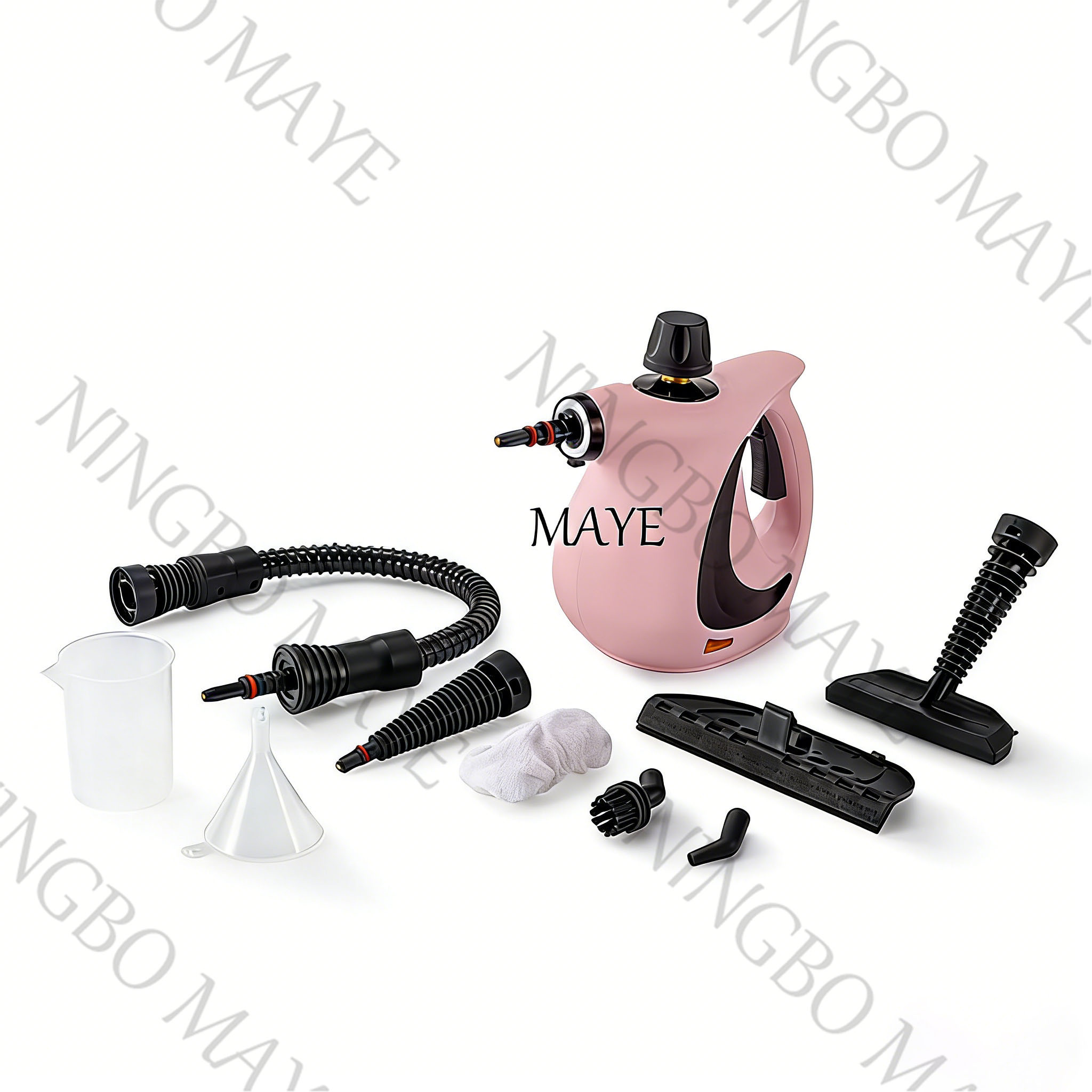
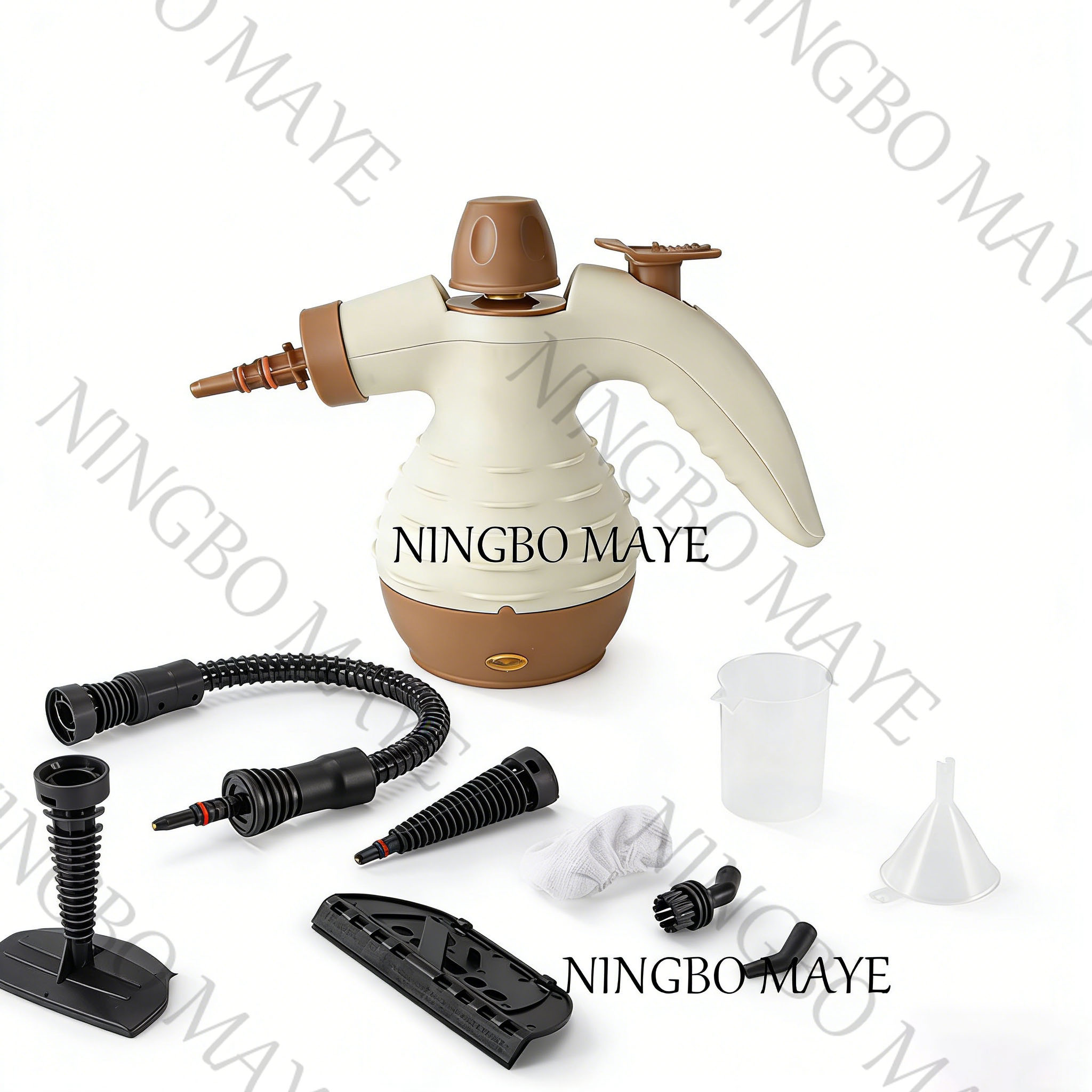
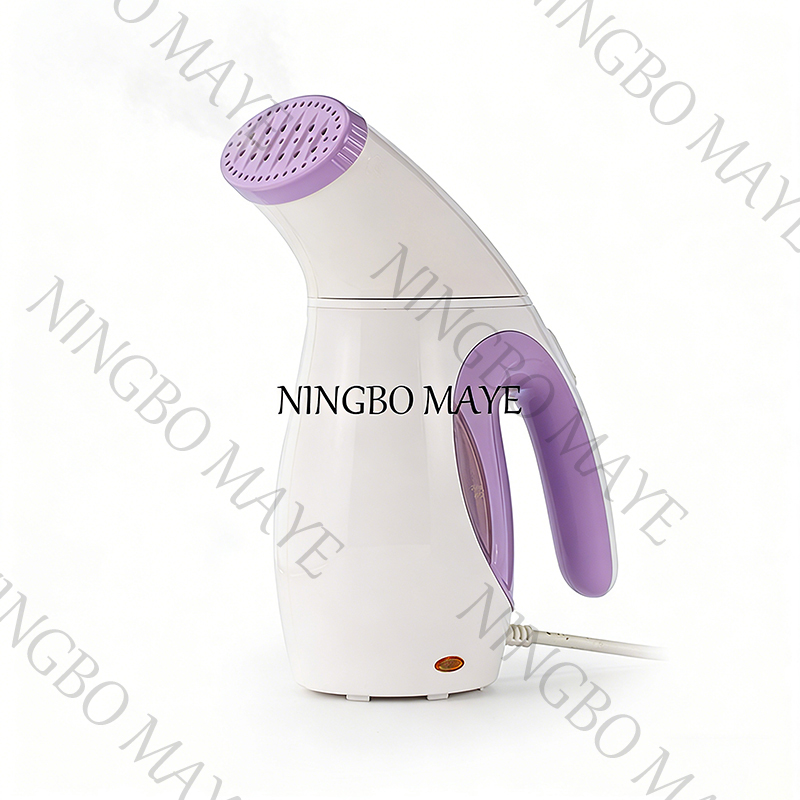
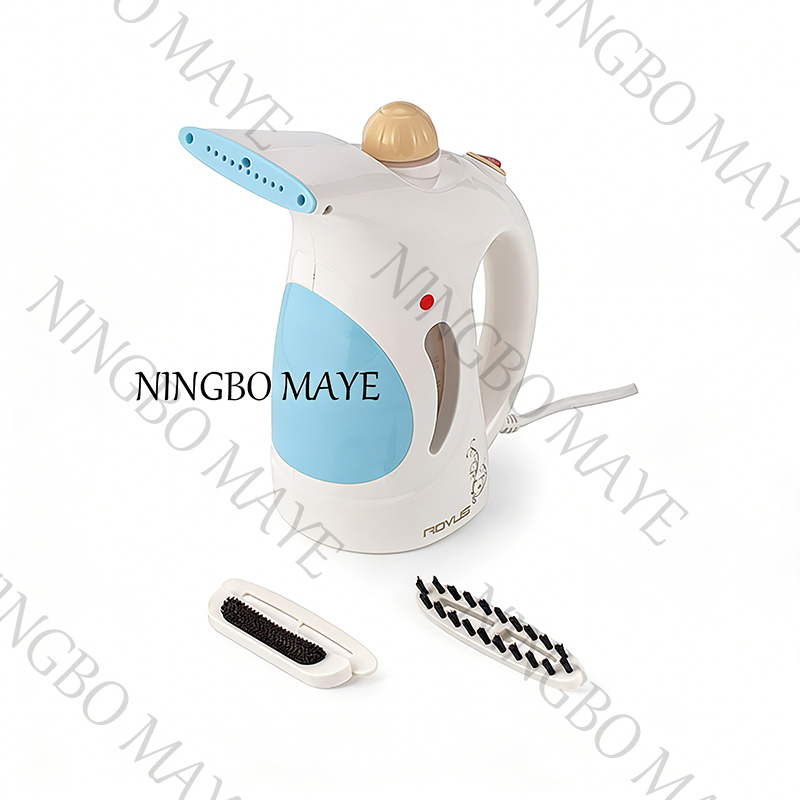
Not every steam cleaner is well suited to mold-prone surfaces. A small handheld unit is convenient for bathroom grout, window tracks, and appliance seams, but it may have a short run time and a small tank. A canister or multipurpose unit with a larger boiler and a mop attachment covers more tile and floor area before refilling. For household use, look for a machine that reaches a high surface temperature, delivers reasonably dry steam, and includes a focused nozzle and a brush. For a broader comparison of form factors, the household steam cleaner range shows how tank size, nozzle sets, and body design differ across models.
For a compact bathroom or kitchen job, a handheld model with a concentrated jet is often the most practical choice. It reaches grout lines, tap bases, and the corners of a shower tray without requiring a large floor unit. A model such as the TM-168 is aimed at that kind of focused work, where portability and a narrow nozzle matter more than a large tank.
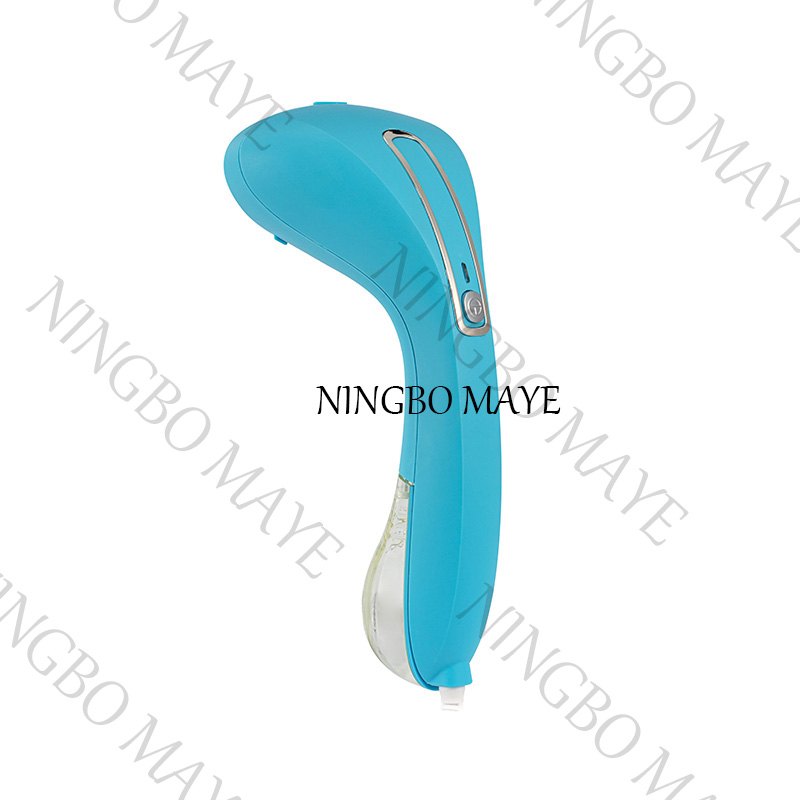 TM-168 Handheld Steam Vacuum for Focused Kitchen and Bathroom CleaningA compact 1100W handheld model with 100ml tank, steam up to 120°C, and multiple accessories for focused bathroom and kitchen cleaning.View Product →
A step-up unit can be useful when the cleaning session is longer or when several rooms are involved. The TM-178 is a household steam cleaner option for buyers who want more capacity and a broader accessory set while keeping the machine manageable for routine use. That matters when the same tool must handle tile, grout, glass, and sealed hard surfaces in one session.
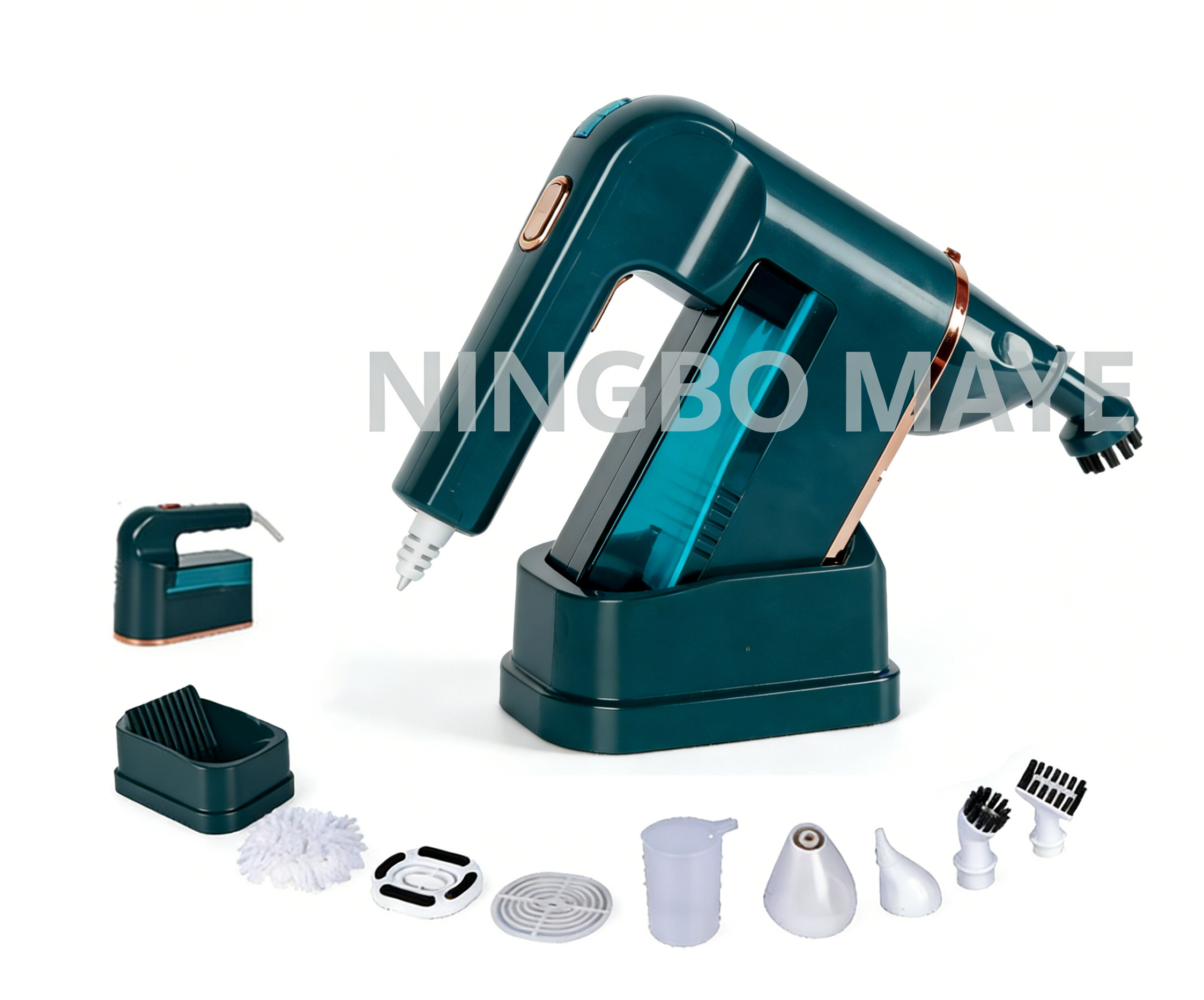 TM-178 Household High-Temperature High-Pressure Steam CleanerA 1200W step-up household cleaner with 120ml tank and 145°C steam, offering broader accessory use across tile, grout, glass, and sealed surfaces.View Product →
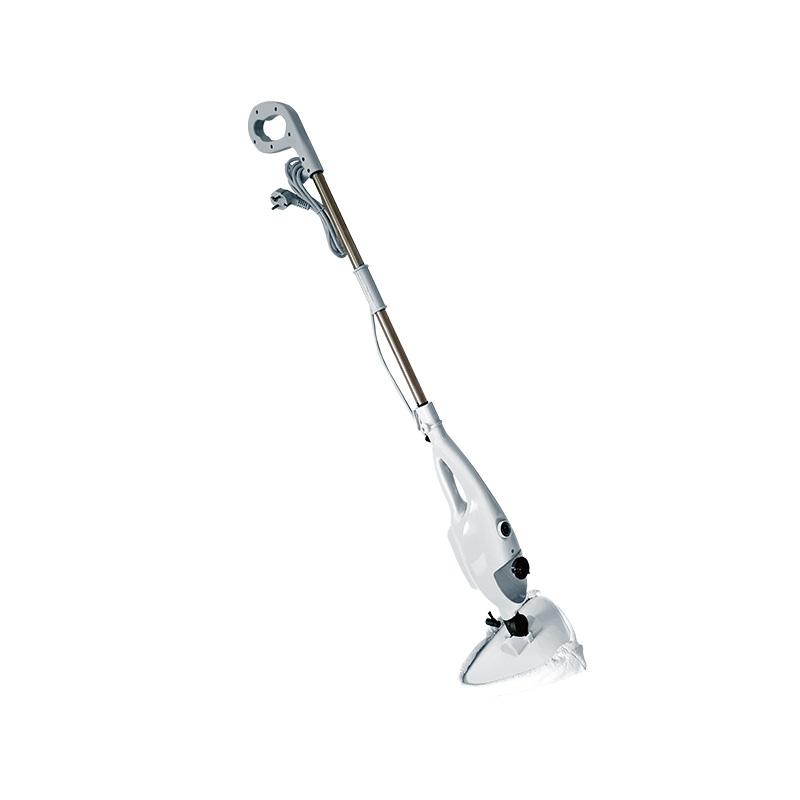
For larger tile and grout areas, a multipurpose steam cleaner with a mop head and a larger tank reduces refill stops and helps maintain a consistent pace. The TM-388 is positioned for that broader floor and surface work, where continuous steam and a stable mop head can make the difference between a patchy pass and an even, repeatable clean.
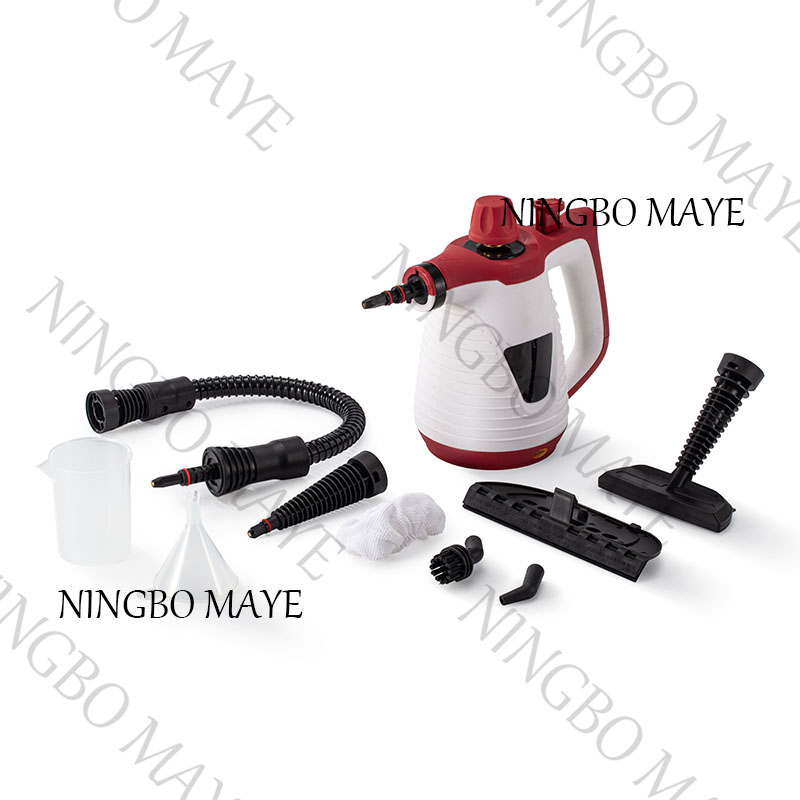 TM-388 Multi-Surface Steam Mop for Floors and GroutA 350ml multipurpose steam mop with rotating head and nine accessories, suited to larger floor, tile, grout, and soft-furnishing cleaning.View Product →
Whatever the format, check the safety certification, the pressure and temperature ratings, the cool-down procedure, and the availability of replacement brushes and nozzles. A steam cleaner is a long-term tool; consumable parts and service support matter as much as the peak temperature on the box. For export buyers, validation should also include water quality, scale resistance, electrical safety, and consistent steam output across voltage variants.
Before steam touches a mold-affected surface, confirm that the material can tolerate heat and moisture. Test a hidden area with the nozzle at the intended distance and dwell time. Watch for color change, gloss loss, bubbling, warping, or water absorption. On sealed stone, ask whether the sealer is steam-safe. On painted surfaces, check whether the paint is fully cured and whether the substrate is moisture-sensitive. On laminate, avoid seams and exposed edges because steam can lift the core.
Do not mix cleaning chemicals with steam unless the cleaner is designed for it. A steam cleaner is not a pressure washer, and it is not a sterilizer in the clinical sense. It is a cleaning appliance that uses heat and moisture. That distinction keeps expectations realistic and prevents damage to materials that were never meant to be steamed.
A small patch of surface mold on a non-porous material is a maintenance problem. A patch larger than about 10 square feet, mold on ceiling tiles or drywall, mold after a sewage leak, or mold in an HVAC system is a remediation problem. The difference is not only area. It is the likelihood that contamination has spread into cavities, insulation, or porous materials that cannot be cleaned in place. In those cases, containment and removal matter more than surface killing.
People with asthma, allergies, immune suppression, or respiratory conditions should be especially cautious. A steam cleaner can aerosolize spores during cleaning, and a small visible patch may be part of a larger hidden problem. If the odor persists after cleaning, if occupants develop symptoms, or if moisture returns, stop and get an assessment. The cost of inspection is usually small compared with repeated cleaning and failed repairs.
Professional remediation typically includes moisture mapping, containment, HEPA filtration, removal of contaminated porous materials, and verification that the area is dry before reconstruction. Steam may be used as part of the cleaning process, but it is not a substitute for removal and drying. The same logic applies at home: clean what can be cleaned, remove what cannot, and fix the water problem that started the growth.
| Criterion | Why it matters | Practical target |
|---|---|---|
| Surface temperature and steam quality | A high boiler number does not guarantee heat at the mold surface. | Look for stable steam output, a concentrated nozzle, and a design that limits spitting water. |
| Pressure and flow control | Too little flow gives weak contact; too much water over-wets porous surfaces. | Adjustable steam or a trigger with controlled output is useful for tile, grout, and glass. |
| Tank size and run time | Small tanks require frequent refills and can lose heat during refilling. | Match capacity to the area. Bathrooms may need 0.3 to 0.6 liters; larger floors need more. |
| Nozzle and brush set | Grout, seams, and hinges need focused tools; flat tile needs wider coverage. | Include a jet nozzle, a nylon brush, a squeegee or cloth attachment, and an extension hose where relevant. |
| Safety certification and materials | Heat, pressure, and water create electrical and burn risks. | Verify certification for the target market, a safety lock, a cool-down indicator, and heat-resistant hoses. |
| Scale and water quality | Scale reduces steam output and shortens service life. | Use distilled water if specified. Check whether the boiler is serviceable and whether filters are replaceable. |
| Service and spare parts | A steam cleaner is a durable tool, not a disposable accessory. | Confirm availability of brushes, seals, nozzles, and warranty support in the destination market. |
For OEM and export buyers, the checklist should go further: validate surface temperature with a thermocouple, test continuous run time, check drop performance and hose durability, confirm electrical safety across voltage variants, and document the cleaning protocol that the end user should follow. A steam cleaner that performs well in a showroom can still fail in a bathroom if the steam is wet, the nozzle is poor, or the user cannot maintain contact. Good product design and clear instructions reduce that gap.
Steam cleaning can kill mold on hard, non-porous surfaces when the steam is hot enough, the dwell time is long enough, and the surface is cleaned and dried afterward. It is a useful chemical-free option for tile, grout, glass, sealed stone, and many bathroom or kitchen fittings. It is not a reliable solution for drywall, carpet backing, insulation, ceiling tiles, or structural wood, where moisture penetration and hidden growth matter more than surface temperature. The most important step is not the steam pass itself; it is finding the water source, removing the contamination, and drying the area quickly. If the mold returns, the moisture problem was never solved. If the area is large or the material is porous, removal or professional help is the safer and more durable answer.
Related Products

Address
East Zone Development Zone Lingshan Town Yuyao City Zhejiang P.R.C.
Tel
+86-18905840666 / +86-574-62067822
+86-15905848828
QR CODE
 Wholesale Multifunctional Steam Cleaner Manufacturers
Chat With Me

 English
 Español