2026-10-15
A 1.2 m by 0.9 m alcove shower with ordinary soap scum takes roughly 20 to 30 minutes to clean with a steam cleaner, and only eight to ten of those minutes involve holding the trigger. The rest is dwell time, squeegeeing, and letting the vapor do chemistry that scrubbing cannot match. That is the honest number, and it belongs at the front of the article, because most people who buy a steamer for the bathroom expect a two-minute miracle and then blame the tool when the glass still shows water spots.
The shower is still one of the best jobs a steam cleaner can do. There is no detergent residue to rinse off the tray, no chlorine smell drifting through a windowless room, and the vapor reaches grout lines and the silicone bead behind the frame where a sponge never quite lands. What separates a satisfying result from a frustrating one is rarely the brand on the boiler. It is the order of work, the distance between the nozzle and the surface, and knowing which three shower materials should never see direct steam.
For glazed ceramic tile, grout, tempered glass, chrome, and enamel trays, steam is close to ideal: it softens grease and soap scum, lifts biofilm, and leaves no film behind. The exceptions are material-specific rather than performance-related, and they are worth memorising before you switch the machine on.
Everything else in a typical bathroom is fair game. The practical consequence is simple: a steamer replaces the scrubbing, not the judgement.
Soap scum is not dirt in the usual sense. It is mostly calcium and magnesium stearate, formed when the minerals in hard water meet the fatty acids in soap and body wash. That compound is barely soluble in cold water, which is why a sponge smears it around. Steam attacks it from two directions at once: the temperature raises the solubility of the fatty fraction, and the expanding vapour gets underneath the film where a cloth cannot reach.
A handheld unit typically runs its boiler at 3 to 4.5 bar and 145 °C to 165 °C, though the vapour has cooled to roughly 100 °C by the time it leaves the nozzle. That is still far above the 60 °C to 70 °C needed to kill the mould spores and bacteria that live on wet grout, and the moisture carries that heat into the porous surface rather than bouncing off it. The pink-orange film that appears near drains and along the tray edge is a biofilm, usually Serratia marcescens, feeding on shampoo residue. It survives most spray cleaners because they never stay wet long enough. Steam does.
Contact time matters more than pressure for biological cleaning and less than you might expect for soap scum. Holding the nozzle 5 to 10 cm from the surface for five to eight seconds per patch, then wiping with a microfibre cloth, outperforms a fast blast at 2 cm. The exception is grout, where a narrow jet at closer range physically displaces the softened paste, and where a nylon detail brush finishes the job in seconds.
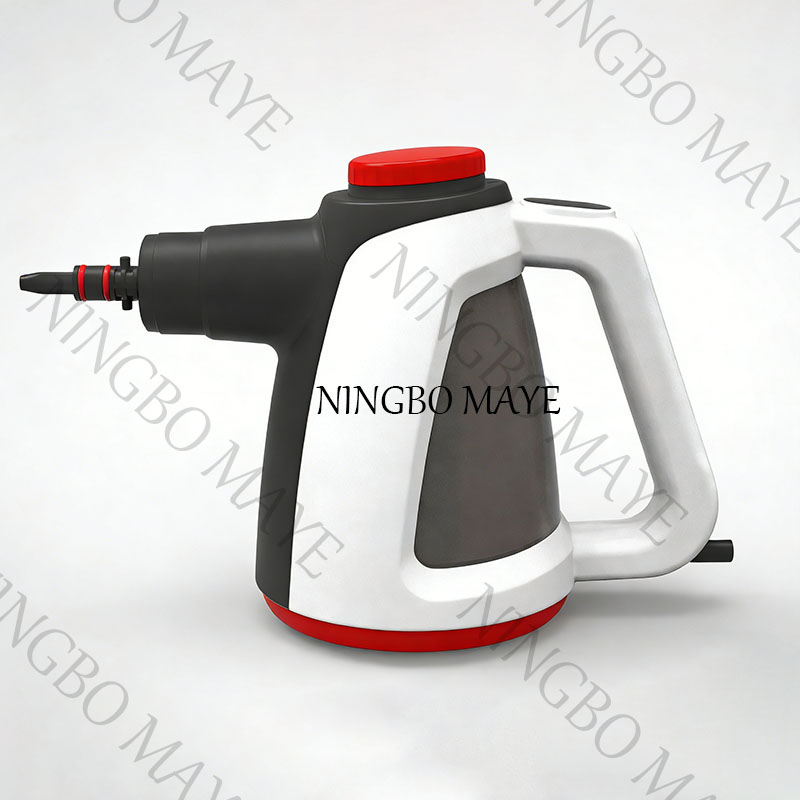
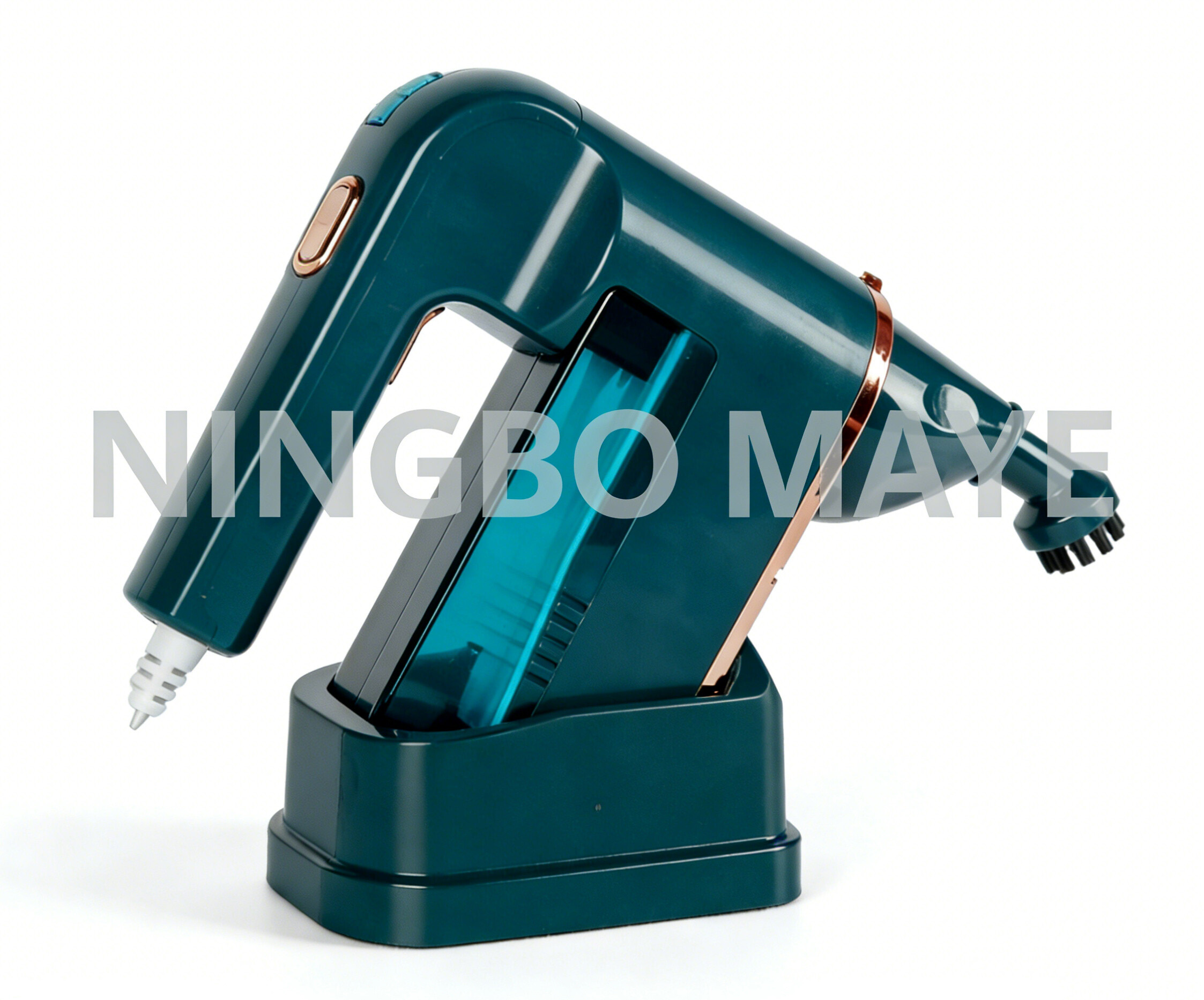
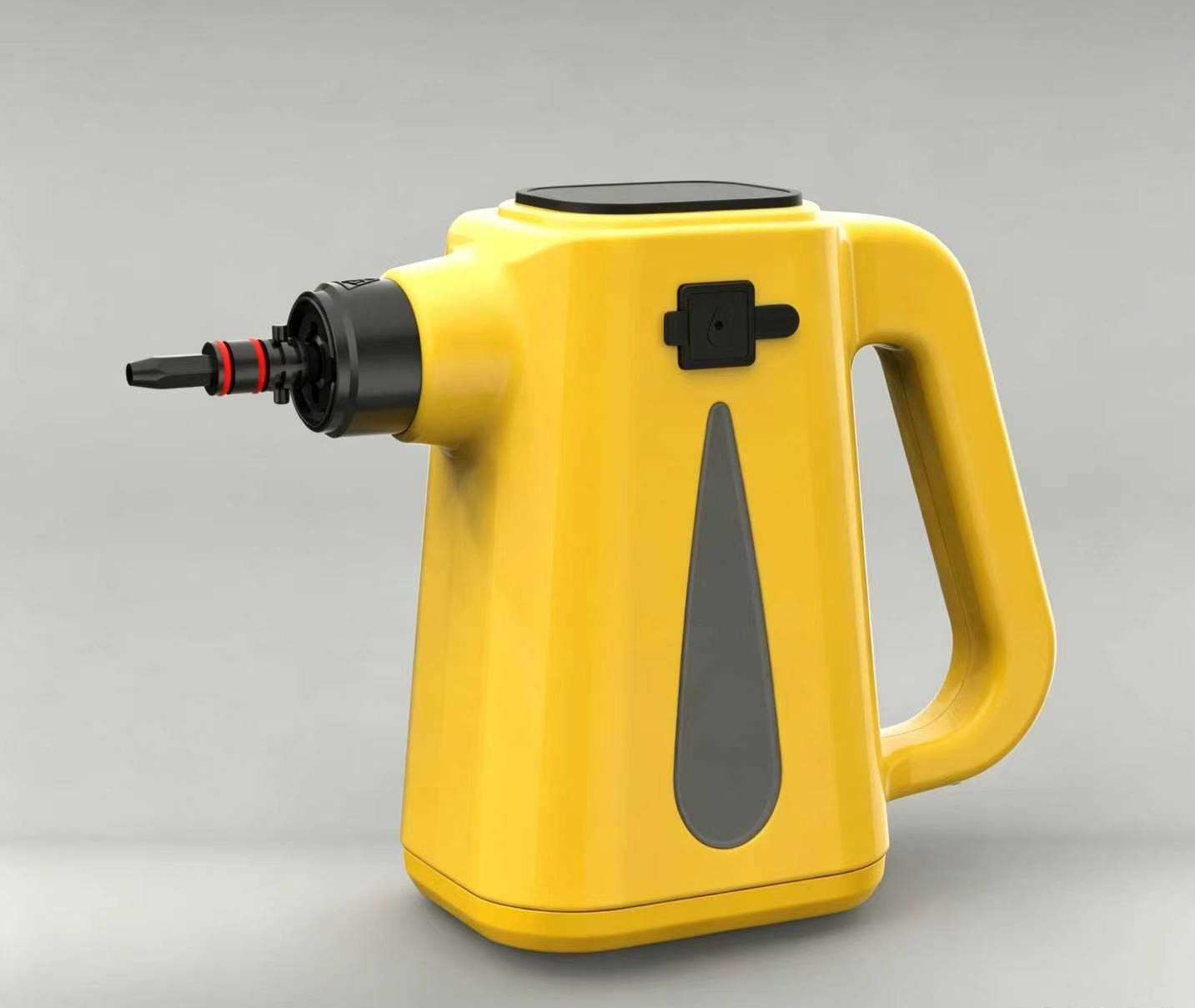
Handheld steamers win on reach and storage. They heat up in under a minute, fit under a sink, and let you aim at a ceiling corner without dragging a hose. Their weakness is endurance: a 250 ml tank gives roughly 15 to 20 minutes of trigger time, which is enough for one shower but not for a whole bathroom plus kitchen tiles. Canister models run 40 to 60 minutes, refill without cooling down, and usually deliver more pressure at the nozzle, at the cost of a hose that knocks bottles off the shelf.
| Specification | Handheld unit | Canister or continuous-fill unit |
|---|---|---|
| Typical power | 900-1050 W | 1500-1800 W |
| Tank volume | 200-350 ml | 1.0-1.5 L |
| Heat-up time | 25-45 seconds | 3-5 minutes |
| Continuous trigger time | 12-20 minutes | 40-60 minutes |
| Nozzle pressure | 3-4 bar | 4-5.5 bar |
| Best suited to | One shower, weekly upkeep, small flats | Whole bathroom, grout-heavy rooms, floor-to-ceiling work |
| Main limitation | Refill stops the job | Hose management, more storage space |
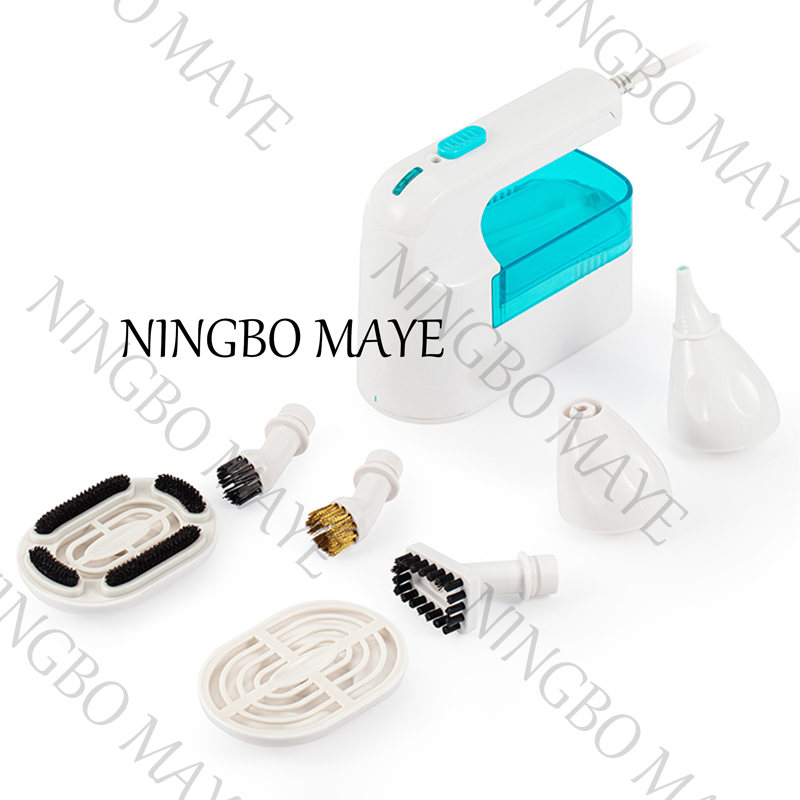
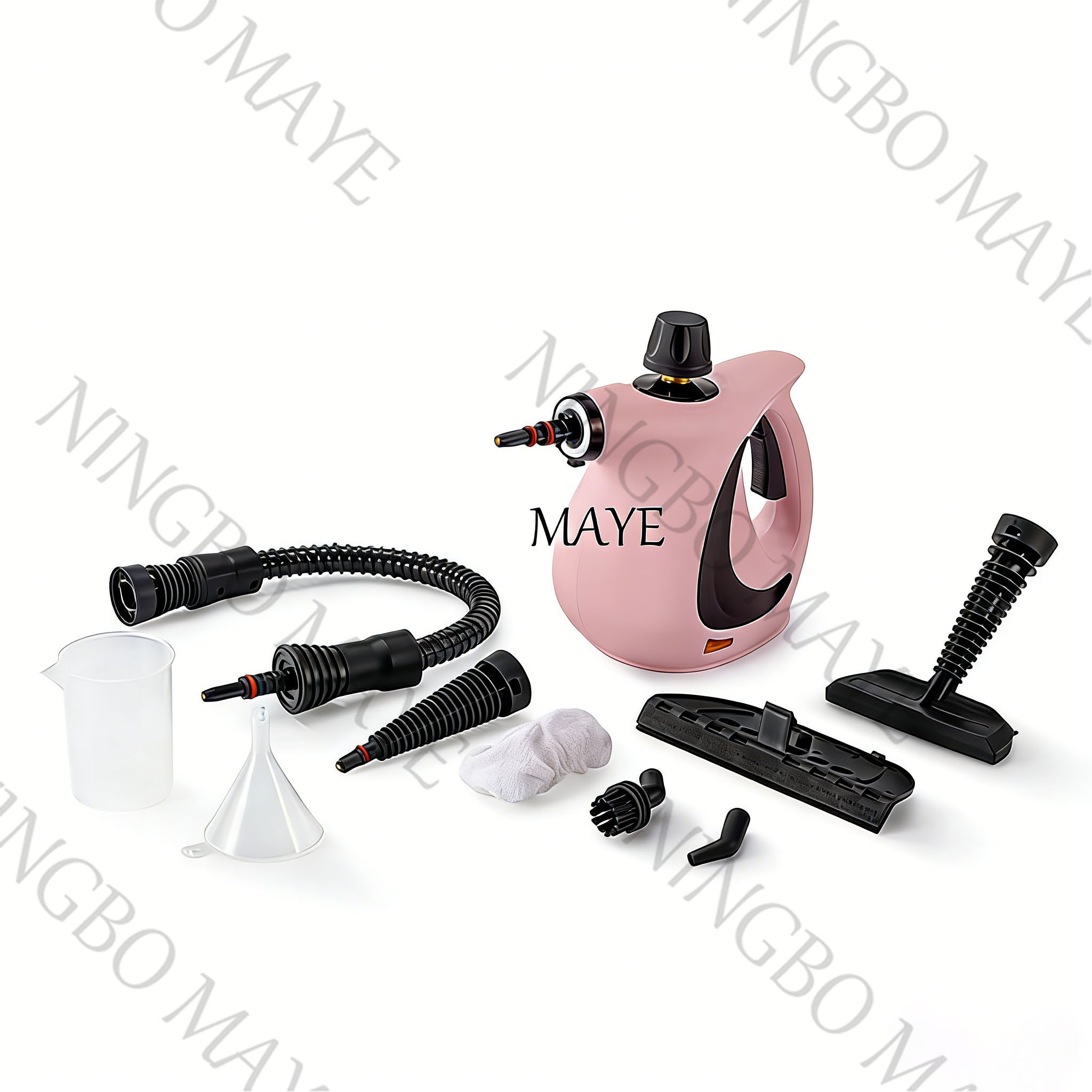
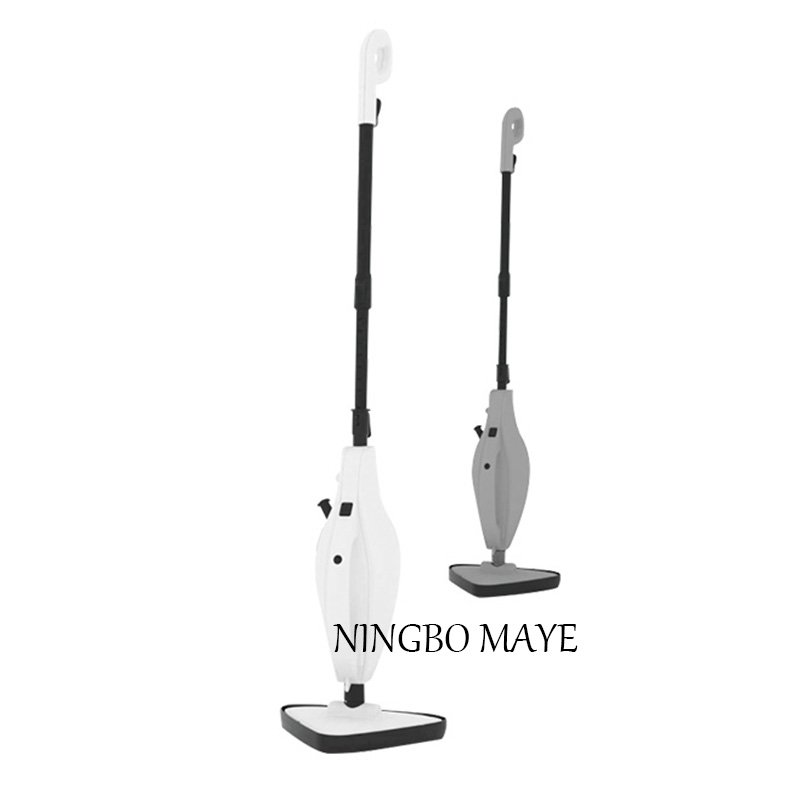
If the shower is the main target, a handheld with a multi-surface accessory kit is the more efficient purchase. A unit with a detachable mop head, such as the TM377 series, lets you steam the tray and floor in the same pass you used for the walls, which removes the step where most people give up and reach for a bottle of spray cleaner.
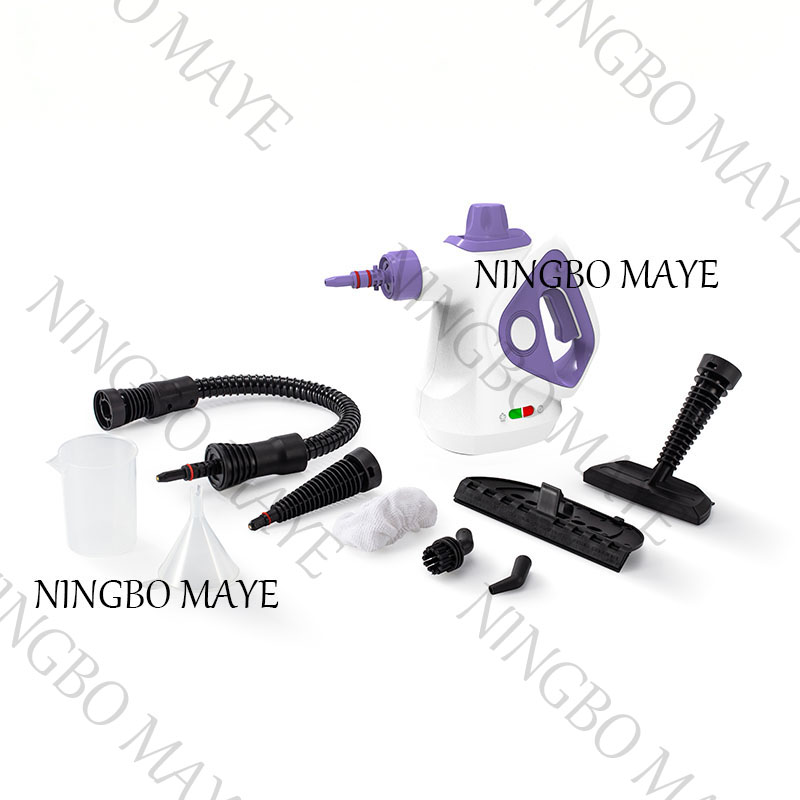 TM-377 Multi-Purpose Handheld Steam Cleaner with MopSteam cleaner and mop combo for floors, windows, kitchen surfaces, and shower trays; detachable mop head lets wall and floor cleaning happen in one pass.View Product →
Order of work matters because steam loosens material that then has to fall somewhere. Working bottom-up simply moves the grime from the walls onto surfaces you have already finished. Follow this sequence and you will not repeat a step.
The full sequence takes about 20 to 30 minutes once you know it. Detailed guidance for the wider room is available in this room-by-room bathroom steam cleaning guide, which covers the toilet, basin, and mirror in the same order-of-work logic.
Most steam-related damage in bathrooms traces back to one of five materials. The table below summarises the verdicts, and the rule behind them is consistent: dense, glazed, and heat-stable surfaces tolerate direct steam; porous, sealed, or thermally soft surfaces do not.
| Surface | Verdict | Practical note |
|---|---|---|
| Tempered glass | Excellent | Keep steam off the cold frame edge in winter; squeegee immediately. |
| Glazed ceramic and porcelain tile | Excellent | Glaze is heat stable; a 10 cm distance is enough. |
| Cementitious grout | Good, with care | Use short passes; over-wetting drives moisture into the substrate. |
| Chrome and brushed nickel | Good | Dry immediately to prevent spotting and mineral haze. |
| Enamel over cast iron or steel | Good | Avoid resting the nozzle; rapid local heating stresses old enamel. |
| Acrylic or fibreglass tray | Use with caution | Keep 20 cm away, keep moving, never aim at one spot. |
| Sanitary silicone sealant | Indirect only | Steam the adjacent tile, not the bead, or the bond will soften. |
| Vinyl or PEVA curtain liner | Avoid | These distort well below boiler temperature; launder instead. |
| Marble, travertine, limestone | Avoid | Sealer degrades and the stone etches; use a pH-neutral cleaner. |
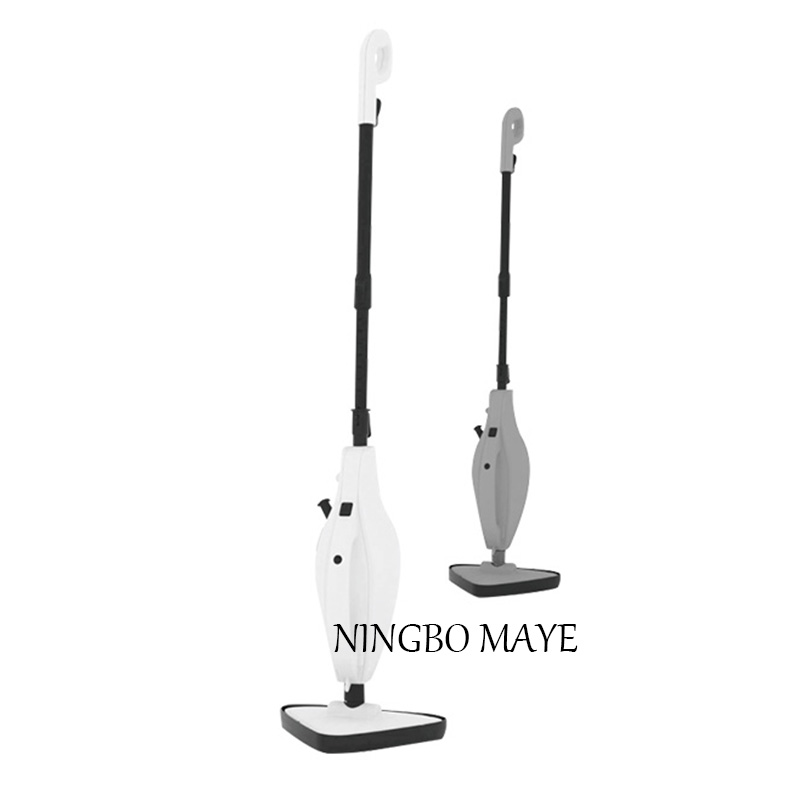 TMSM-003 1500W Household Steam Mop with Rotating HeadHigh-temperature steam mop with 450 ml tank and rotating head for floors, tiles, carpets, and soft furnishings; review bathroom material limits before direct steam.View Product →
Nearly every disappointing first attempt with a steam cleaner comes down to one of these, and each has a straightforward fix.
Scale is the slow killer of steam performance. Every litre of hard water leaves calcium carbonate behind in the boiler and the nozzle orifice, and because the opening is only a millimetre or two wide, a thin layer is enough to flatten the jet and cut cleaning power. In areas above roughly 150 mg/L of calcium carbonate, distilled or demineralised water pays for itself within a year of weekly use.
If tap water is unavoidable, empty the tank after every session rather than leaving it filled, run a descaling cycle with a citric-acid or vinegar solution every 20 to 30 uses, and never use a proprietary descaler unless the manual names it. Check the silicone O-rings on the safety cap at the same time; they harden with age and are the usual cause of a cap that suddenly weeps. Keeping a spare set costs very little and prevents the failure that ends a cleaning session halfway through.
Retail listings for steam cleaners look alike, so filter them against the job you actually have. For shower cleaning specifically, these are the specifications that change the experience:
For buyers specifying these products in volume, the manufacturing side of the question matters as much as the feature list. Suppliers such as Ningbo Maye Electric Appliance Technology Co., Ltd., which has produced household steam cleaners and small appliances at its Yuyao plant since 2015, hold ISO 9001 quality certification and have passed LIDL, ALDI, and BSCI factory audits, which is the kind of evidence that supports claims about consistent boiler assembly and incoming-material control.
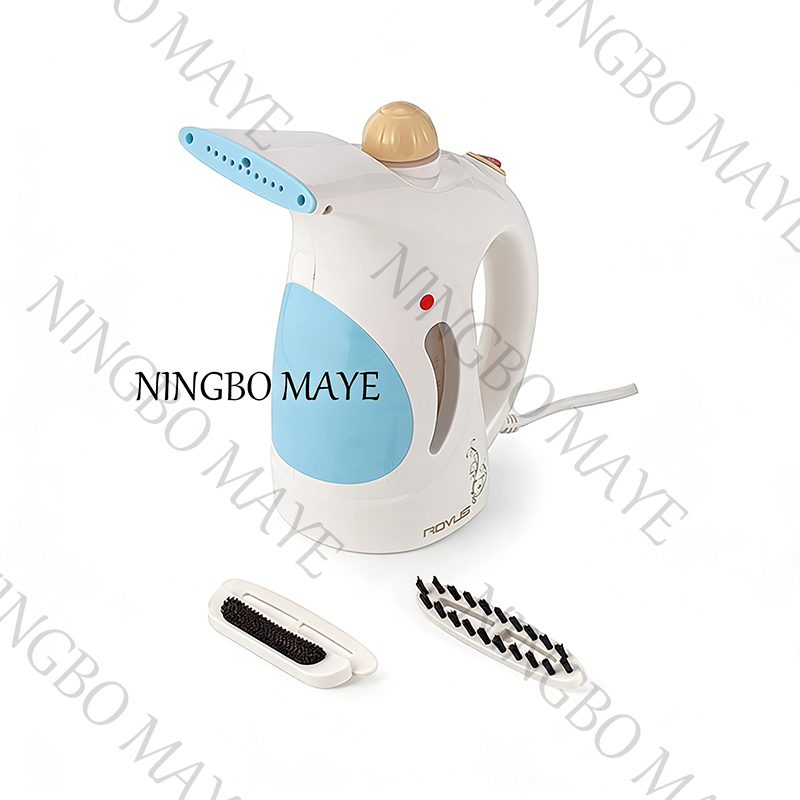
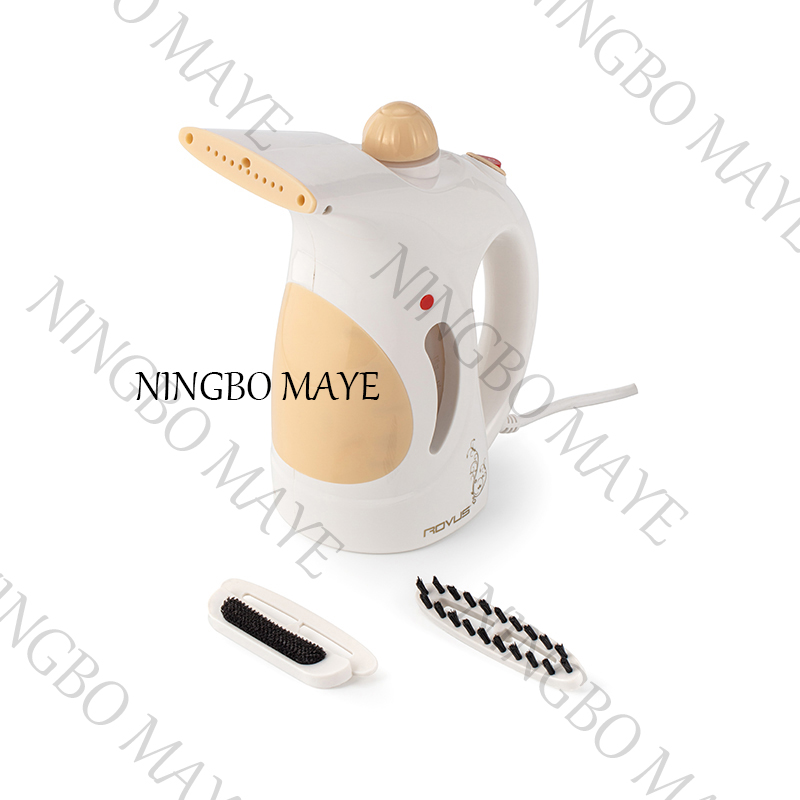 TM-188 Portable Handheld Garment Steamer for ClothesFor garment care rather than bathroom steam cleaning, this compact 200 ml handheld steamer handles cotton, linen, silk, and synthetics with fast 30-second heating.View Product →
Twenty-five minutes, one tank of water, and no chemicals: that is the realistic exchange rate for a genuinely clean shower. The variables that decide whether you get there are the ones covered above, namely the order you work in, the distance you hold the nozzle, and the three materials in your bathroom that should never face direct steam. Get those right and the steam cleaner stops being a gadget in the cupboard and becomes the fastest route from a scummy pane of glass to a shower you would not be embarrassed to hand over to a guest.
Related Products

Address
East Zone Development Zone Lingshan Town Yuyao City Zhejiang P.R.C.
Tel
+86-18905840666 / +86-574-62067822
+86-15905848828
QR CODE
 Wholesale Multifunctional Steam Cleaner Manufacturers

 English
 Español