2026-06-25
A steam cleaner is an electric appliance that heats water above 100 degrees Celsius in a sealed boiler to produce pressurized steam, which is then directed through a nozzle or attachment onto surfaces to dissolve grease, loosen mineral deposits, kill bacteria and dust mites on contact, and clean without chemical detergents. Home steamers for cleaning range from compact Handheld Steam Cleaner units that heat up in under a minute and weigh less than 1.5 kg, to full-featured All In One Multi-Surface Steam Cleaner systems with large tanks, multiple attachments, and the capability to clean every surface in the home from floors to ovens to curtains.
The practical choice between the main steam cleaner types comes down to what you clean most and how often:
For cleaning shower with steamer specifically, either a Handheld Steam Cleaner or the wand attachment of an All In One Multi-Surface Steam Cleaner delivers excellent results in grout, tile, shower screens, and fixtures that are otherwise among the most time-consuming surfaces to clean with conventional sprays and scrubs.
Understanding what is a steam cleaner at the physical level explains why steam cleaning achieves results that chemical sprays and manual scrubbing cannot match for certain surfaces, and also clarifies the limitations of steam cleaning so users can set realistic expectations.
Every steam cleaner, from the smallest Handheld Steam Cleaner to the largest professional cylinder unit, shares the same functional architecture:
How does a steamer work to clean surfaces? The mechanism involves three simultaneous actions when pressurized steam contacts a dirty surface:
A quality steam cleaner operating at 3 to 4 bar produces nozzle temperatures of 133 to 145 degrees Celsius, well above all household pathogen lethal thresholds, providing the thermal killing power that makes steam an effective sanitation tool without any chemical agents.
Home steamers for cleaning are available in four principal formats, each optimized for different use patterns and household cleaning priorities. Understanding what each format does well and where it falls short prevents the common mistake of buying a steam cleaner that is excellent for one task but inconvenient for everything else you need it to do.
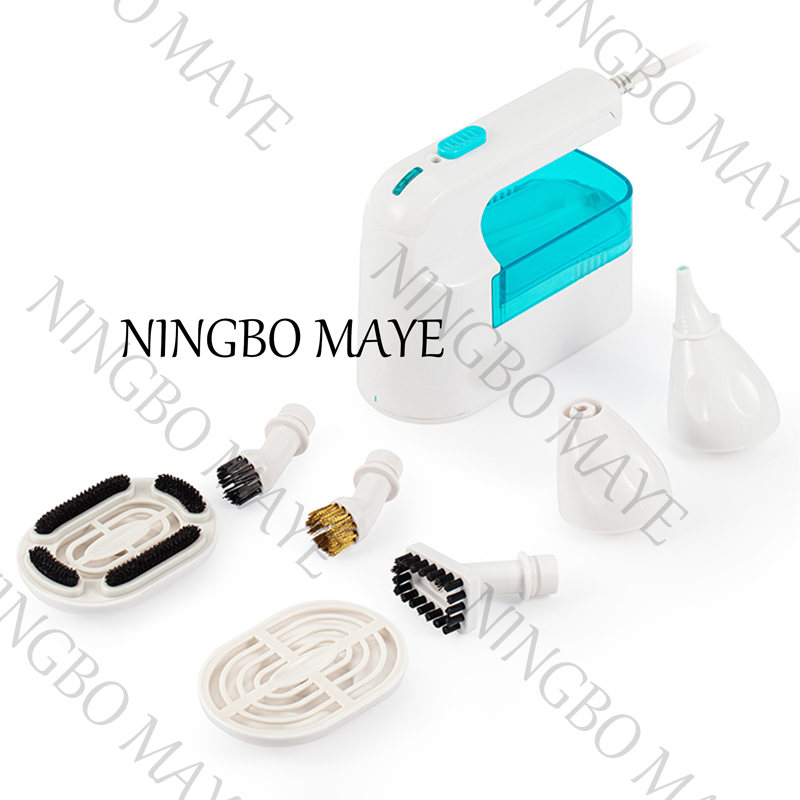
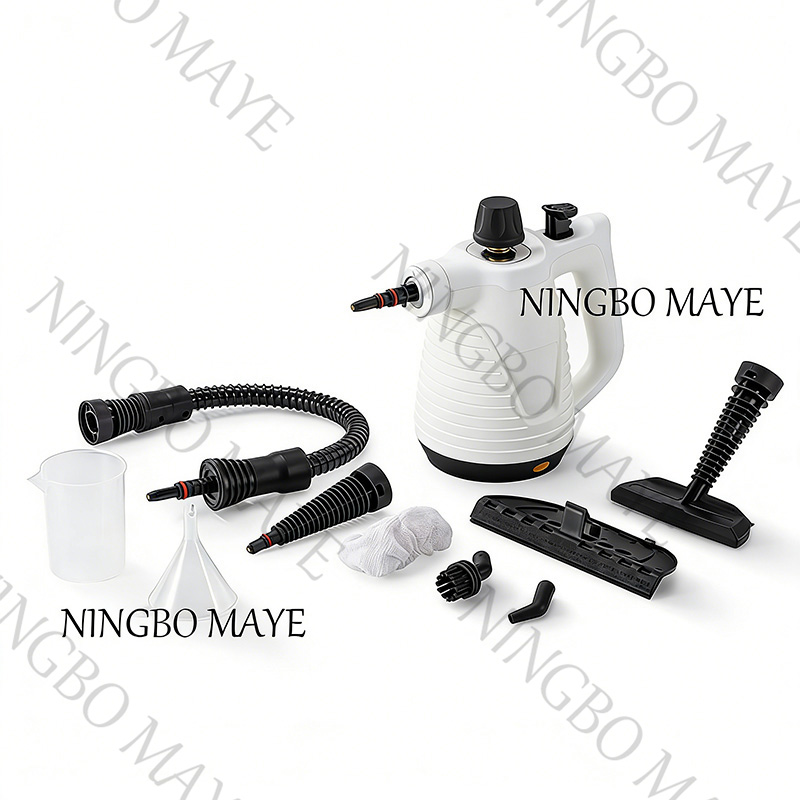
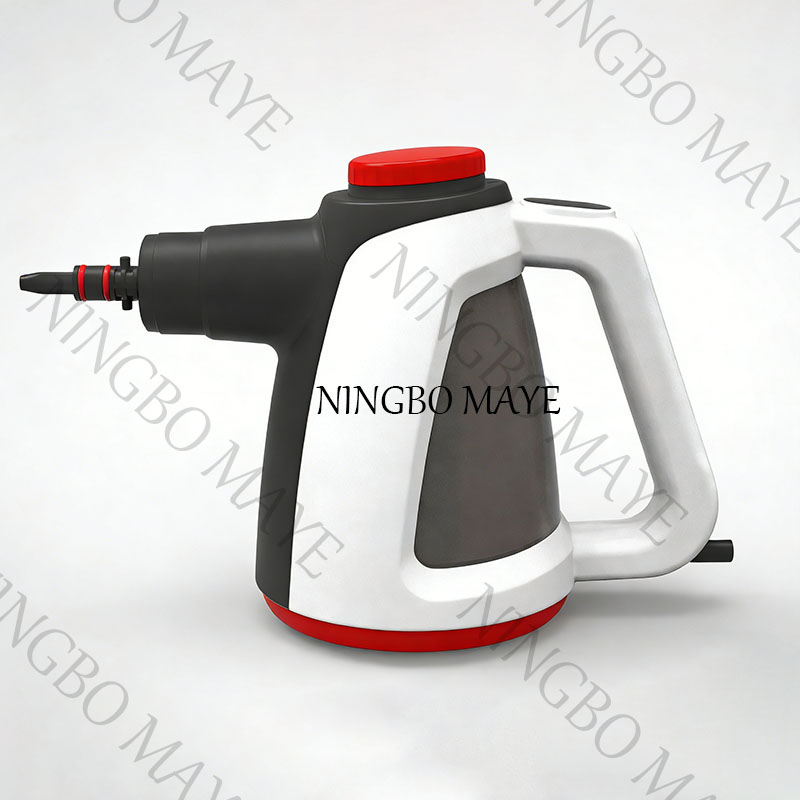
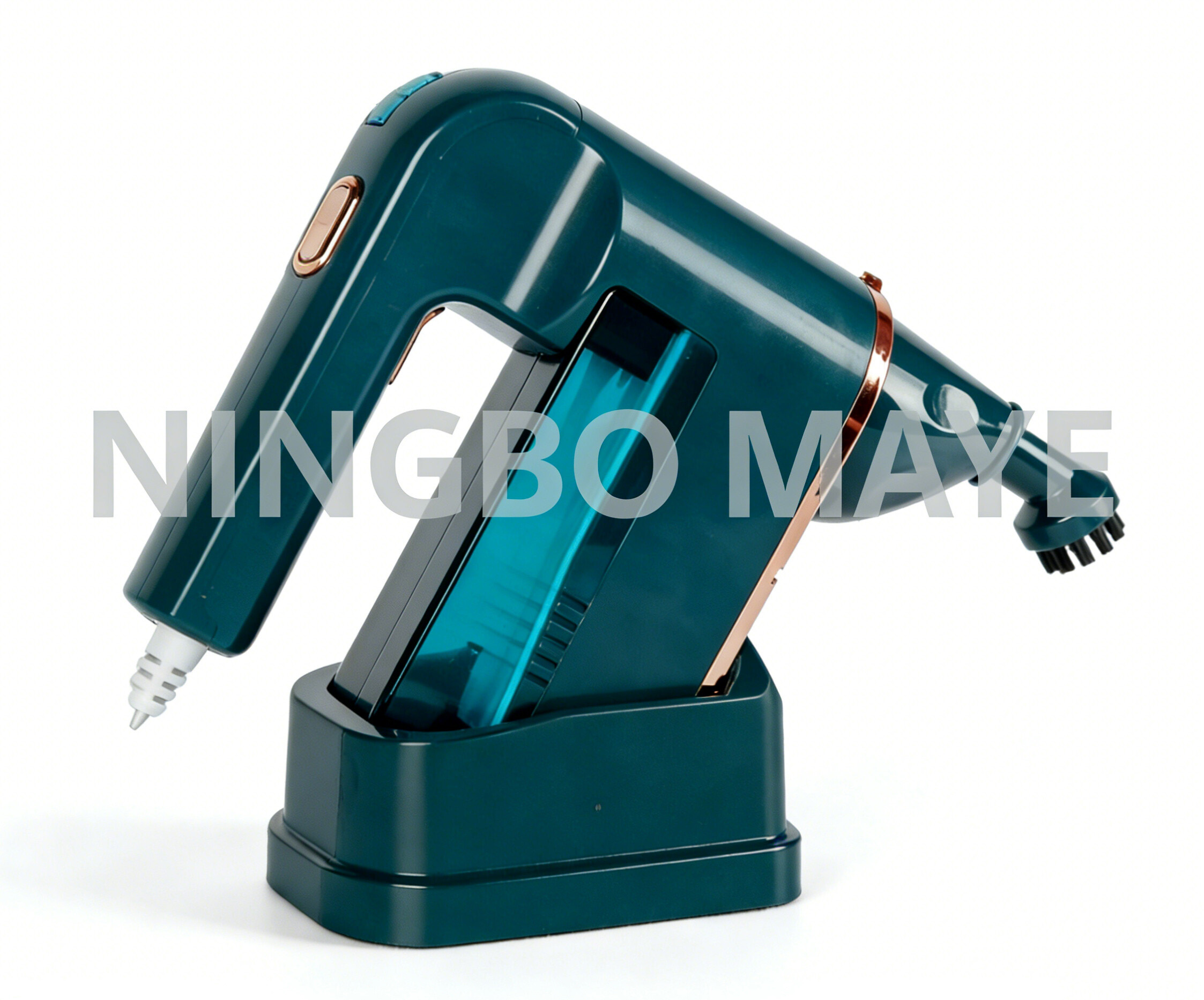
The Handheld Steam Cleaner is a self-contained unit with the boiler, water tank, and nozzle all integrated into a single hand-grippable housing weighing 0.8 to 1.5 kg. It plugs directly into a power outlet and is ready to use in 20 to 45 seconds from cold. This fast heat-up time is its primary practical advantage: it makes steam cleaning as convenient as reaching for a spray bottle, removing the barrier of a long setup time that causes many people to revert to chemical sprays for quick cleaning tasks.
Best applications for Handheld Steam Cleaner use: bathroom fixtures (limescale on taps, soap scum on shower screens), grout cleaning (with the included narrow jet nozzle and brush attachment), kitchen appliance surfaces (oven doors, microwave interiors, coffee machine groups), car seats and door jambs, children's toys, and high-touch surfaces requiring regular pathogen reduction without chemical contact.
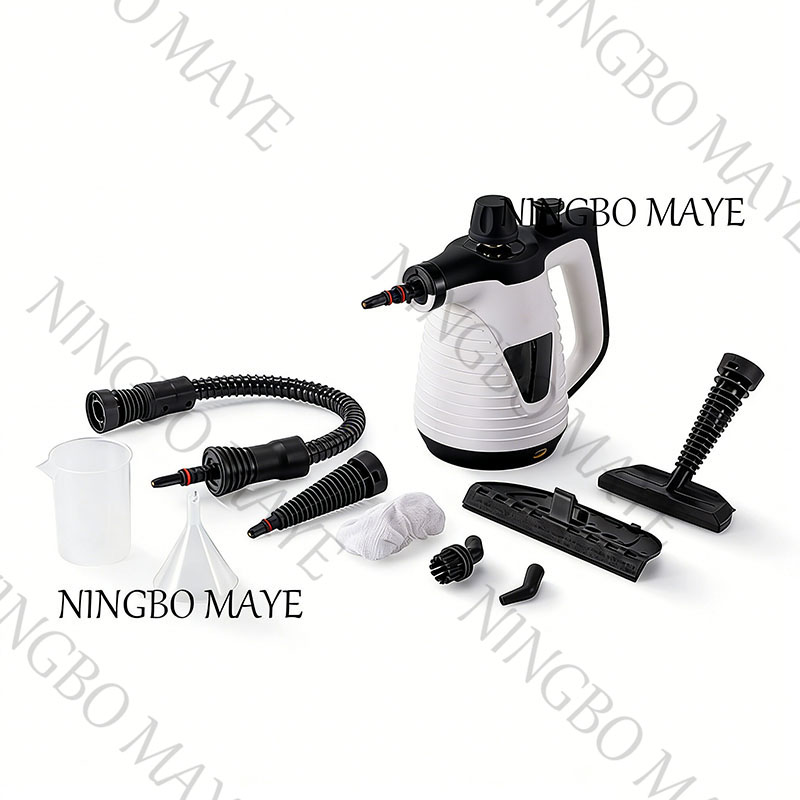
The All In One Multi-Surface Steam Cleaner combines a rolling boiler unit with a comprehensive attachment system that enables a single machine to clean floors, kitchen surfaces, bathroom tiles, upholstery, windows, curtains, and even garments. The cylinder format places the heavy water tank on the floor on wheels and connects to the cleaning wand via a flexible hose, allowing the user to maneuver the lightweight wand freely while the boiler unit follows on the floor.
The larger tank capacity (1.0 to 1.8 liters) provides 30 to 60 minutes of continuous steam, enabling extended whole-home cleaning sessions without the frequent refill interruptions that limit Handheld Steam Cleaner productivity for large-scale tasks. The heat-up time is longer (3 to 8 minutes) than a handheld unit, which makes the All In One Multi-Surface Steam Cleaner better suited to planned cleaning sessions than spontaneous quick tasks.
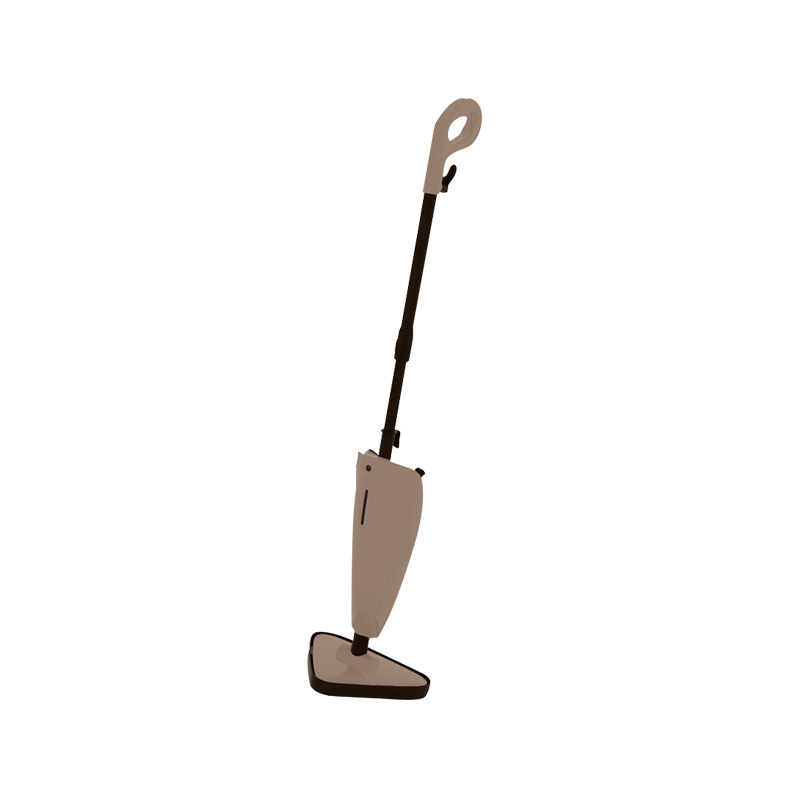
Steam mops are upright units in the form factor of a conventional mop, with the boiler in the handle assembly and a microfiber pad that contacts the floor surface directly below. They are designed exclusively for hard floor cleaning: tile, sealed hardwood, linoleum, and some laminate floors (with caution regarding seam moisture sensitivity). The ergonomic upright posture during use, swivel head that navigates around furniture legs, and immediate floor readiness (typically 15 to 30 seconds heat-up) make steam mops the most practical choice for households where floor mopping is the dominant steam cleaning task.
| Feature | Handheld Steam Cleaner | All In One Multi-Surface Steam Cleaner | Steam Mop |
|---|---|---|---|
| Heat-up time | 20 to 45 seconds | 3 to 8 minutes | 15 to 30 seconds |
| Tank capacity | 100 to 350 ml | 1,000 to 1,800 ml | 400 to 800 ml |
| Continuous steam time | 10 to 20 minutes | 30 to 60 minutes | 15 to 35 minutes |
| Weight | 0.8 to 1.5 kg | 3.5 to 6.0 kg (full tank) | 1.5 to 3.0 kg |
| Surfaces covered | Targeted areas | All home surfaces | Hard floors only |
| Typical price range (USD) | 30 to 120 | 100 to 400 | 40 to 150 |
| Best for | Quick targeted tasks, bathrooms, kitchens | Complete home cleaning sessions | Regular floor maintenance |
Cleaning shower with steamer is one of the most satisfying and effective applications of home steam cleaning because the shower combines four of the most steam-responsive soiling types in a single space: soap scum on glass and tiles, limescale on fittings, mold and mildew in grout, and body oil residues on surfaces. A steam cleaner addresses all four simultaneously in a fraction of the time that conventional cleaning spray-and-scrub methods require.
Weekly steam cleaning of the most contaminated shower surfaces (grout, shower screen, drain area) prevents the accumulation of heavily embedded soap scum and mold that requires prolonged treatment to remove. A weekly cleaning shower with steamer session using a Handheld Steam Cleaner takes approximately 10 to 15 minutes and maintains the shower in a condition where each session is easy rather than facing a progressively more demanding task every time the interval is extended.
Knowing how to use a steam mop correctly is essential because the same steam mop used incorrectly can damage certain floor types or produce disappointing cleaning results on others. The technique requirements differ substantially between floor types, and understanding these differences prevents the flooring damage that leads some users to return steam mops after their first use.
Ceramic and porcelain tile floors are the ideal steam mop application. The non-porous, heat-stable tile surface tolerates the full steam output of any quality steam mop without risk of damage, and the steam penetrates the grout lines between tiles for a level of cleaning that a conventional wet mop cannot match. The correct technique:
Sealed hardwood floors can be steam mopped with caution, provided the surface sealant is intact and in good condition. The risk with steam on hardwood is moisture penetration through damaged or thinning sealant into the wood substrate, which causes swelling, cupping, and finish damage. The safe technique:
Laminate flooring is the most moisture-sensitive floor type that steam mops are sometimes used on, and it is also the floor type most often damaged by steam cleaning misuse. The click-lock seams between laminate planks are the critical vulnerability: if steam moisture penetrates the seam, it causes the HDF core board beneath the decorative surface layer to swell irreversibly, producing lifted edges and visible seam lines that cannot be repaired without replacing the damaged planks. Many laminate manufacturers explicitly void the floor warranty if steam cleaning is used. If steam mopping laminate is unavoidable:
The All In One Multi-Surface Steam Cleaner justifies its higher price and larger storage requirement by eliminating every other surface-specific cleaning product in the home cleaning kit: bathroom tile cleaner, kitchen degreaser, floor cleaner, window cleaner, fabric freshener, and oven cleaner can all be functionally replaced by a quality All In One Multi-Surface Steam Cleaner with its full attachment set. This replacement represents both ongoing cost savings from eliminated cleaning product purchases and health benefits from reduced exposure to the volatile organic compounds, irritant surfactants, and biocidal preservatives in conventional cleaning sprays.
A fully equipped All In One Multi-Surface Steam Cleaner with its complete attachment kit covers every cleanable surface in a typical home:
Steam cleaner safety and maintenance practices directly determine both the equipment's longevity and the consistency of its cleaning performance over time. The most common causes of steam cleaner performance degradation are entirely preventable with simple routine practices.
Hard tap water containing dissolved calcium and magnesium minerals creates scale deposits inside the boiler heating element and steam channels of any home steamers for cleaning over time. Scale acts as thermal insulation on the heating element, reducing heating efficiency, increasing energy consumption, and eventually causing element failure. Scale in the steam channels progressively reduces steam output pressure and flow rate, reducing cleaning effectiveness. Using distilled or demineralized water completely prevents scale formation and is the single most impactful maintenance practice for extending steam cleaner service life. A 50/50 mix of distilled and tap water substantially reduces scale formation compared to pure tap water if distilled water is not consistently available.
For units that have been used with hard tap water and show reduced steam output or increased heat-up time, descaling restores performance:
A steam cleaner is an electric appliance that heats water above 100 degrees Celsius in a sealed boiler to produce pressurized steam, which is directed onto surfaces to dissolve grease, kill bacteria, loosen mineral deposits, and sanitize without chemical cleaning agents. It differs from a regular mop in that the steam penetrates porous surfaces and grout lines where a mop only contacts the top surface, and it differs from spray cleaners in that it leaves no chemical residue, is effective at higher temperatures that kill pathogens, and does not require rinsing after use. The fundamental advantage is simultaneous cleaning and sanitizing with only water, which is both more effective for specific soiling types and eliminates ongoing chemical product costs.
How does a steamer work on grout relies on the pressurized penetration of hot steam into the porous grout matrix. Grout is a cement-based material with a microscopic pore structure that traps soap scum, mold spores, and body oil residues below the visible surface. Conventional scrubbing with a brush and chemical cleaner only contacts the very top of these pores, leaving contamination deeper in the structure that re-emerges at the surface within days. Steam at 2 to 4 bar pressure physically forces the hot vapor into the grout pores at temperatures that dissolve the organic residues and kill the mold at their actual location within the structure. The result after steam cleaning and brushing is a grout surface that is genuinely clean to depth rather than just visually improved at the surface.
Cleaning shower with steamer is safe on ceramic tile, porcelain tile, natural stone with intact sealant, glass shower screens, chrome and stainless steel fittings, and acrylic shower trays. It should not be used on natural stone with damaged or missing sealant (where steam moisture could penetrate and stain the stone), on unsealed natural stone, or on plastic fittings and finishes that may warp or distort at high temperatures. For acrylic shower trays, use low steam pressure settings and keep the nozzle moving to avoid prolonged heat concentration at any single point that could distort the acrylic surface.
The best home steamers for cleaning a shower are either a quality Handheld Steam Cleaner at 3 bar or above with the jet nozzle and brush attachment for grout and a squeegee attachment for the shower screen, or the wand of an All In One Multi-Surface Steam Cleaner used with the same attachments. The Handheld Steam Cleaner has the advantage of being ready in under 45 seconds and weighing under 1.5 kg, making weekly shower maintenance quick and convenient. The All In One Multi-Surface Steam Cleaner is preferred when the shower cleaning session is part of a broader whole-bathroom deep clean, because its larger tank eliminates refill interruptions and its broader attachment range covers every bathroom surface in a single session.
To use a steam mop safely on sealed hardwood floors: first confirm the floor sealant is intact and in good condition (if the floor absorbs water drops rather than beading them, the sealant is compromised and steam mopping should not be attempted); test an inconspicuous area first; use the lowest steam setting available; keep the mop moving continuously without any pausing; do not go over the same area more than twice in one session; and allow the floor to dry fully before foot traffic. Never use a steam mop on unsealed, oiled, or waxed hardwood, as these finishes cannot withstand moisture exposure and steam will cause immediate surface damage.
A thorough cleaning shower with steamer session using a Handheld Steam Cleaner takes approximately 10 to 15 minutes for a standard shower enclosure (1.0 x 1.0 meter tile area, one glass screen, fittings, and tray) when the shower is cleaned on a regular weekly basis. This compares to 25 to 40 minutes for the equivalent clean using spray chemicals and manual scrubbing, because the steam dissolves soap scum and loosens grout contamination in seconds rather than requiring extended chemical dwell time and physical scrubbing effort. For a shower that has not been cleaned for several weeks, the first steam session may take 20 to 30 minutes for heavily embedded contamination, but subsequent weekly sessions will return to the 10 to 15 minute baseline.
An All In One Multi-Surface Steam Cleaner can functionally replace floor cleaners, tile and bathroom disinfectants, kitchen surface degreasers, window cleaners, fabric fresheners, and general surface sprays for most everyday household cleaning tasks. It cannot replace toilet bowl cleaners (which must work in the presence of water on vertical ceramic surfaces below the waterline), chemical descalers for very heavy limescale deposits (where citric acid treatment is more effective than steam alone), enzymatic stain removers for specific protein and tannin stains, and mold removal products for mold that has penetrated porous materials more deeply than steam can reach. For most households, a quality All In One Multi-Surface Steam Cleaner can eliminate 60% to 80% of ongoing cleaning product purchases while delivering equivalent or better cleaning results for steam-appropriate surfaces.
Maintain your Handheld Steam Cleaner by: using distilled or filtered water in every fill to prevent scale buildup that progressively reduces performance; descaling every 4 to 8 weeks with a 50/50 white vinegar and distilled water solution run through the unit if tap water is used; cleaning the external nozzle opening with a pin or needle if scale from steam deposits blocks the outlet; wiping external surfaces with a damp cloth after each use; storing with the water tank empty to prevent stagnant water sitting in the boiler between uses; and keeping the unit in a cool, dry location away from temperature extremes that could degrade the seals and water tank over time.
A Handheld Steam Cleaner is a compact, self-contained unit weighing 0.8 to 1.5 kg with the boiler and nozzle in one hand-held housing. It heats in 20 to 45 seconds and provides 10 to 20 minutes of steam per tank fill, best suited for targeted spot cleaning tasks. An All In One Multi-Surface Steam Cleaner is a cylinder unit where a wheeled boiler unit connects via hose to a cleaning wand, holding 1.0 to 1.8 liters of water for 30 to 60 minutes of continuous steam. It takes 3 to 8 minutes to heat up, covers every surface in the home with its complete attachment system, and is best suited for planned whole-home cleaning sessions. The Handheld Steam Cleaner prioritizes convenience for quick tasks; the All In One Multi-Surface Steam Cleaner prioritizes versatility and session length for thorough cleaning.
The recommended frequency depends on the surface and its soiling rate: bathrooms (tiles, grout, fixtures, shower) benefit from weekly steam cleaning to prevent the heavy soap scum and mold accumulation that makes monthly cleaning sessions progressively harder; kitchen surfaces (cooktop, splashback, appliances) should be steam cleaned weekly in active cooking households; hard floors benefit from weekly or fortnightly steam mopping to maintain sanitation and appearance; mattresses and upholstered furniture should be steam cleaned monthly to control dust mite populations; and carpets can be spot-treated with steam as needed for stains and odors. For households using steam cleaning as a complete replacement for chemical cleaning products, weekly kitchen and bathroom sessions plus fortnightly floor sessions cover the core cleaning requirements that would otherwise require multiple separate chemical products and tools.
Related Products

Address
East Zone Development Zone Lingshan Town Yuyao City Zhejiang P.R.C.
Tel
+86-18905840666 / +86-574-62067822
+86-15905848828
QR CODE
 Wholesale Multifunctional Steam Cleaner Manufacturers

 English
 Español