
 English
 Español
What Steam Cleaners Do and Which Type You Need
A steam cleaner heats water to above 100 degrees Celsius in a sealed boiler and releases the pressurized steam through nozzles and attachments onto surfaces, dissolving grease, loosening mineral deposits, killing bacteria and dust mites on contact, and sanitizing without any chemical cleaning agents. The key practical distinction in choosing between the main steam cleaner types is whether you need speed and portability for targeted tasks (Handheld Steam Cleaner), maximum versatility for whole-home cleaning sessions (All In One Multi-Surface Steam Cleaner), or the best available commercial combination of value and performance (All In One Hot Sale Steam Cleaner).
For users specifically following instructions for shark steam cleaner products or similar upright steam mop formats, the setup and operating sequence is essentially the same across all brands: fill the tank with the correct water type, allow the full heat-up time, attach the correct accessory for the surface being cleaned, apply steam while wiping immediately, and maintain the machine between sessions to preserve performance.
What can you clean with a steam cleaner covers almost every hard and soft surface in the home: tile and grout, sealed hardwood and stone floors, kitchen appliances and surfaces, bathroom fixtures, upholstery, mattresses, curtains, car interiors, and even carpet for spot treatment. The few surfaces that must not be steam cleaned are unsealed hardwood, laminate with moisture-sensitive seams, silk and velvet fabrics, and painted surfaces with water-sensitive finishes.
Instructions for Shark Steam Cleaner and General Steam Cleaner Setup
Instructions for shark steam cleaner products follow the same fundamental sequence as all household steam cleaners. Shark is one of the most widely sold steam cleaner brands globally, and its product line spans steam mops, handheld units, and combination steam vacuum cleaners. The following instructions apply to Shark steam mops and most other similar Household Steam Cleaner products.
Step-by-Step Setup Instructions for Shark Steam Cleaner
- Fill the water tank with distilled or filtered water. Most instructions for shark steam cleaner manuals specifically recommend distilled water over tap water to prevent mineral scale buildup inside the boiler. Fill only to the marked maximum water level; overfilling causes wet, poorly pressurized steam that leaves surfaces wetter than necessary.
- Attach the correct cleaning pad or accessory before plugging in. For the Shark steam mop range, attach the microfiber floor pad to the mop head before the unit heats up. For cylinder-type Household Steam Cleaner units, attach the floor pad, jet nozzle, or brush appropriate to the first cleaning task before powering on.
- Plug the unit into a standard power outlet and allow the full heat-up time. Shark steam mops typically heat up in 30 seconds. Larger cylinder Household Steam Cleaner units take 3 to 8 minutes. Do not begin cleaning before the ready indicator lights or sounds, as pre-ready steam lacks sufficient pressure and temperature for effective cleaning.
- Direct the first burst of steam away from the cleaning surface. The very first steam release after heat-up contains condensed water droplets from the cold nozzle. Directing this burst into a cloth or at the floor away from a sensitive surface prevents water spotting.
- Apply steam to the surface using the appropriate technique for the surface type (covered in detail in the sections below for specific surface categories).
- Wipe immediately after steaming. Steam loosens soil but does not physically remove it. The microfiber pad, cloth, or brush attachment must follow immediately behind the steam application to capture loosened contaminants before they re-adhere as the surface cools.
- Allow the unit to fully depressurize before refilling. After use, wait the manufacturer-specified cooldown period (typically 2 to 5 minutes) before opening the water cap. Opening a pressurized tank releases sudden steam that causes burns.
Water Quality: The Most Important Setup Decision
Using distilled or demineralized water is the single most impactful setup choice for any Household Steam Cleaner. Tap water containing dissolved calcium and magnesium minerals creates limescale deposits inside the boiler heating element and steam output channels. Scale insulates the heating element, reducing efficiency and increasing energy consumption. Scale in the output channels progressively reduces steam pressure, slowing heat-up times and weakening cleaning performance. Using distilled water completely prevents scale formation. A 50/50 mix of distilled and tap water substantially reduces scale formation when distilled water is not consistently available.
How to Clean a Steamer: Maintenance That Protects Long-Term Performance
Knowing how to clean a steamer is as important as knowing how to use one, because a poorly maintained steam cleaner progressively loses cleaning effectiveness and eventually fails prematurely. The two main maintenance tasks for any Household Steam Cleaner, Handheld Steam Cleaner, or All In One Multi-Surface Steam Cleaner are descaling the boiler and cleaning the external nozzles and attachments.
How to Clean a Steamer Boiler: Descaling Procedure
Descaling should be performed every 4 to 8 weeks for units used with tap water, or every 3 to 6 months for units used with distilled water. Signs that descaling is overdue include: longer heat-up time than when the unit was new, reduced steam flow rate, steam that feels wetter than usual, or visible white mineral deposits around the nozzle outlet.
- Fill the water tank with a 50/50 mixture of white distilled vinegar and water. For units where the manufacturer recommends only proprietary descaling tablets, use those instead of vinegar to protect the warranty.
- Run the unit for 2 to 3 minutes to distribute the descaling solution through the boiler and internal channels, then switch off and allow the solution to soak inside for 30 minutes.
- Switch on again and run until the tank is completely empty, directing the steam output into a sink or bucket to safely dispose of the mineral-laden solution.
- Fill the tank with clean distilled water and run the full tank through the unit to flush all vinegar residue from the system.
- Repeat the clean water flush with a second full tank before returning to normal cleaning use to ensure no vinegar taste or odor remains in the steam.
How to Clean a Steamer: Nozzles, Attachments, and External Surfaces
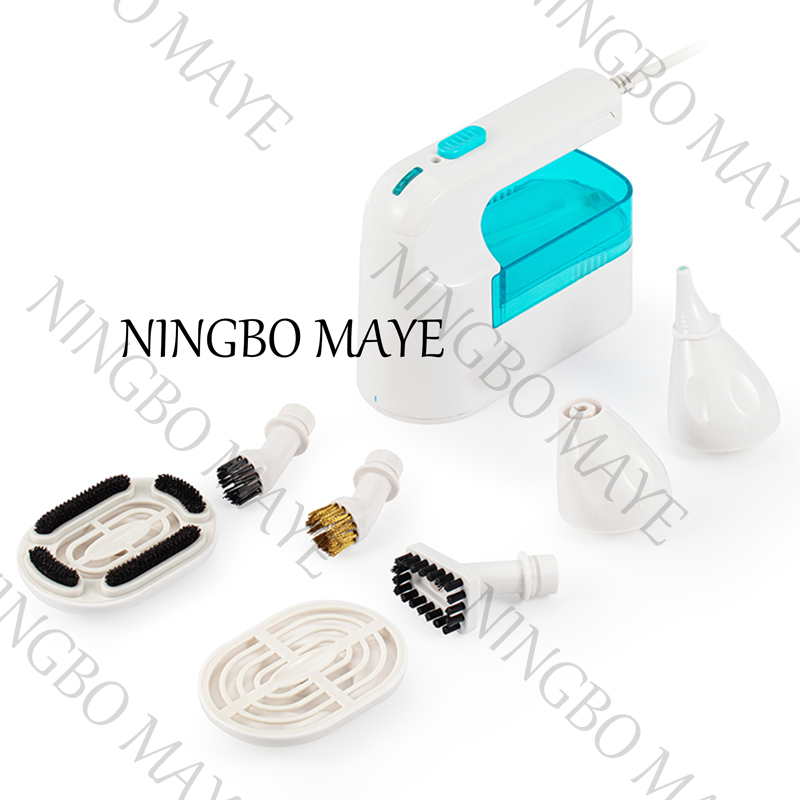
- Jet nozzle and brush attachments: Soak in a 50/50 vinegar-water solution for 30 minutes monthly to dissolve scale that accumulates at the nozzle outlet from hard water steam deposits. Use a thin pin or needle to clear any visible blockage in the nozzle hole while the attachment is cool and depressurized.
- Microfiber floor pads: Remove after each cleaning session and machine wash at 60 degrees Celsius to remove collected soil and prevent bacteria from growing in the damp pad between uses. Do not use fabric softener on microfiber pads, which coats the fibers and reduces their ability to collect soil.
- External unit body: Wipe with a damp cloth after each session to remove dust and any cleaning residue. Never submerge the steam cleaner body or use a wet cloth near the electrical connections, power cord, or steam output valve.
- Water tank cap and seal: Inspect the tank cap rubber seal regularly for cracking or deformation that could allow steam to escape from the cap area. A damaged seal should be replaced before further use.
How to Use a Steam Cleaner on Carpet: Technique and Safety
Understanding how to use a steam cleaner on carpet correctly is important because improper technique can leave carpet overly wet, potentially causing mold growth in the carpet backing or underlay, or can damage heat-sensitive carpet fiber types. Steam is effective for carpet spot treatment and odor elimination, but it works differently on carpet than on hard surfaces and requires adapted technique.
What Type of Steam Cleaner Works on Carpet
Not all steam cleaners are suitable for carpet cleaning. The appropriate tools for how to use a steam cleaner on carpet are:
- Handheld Steam Cleaner with upholstery or fabric attachment: Best for carpet spot treatment. The upholstery nozzle (a wide diffuser) distributes steam over the affected carpet area without concentrating too much moisture at a single point.
- All In One Multi-Surface Steam Cleaner with carpet glider attachment: Some cylinder Household Steam Cleaner and All In One Hot Sale Steam Cleaner products include a carpet glider attachment that fits over the steam nozzle and allows it to slide across the carpet surface, delivering steam through the carpet fiber layer for deeper sanitizing treatment.
- Dedicated carpet steam cleaner (not a steam mop): A full hot water extraction machine (often also called a steam cleaner despite using hot water rather than true steam) is more effective for whole-room carpet deep cleaning than a household steam mop, because it injects hot water and detergent and simultaneously extracts the dirty water.
Step-by-Step: How to Use a Steam Cleaner on Carpet for Spot Treatment
- Vacuum the carpet first. Removing loose dirt, hair, and debris before steaming prevents these particles from being pushed deeper into the carpet pile by the steam pressure.
- Attach the fabric or upholstery nozzle to the Handheld Steam Cleaner or the wand of the All In One Multi-Surface Steam Cleaner. This wider diffuser is essential; using a concentrated jet nozzle on carpet delivers too much moisture to a single point.
- Hold the nozzle 3 to 5 cm above the carpet surface, not in direct contact with the carpet fiber. This distance allows steam to penetrate the fiber layer without saturating it with condensed water.
- Move the nozzle slowly across the carpet in overlapping passes at approximately 2 to 3 cm per second. Do not hold the nozzle stationary over any spot.
- Blot the treated area immediately with a clean dry microfiber cloth, pressing firmly to absorb both the loosened soil and the steam condensation. Do not rub, which spreads the soil laterally through the carpet pile.
- Allow 2 to 4 hours of air drying in a ventilated room before foot traffic. Use a fan directed at the treated area to accelerate drying. Never place furniture over a damp carpet area.
Important: Do not use a steam cleaner on wool carpet, sisal, jute, or any natural fiber carpet where the manufacturer's care label indicates no water or no heat treatment. These fibers can shrink, distort, or permanently change texture when exposed to the combination of heat and moisture that steam cleaning delivers.
What Can You Clean with a Steam Cleaner: The Complete Room-by-Room Guide
What can you clean with a steam cleaner is one of the most searched questions about these products, and the answer is more comprehensive than most buyers expect when they first purchase a Household Steam Cleaner. Steam is effective on virtually every hard surface in the home and on most soft surfaces when the correct nozzle and technique are used.
Kitchen
- Cooktop and hob: Steam dissolves cooking grease and baked-on food residue in seconds when the jet nozzle is applied and the surface wiped immediately. Steam cleaning a greasy cooktop takes 5 to 8 minutes compared to 25 to 35 minutes of spray chemical soaking and manual scrubbing for the same result.
- Oven interior: Apply steam to oven walls and door glass using the rectangular pad attachment, allow 30 seconds of steam contact for thick baked-on grease, then wipe immediately with a microfiber cloth.
- Microwave interior: Apply the jet nozzle to the cavity walls to dissolve food splatter that has dried onto the surfaces. The steam penetrates the hardened residue and the heat softens it for easy wipe removal.
- Refrigerator door seals: The jet nozzle applied along the rubber door seal kills mold and bacteria that colonize the grooves, which are otherwise very difficult to clean with a conventional cloth.
- Kitchen tile and grout: The single most impressive steam cleaning application in the kitchen; grout that has resisted cleaning for months responds visibly within seconds of steam and brush treatment.
Bathroom
- Shower tiles and grout: Steam penetrates grout pores to kill mold colonies below the visible surface, not just the surface growth that chemical sprays address.
- Shower screen glass: The jet nozzle or squeegee attachment dissolves soap scum and limescale that cause glass fogging, followed by a squeegee or dry cloth for a streak-free finish.
- Taps and showerhead: Steam blast directed into the showerhead holes clears internal limescale and kills bacterial colonies that accumulate inside showerheads without requiring dismantling.
- Toilet exterior: The jet nozzle cleans all external toilet surfaces including the base junction with the floor where standard mops cannot reach effectively.
Living Areas and Bedrooms
- Hard floors (tile, sealed hardwood, stone): The steam mop attachment provides the most efficient floor cleaning, requiring only a slow overlapping pass and immediate wipe to remove soil that has not reached the deep-embedded level.
- Upholstered furniture: The fabric nozzle held 3 to 5 cm from the surface delivers sanitizing heat to sofas, chairs, and cushions, killing dust mites without leaving chemical residue.
- Mattresses: Monthly steam treatment with the fabric nozzle kills dust mite populations that accumulate regardless of sheet washing frequency. Allow 2 to 4 hours of air drying before remaking the bed.
- Windows and mirrors: The window squeegee attachment applies steam and immediately removes dissolved deposits in one motion, providing a streak-free clean without glass cleaner spray.
- Curtains: The fabric nozzle used at a slight distance freshens and deodorizes curtains between washing cycles, removing household odors absorbed by fabric over time.
Surfaces Steam Cleaners Must Not Be Used On
- Unsealed hardwood flooring (moisture penetrates and causes swelling and finish damage)
- Laminate flooring with moisture-sensitive click-lock seams
- Silk, velvet, and delicate natural fiber fabrics that distort or sheen under heat
- Painted surfaces with water-sensitive or temperature-sensitive finishes
- Cold glass surfaces (the thermal shock of hot steam on very cold glass can cause cracking)
Household Steam Cleaner, Handheld Steam Cleaner, All In One Hot Sale Steam Cleaner and All In One Multi-Surface Steam Cleaner: Which to Buy
The steam cleaner market offers four main product categories for home use, each suited to different cleaning priorities, household sizes, and budgets. The following comparison helps buyers match their needs to the correct product category.
Household Steam Cleaner (Steam Mop Format)
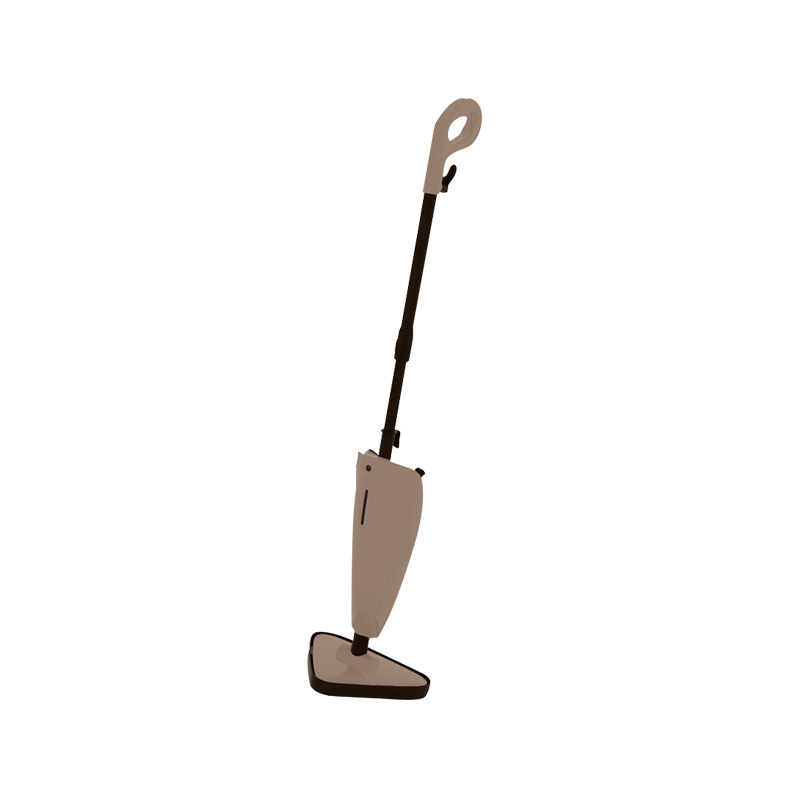
The standard Household Steam Cleaner in steam mop format is an upright unit designed primarily for hard floor cleaning. The boiler is integrated into the handle assembly and the cleaning head with attached microfiber pad sits flat on the floor. This format prioritizes ease of use for the most common daily cleaning task in homes with significant hard floor area. Heat-up time is typically 15 to 30 seconds, steam time per fill is 20 to 35 minutes, and the floor-only application makes it the simplest product to use with minimal setup. The limitation is that its floor-only capability means a second product is needed for bathroom, kitchen, and upholstery steam cleaning tasks.
Handheld Steam Cleaner
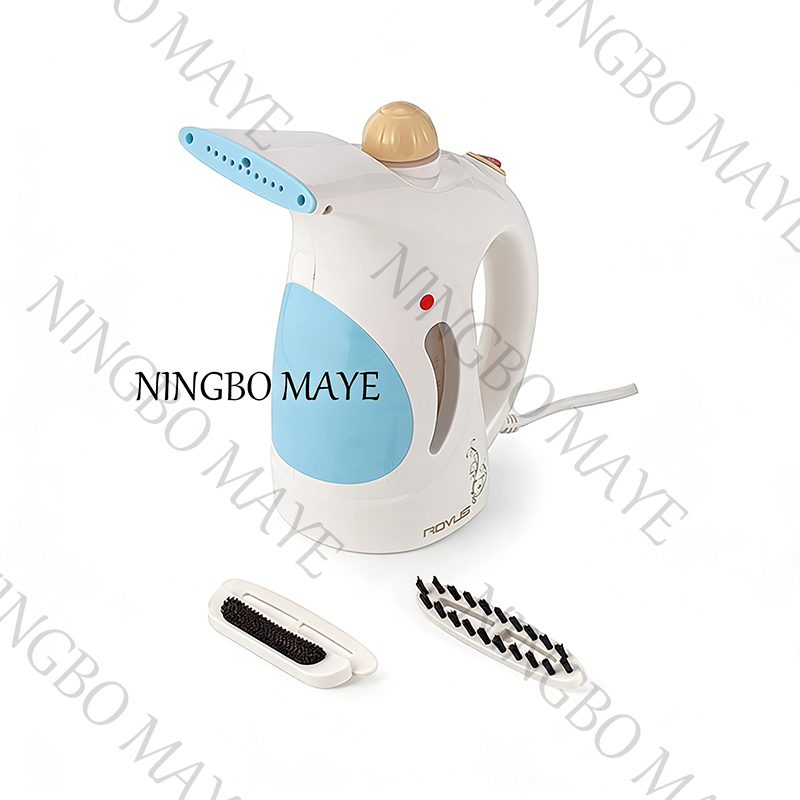
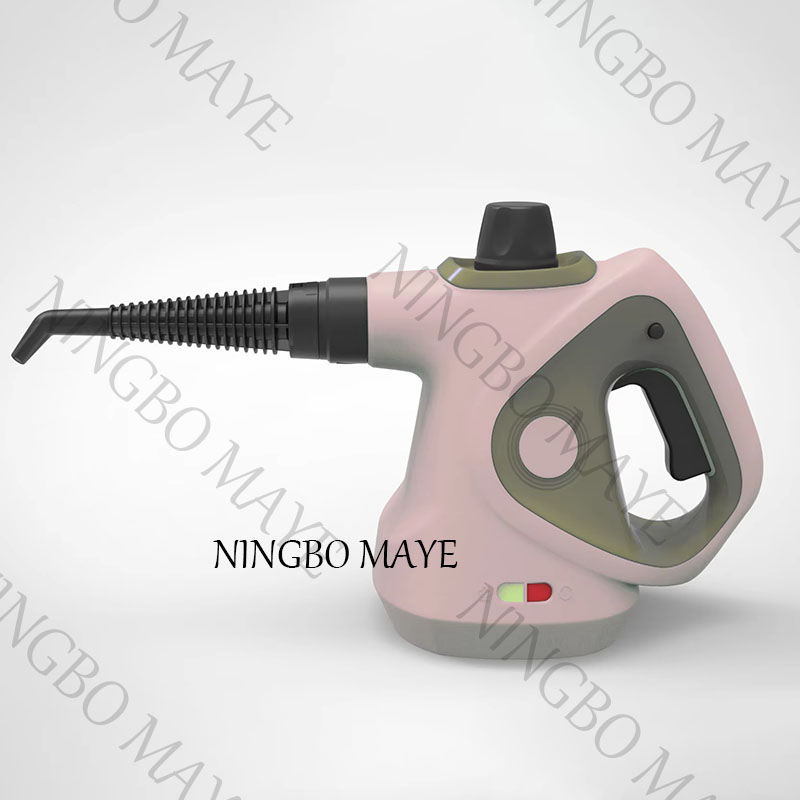
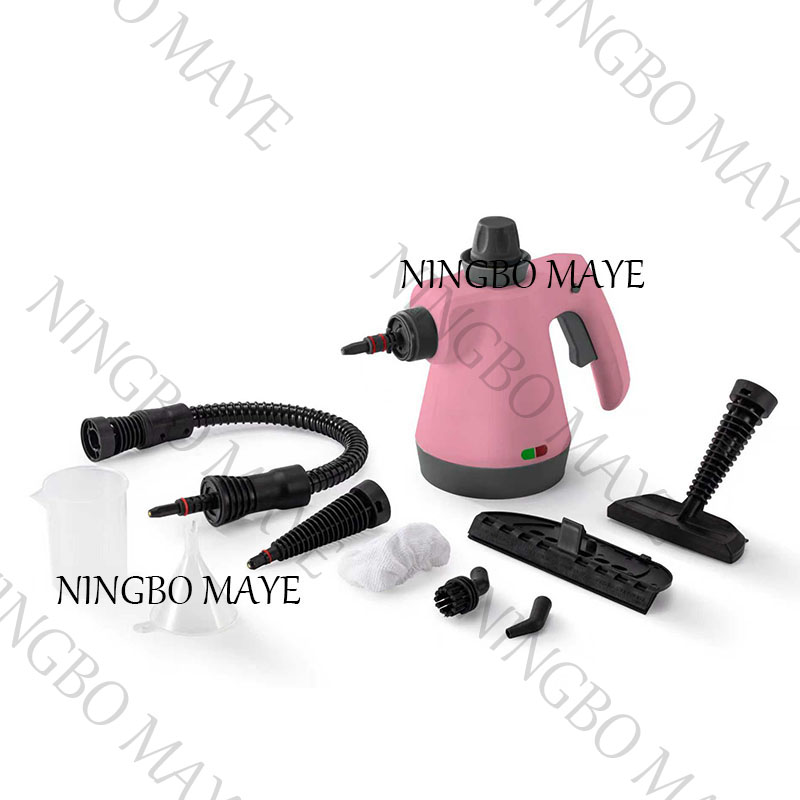
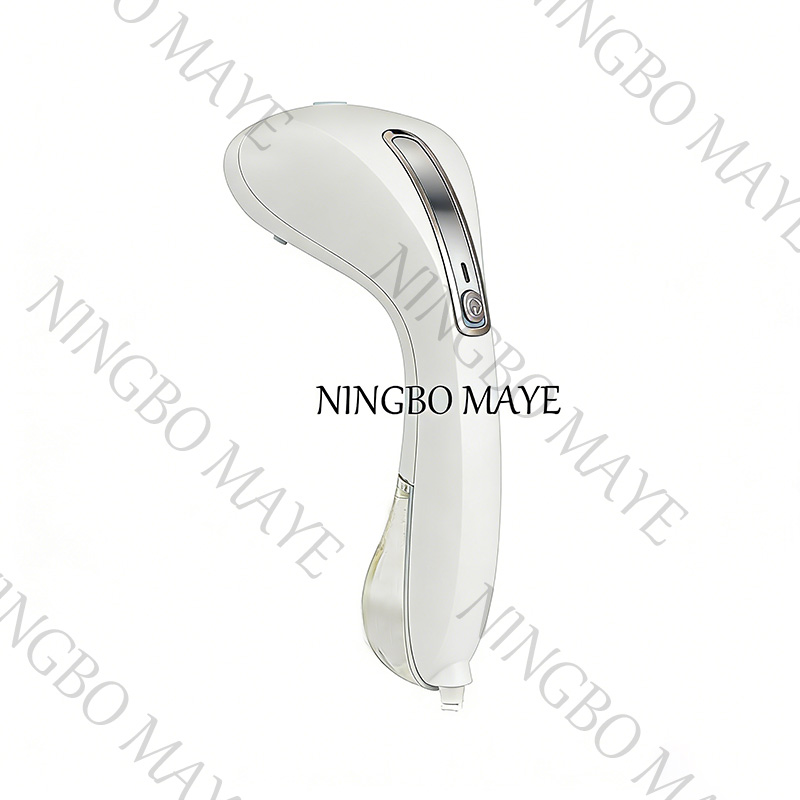
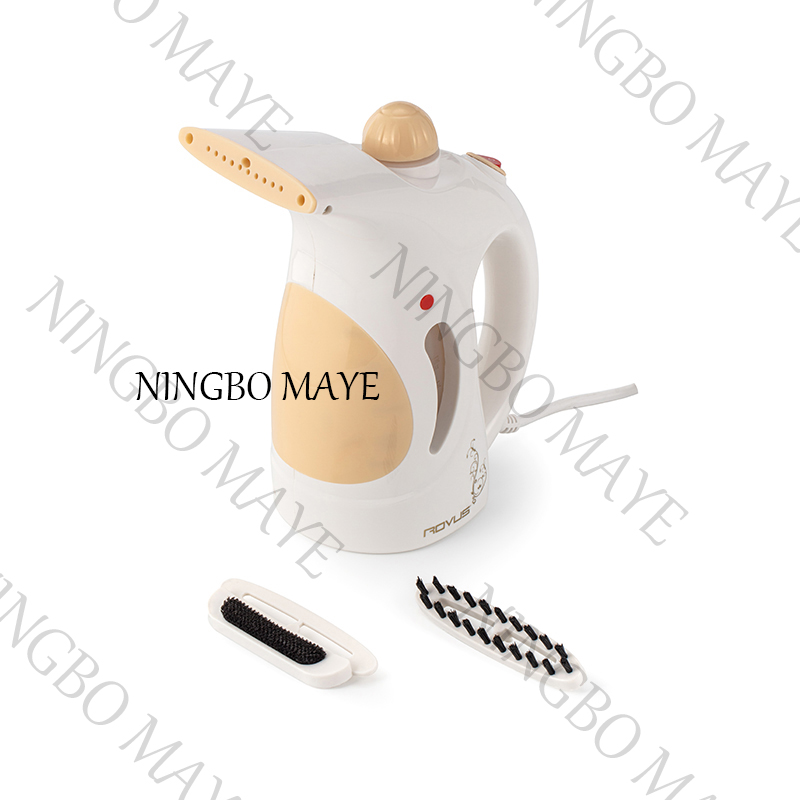
The Handheld Steam Cleaner is a compact, self-contained unit weighing 0.8 to 1.5 kg with the boiler, water tank, and nozzle in a single hand-grippable housing. It heats up in 20 to 45 seconds and provides 10 to 20 minutes of steam per fill. The fast heat-up time is its primary advantage, making it as convenient as reaching for a spray bottle for quick targeted cleaning tasks. Its 100 to 350 ml tank limits session length, but for the targeted bathroom, kitchen, and spot cleaning tasks where it performs best, this capacity is adequate. The Handheld Steam Cleaner is the most versatile quick-use product and complements a steam mop perfectly for households that want both floor and surface steam cleaning capability.
All In One Hot Sale Steam Cleaner
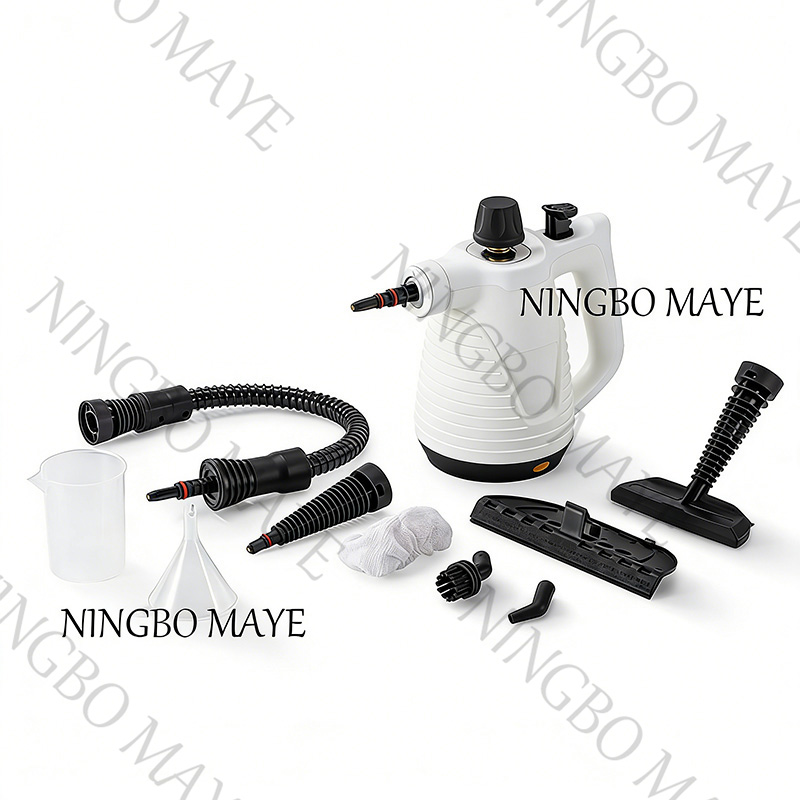
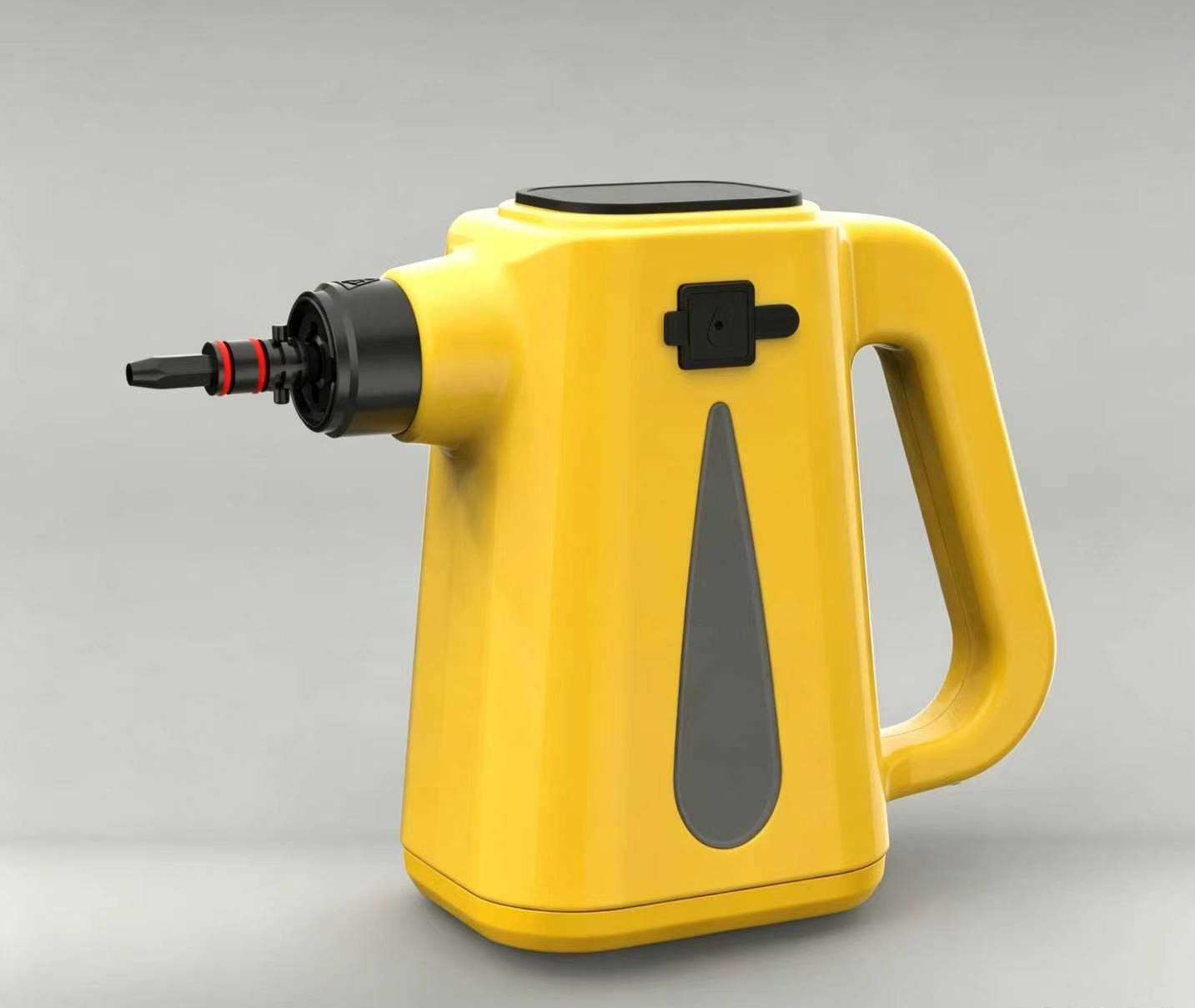
The All In One Hot Sale Steam Cleaner describes multi-function cylinder steam cleaners that combine the full surface versatility of premium cylinder units with competitive pricing that reflects either promotional pricing or value-tier positioning in the market. These units typically offer a 1.0 to 1.5 liter water tank, 25 to 45 minutes of steam time, operating pressure of 2.5 to 3.5 bar, and a comprehensive attachment kit covering floors, kitchen surfaces, bathrooms, and soft furnishings. An All In One Hot Sale Steam Cleaner provides the widest accessible range of cleaning capability per dollar spent, making it the practical first choice for buyers who want whole-home steam cleaning versatility without the premium pricing of top-tier products.
All In One Multi-Surface Steam Cleaner
The All In One Multi-Surface Steam Cleaner is the premium cylinder steam cleaner category where the primary specification differentiators are operating pressure (3.5 to 5.0 bar for genuinely effective deep cleaning of grout, grease, and mineral deposits), tank capacity (1.5 to 1.8 liters for 45 to 60 minutes of continuous steam), comprehensive premium attachment kit, and continuous fill capability that allows refilling without a full cooldown wait. This category is the correct choice for households that want to replace virtually all chemical cleaning products with a single steam-based solution, or for users who have experienced under-performing budget steam cleaners and understand why pressure matters for actual cleaning outcomes.
Steam Cleaner Type Comparison
| Feature | Household Steam Cleaner (Mop) | Handheld Steam Cleaner | All In One Hot Sale Steam Cleaner | All In One Multi-Surface Steam Cleaner |
|---|---|---|---|---|
| Heat-up time | 15 to 30 sec | 20 to 45 sec | 3 to 6 min | 4 to 8 min |
| Tank capacity | 400 to 800 ml | 100 to 350 ml | 1,000 to 1,500 ml | 1,500 to 1,800 ml |
| Continuous steam time | 15 to 35 min | 10 to 20 min | 25 to 45 min | 45 to 60 min |
| Operating pressure | 1.0 to 2.0 bar | 2.0 to 4.0 bar | 2.5 to 3.5 bar | 3.5 to 5.0 bar |
| Surfaces covered | Hard floors only | Targeted surfaces | All home surfaces | All home surfaces |
| Best for | Daily floor maintenance | Quick targeted tasks | Value whole-home cleaning | Premium whole-home cleaning |
Frequently Asked Questions
1. What are the basic instructions for shark steam cleaner setup?
The basic instructions for shark steam cleaner setup are: fill the tank with distilled water to the maximum marked level; attach the correct pad or accessory before plugging in; plug into a standard outlet and wait for the ready indicator (approximately 30 seconds for Shark steam mops); direct the first steam burst away from the cleaning surface to clear condensed water from the nozzle; then apply steam to the target surface while keeping the mop head moving at all times. Never hold the steam mop stationary on any floor surface. After use, empty any remaining water from the tank, allow the unit to cool fully, and store with the water tank empty to prevent bacterial growth in standing water.
2. How do you clean a steamer to remove scale buildup?
To clean a steamer of scale buildup, fill the water tank with a 50/50 mixture of white distilled vinegar and water. Run the unit for 2 to 3 minutes, then switch off and allow the solution to soak inside the boiler for 30 minutes. Restart and run the tank completely empty through the steam output. Fill with clean distilled water and run a complete flush through the unit. Repeat the clean water flush a second time before returning to normal use. Perform this descaling procedure every 4 to 8 weeks if using tap water, or every 3 to 6 months if using distilled water. Always check the manufacturer's instructions for shark steam cleaner products or any specific unit, as some manufacturers recommend proprietary descaling solutions to protect the warranty.
3. How to use a steam cleaner on carpet without causing damage?
To use a steam cleaner on carpet without causing damage: vacuum first to remove loose debris; attach the fabric or upholstery diffuser nozzle rather than the concentrated jet nozzle; hold the nozzle 3 to 5 cm above the carpet surface without direct contact; move the nozzle slowly in continuous overlapping passes without pausing; blot (do not rub) the treated area immediately with a clean dry microfiber cloth; and allow 2 to 4 hours of air drying in a ventilated room before foot traffic. Do not use steam on wool, sisal, jute, or other natural fiber carpets where heat and moisture cause shrinkage. Do not use a steam mop head directly on carpet as it delivers too much moisture at floor level.
4. What can you clean with a steam cleaner in the kitchen?
What can you clean with a steam cleaner in the kitchen covers almost every surface: cooktops and hob surfaces, oven interiors and door glass, microwave cavities, refrigerator door seals and exterior surfaces, kitchen tile and grout, splashbacks, countertops, sink and tap fixtures, hood and extractor fan grilles, and small appliance exteriors including coffee machines, toasters, and blenders. The steam dissolves cooking grease, baked-on food residue, and mineral deposits more effectively than cold or room-temperature water, and leaves no chemical residue on food preparation surfaces, which is a health benefit that chemical kitchen cleaners cannot provide.
5. What is the difference between a Handheld Steam Cleaner and an All In One Multi-Surface Steam Cleaner?
A Handheld Steam Cleaner is a compact, lightweight (0.8 to 1.5 kg) self-contained unit with a small tank (100 to 350 ml) providing 10 to 20 minutes of steam, best for quick targeted cleaning tasks with its 20 to 45 second heat-up time. An All In One Multi-Surface Steam Cleaner is a larger cylinder unit with a rolling boiler connected by hose to a cleaning wand, offering a 1.5 to 1.8 liter tank for 45 to 60 minutes of continuous steam, a comprehensive attachment kit, and higher pressure (3.5 to 5.0 bar) for deeper cleaning of grout, grease, and mineral deposits on every home surface. The All In One Multi-Surface Steam Cleaner takes 4 to 8 minutes to heat up and is suited to planned cleaning sessions rather than quick tasks.
6. How often should I steam clean my bathroom?
Bathrooms benefit from weekly steam cleaning of the most contamination-prone surfaces: grout lines, shower screen or bath surround, and tap fixtures. A weekly 10 to 15 minute session with a Handheld Steam Cleaner or the wand attachment of an All In One Hot Sale Steam Cleaner prevents the heavy soap scum and mold accumulation that makes monthly cleaning sessions progressively harder. Complete bathroom steam cleaning including tiles, floor, toilet exterior, and sink takes approximately 20 to 30 minutes weekly when maintained on this schedule. Without regular steam maintenance, the same work takes 45 to 60 minutes or more monthly because embedded contamination requires multiple steam passes and more scrubbing effort.
7. Can the All In One Hot Sale Steam Cleaner replace chemical cleaning products?
An All In One Hot Sale Steam Cleaner can replace the majority of household chemical cleaning products including floor cleaners, bathroom tile and fixture cleaners, kitchen degreasers, window cleaners, and general surface sanitizing sprays. It cannot fully replace toilet bowl cleaners (which must work submerged in water below the waterline), chemical descalers for very heavy limescale accumulation that steam alone cannot soften, and enzymatic stain removers for specific protein and tannin stains. For most households, an All In One Hot Sale Steam Cleaner eliminates 60% to 80% of ongoing cleaning product purchases while delivering equivalent or better results on steam-appropriate surfaces, creating both cost savings and reduction of chemical exposure in the home environment.
8. What type of water should I use in any steam cleaner?
Distilled or demineralized water is the best choice for any steam cleaner including the Household Steam Cleaner, Handheld Steam Cleaner, All In One Hot Sale Steam Cleaner, and All In One Multi-Surface Steam Cleaner. Distilled water contains no dissolved minerals and therefore creates no scale deposits inside the boiler, maintaining consistent steam pressure, reducing energy consumption, and extending the machine's service life. If distilled water is not consistently available, a 50/50 mix of tap and distilled water substantially reduces scale formation compared to undiluted tap water. Never use mineral spring water, flavored water, or any liquid other than water in a steam cleaner, as these leave residues that block steam channels and can damage the heating element.
9. Is steam cleaning safe for children and pets in the home?
Steam cleaning is safe for homes with children and pets after the cleaning session is complete, because steam leaves no chemical residue on treated surfaces. Cleaned surfaces are safe for contact as soon as they have cooled from the steam application, with no drying time or airing-out period required as with chemical cleaning products. During the actual cleaning session, keep children and pets out of the cleaning area because the steam output at 120 to 160 degrees Celsius causes immediate burns on contact with skin. After cleaning is complete and surfaces have cooled, there is no residue or chemical risk, making steam cleaning the preferred cleaning method for play areas, high-touch children's surfaces, and pet-contact areas where chemical residues from conventional cleaners create contact exposure concerns.
10. How do I know if my steam cleaner needs descaling?
Signs that your steam cleaner needs descaling include: longer heat-up time than when the unit was new; reduced steam flow rate that produces less steam volume per trigger press; steam that feels wetter or less hot than usual; visible white or grey mineral deposits around the nozzle outlet or on the steam pad after a session; the unit making louder or different sounds during heating compared to its normal operating sound; or the unit shutting off with a thermal overload indicator before the tank is empty, indicating the heating element is working harder than normal to maintain temperature against scale insulation. If you observe any of these signs, perform the descaling procedure before the next cleaning session to restore performance.