2026-05-07
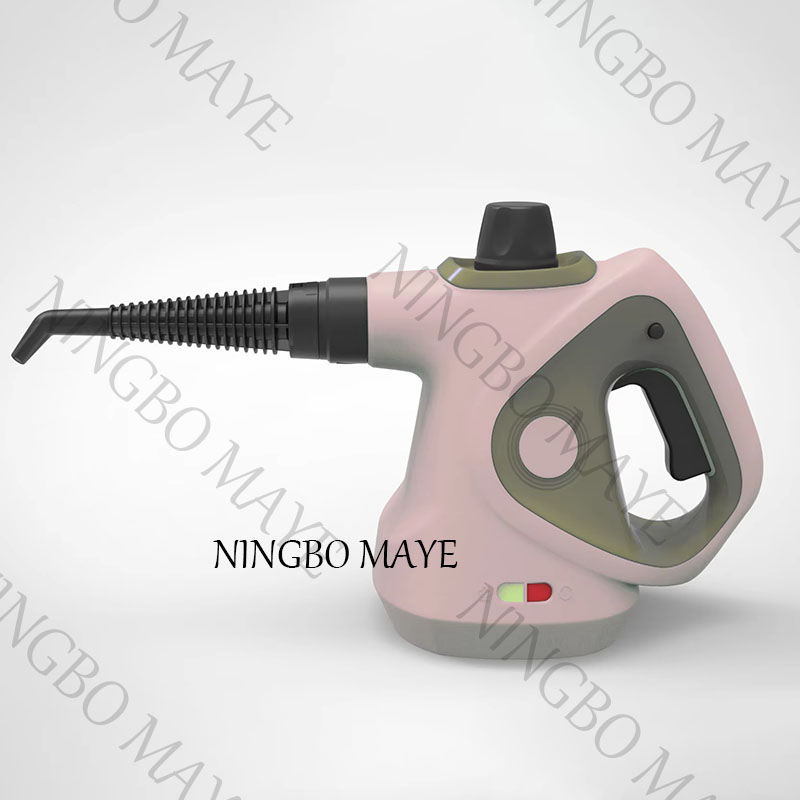
For decades, household cleaning has relied on an arsenal of chemical sprays, single-use wipes, and abrasive scrubbers. While these products promise to eliminate dirt and germs, they also introduce volatile organic compounds, plastic waste, and recurring expenses. The household steam cleaner has emerged as a transformative alternative—a device that harnesses the natural power of high‑temperature, pressurized steam to dissolve grime, erase grease, and eliminate 99.9% of bacteria and dust mites, using nothing but ordinary tap water. From kitchens and bathrooms to upholstery and tile grout, steam cleaners are redefining what “clean” means: safe, sustainable, and deeply effective. But what makes them superior to traditional methods, and why are millions of households making the switch? Let’s explore the science, versatility, and undeniable benefits of this home‑essential tool.
At its core, a household steam cleaner is a simple yet brilliantly engineered appliance. Water is poured into a sealed tank, where a heating element raises the temperature to between 200°F and 245°F (93°C – 118°C). Once converted into dry vapor steam, it is expelled through nozzles or attachments at low to moderate pressure. Unlike boiling water, this steam has low moisture content, meaning it evaporates quickly and leaves surfaces almost dry. The extreme heat breaks down molecular bonds in grease, soap scum, and sticky residues while simultaneously denaturing proteins in bacteria, viruses, mold, and dust mites. The CDC and multiple independent studies confirm that steam above 212°F achieves thermal disinfection on non-porous surfaces. Because no chemicals are involved, there is no toxic residue left behind—only pure, refreshed surfaces. For families with children, pets, or respiratory sensitivities, this chemical‑free approach is a game changer.
Conventional cleaning leaves behind chemical residues that may irritate skin, aggravate asthma, or harm pets. Steam cleaning uses only water, yet laboratory tests show it eliminates E. coli, Salmonella, Staphylococcus, and even mold spores without toxic fumes. For allergy sufferers, steam neutralizes dust mite allergens and pet dander embedded in carpets, mattresses, and upholstery. The result: a truly hypoallergenic environment, free of artificial fragrances and chemical residue.
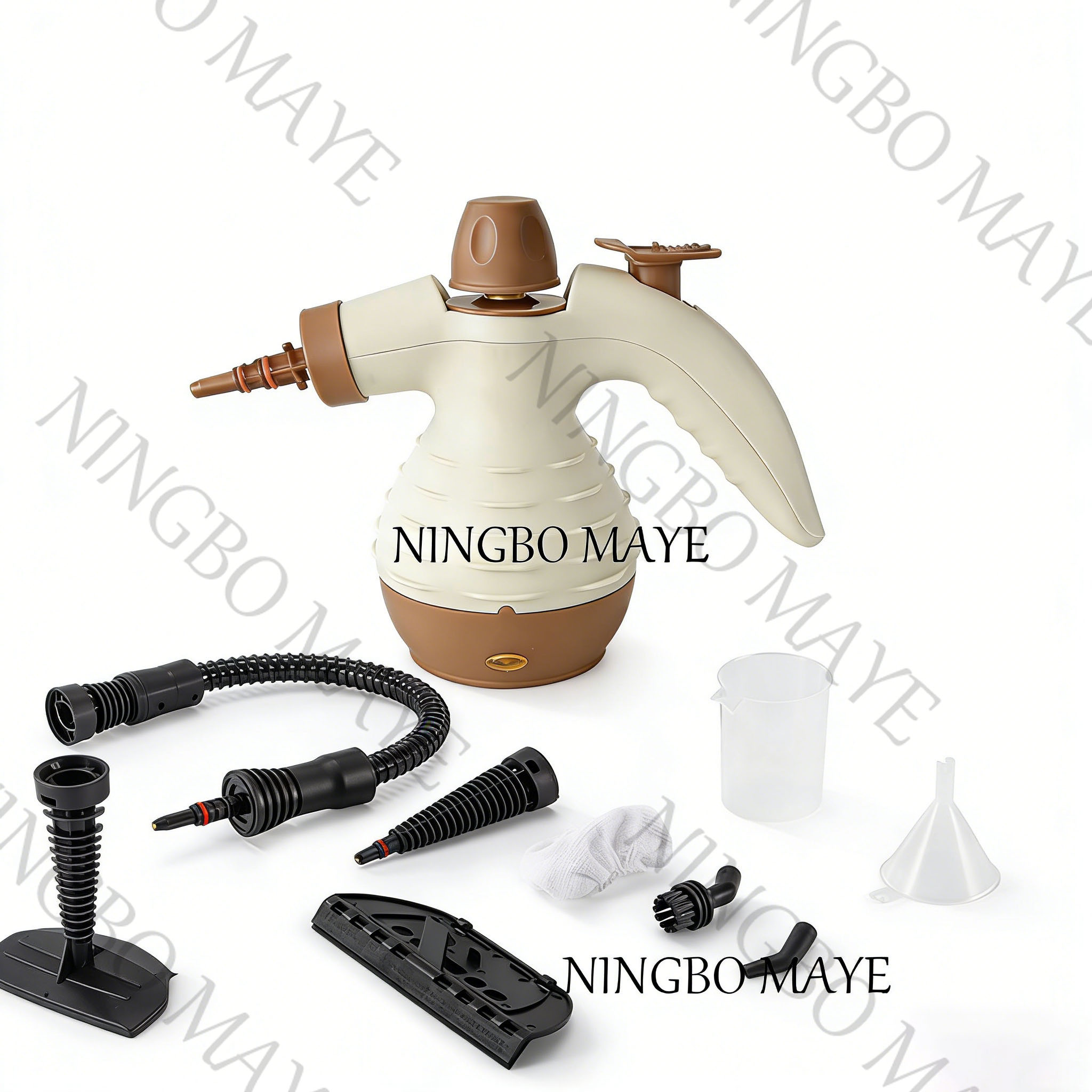
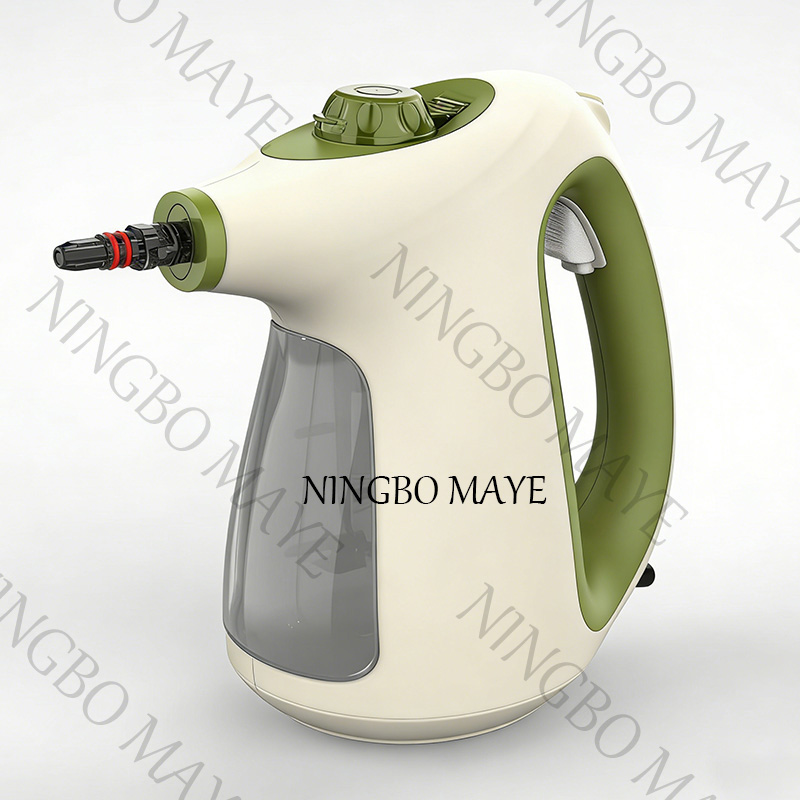
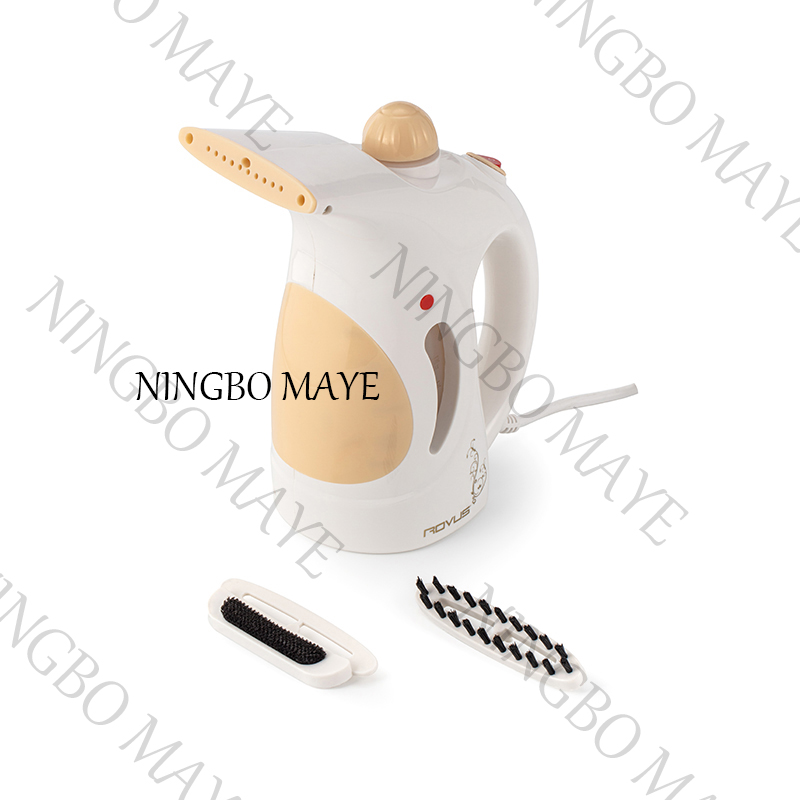
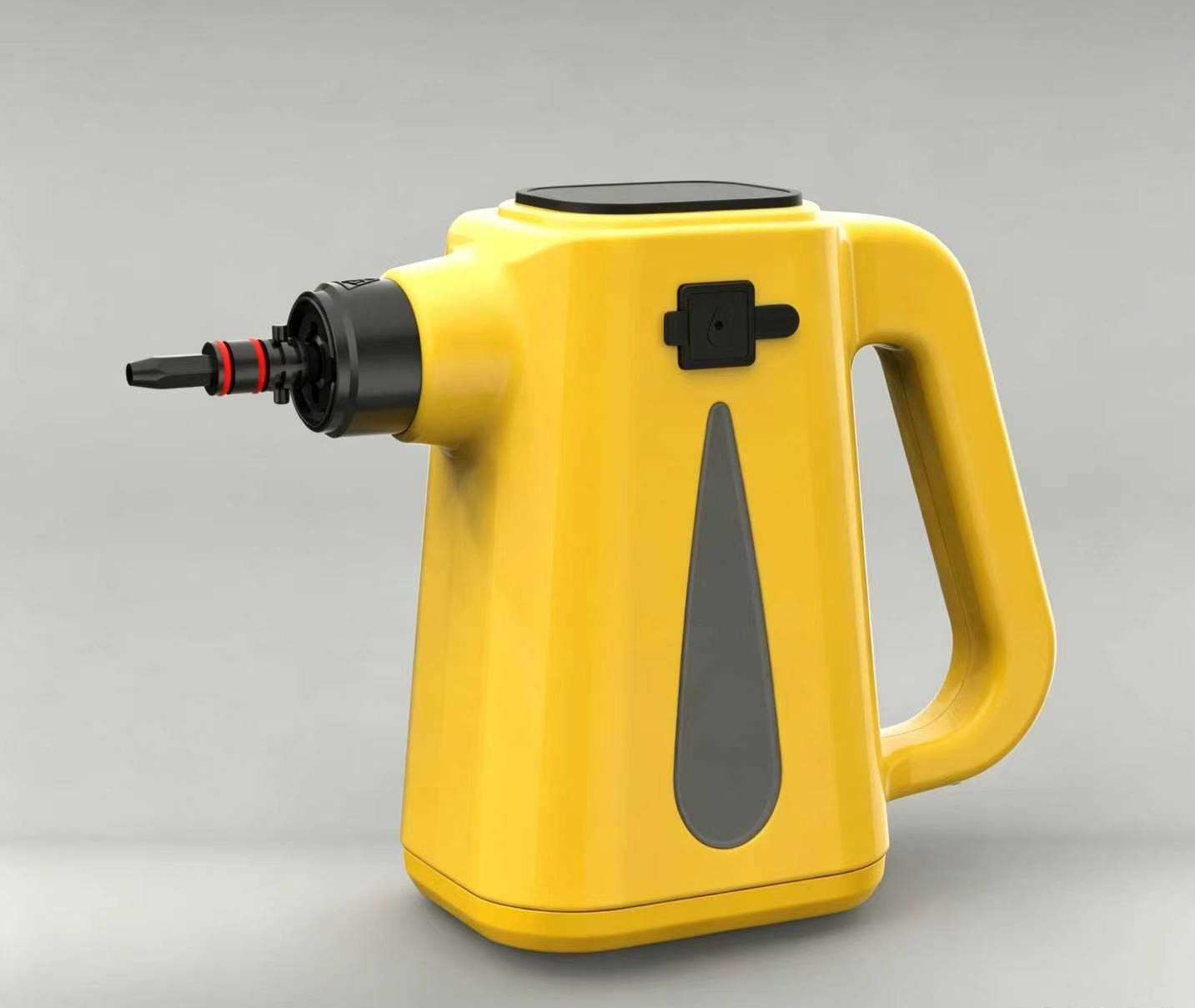
A quality steam cleaner comes with a range of accessories: nylon brushes, brass brushes, squeegee tools, angled nozzles, and floor mop heads. This versatility enables you to clean sealed tile, grout, oven interiors, stovetops, sinks, window tracks, shower doors, refrigerator seals, car interiors, and even children’s high chairs. Instead of storing bottles of specialized cleaners, you keep one compact device that tackles every room.
Steam doesn’t just clean the surface—it penetrates porous materials. Grout lines that have grayed over years of grime become bright again after a pass of steam and a light brush. Caked-on grease around stove burners dissolves on contact. Set‑in stains on upholstery or carpets lift naturally, without harsh extraction chemicals. The combination of heat and gentle pressure loosens debris that traditional wiping leaves behind.
The average household spends $150–$300 annually on cleaning sprays, disposable wipes, and paper towels. A steam cleaner requires only water and a fraction of the electricity (around 1200–1500 watts for a typical session). Over time, the savings are substantial. Additionally, a steam cleaner eliminates hundreds of single-use plastic bottles and non‑recyclable wipes, making it one of the simplest ways to reduce your home’s carbon footprint while achieving superior results.
Not all steam cleaners are alike. When selecting the right model for your home, consider the following specifications to ensure you get the power, capacity, and durability you need.
| Parameter | Typical Description & Recommendation |
|---|---|
| Power / Wattage | 800W – 1500W (higher wattage = faster heat‑up, more consistent steam). For heavy tasks, choose ≥1200W. |
| Steam Temperature | 200°F – 250°F (93°C – 121°C). Temperatures above 212°F ensure effective sanitization. |
| Steam Pressure | 2 – 5 bar (30 – 70 psi). More pressure improves deep‑cleaning ability; 3+ bar recommended for grout and ovens. |
| Tank Capacity | 150ml – 500ml. Larger tanks provide 15–25 minutes of continuous steam, suitable for whole‑house cleaning. |
| Heat‑Up Time | 15 – 120 seconds. Fast heat‑up models (<60 sec) improve convenience for quick touch‑ups. |
| Attachments Included | Jet nozzle, nylon/brass brushes, window squeegee, floor head, angled extension, fabric steamer. |
| Safety Features | Child lock, pressure relief valve, auto shut‑off, cool‑touch handle. |
Beyond these specs, look for sturdiness, a long power cord (at least 4–5 meters), and reputable brand support. For households with hard water, using distilled water prevents mineral deposits and prolongs the device’s life.
The kitchen is a steam cleaner’s paradise. Direct steam onto stovetop grates, oven interiors, microwave cavities, and range hoods—grease that resists scrubbing melts within seconds. Sanitize cutting boards (after meat prep) and faucet handles. Use the jet nozzle to blast food debris from toaster crumb trays or refrigerator seals. No chemical degreaser means no risk of contaminating food surfaces.
Bathrooms harbor mold, mildew, and soap residue. With a small brush attachment, steam lifts discoloration from tile grout, kills mold spores in caulking, and restores glass shower doors to crystal clarity. Clean toilet exteriors, sink drains, and even bathroom exhaust fan grilles. Because steam kills mold without bleach, there is no harsh odor, and surfaces stay cleaner longer.
Use the fabric steamer head to refresh sofas, armchairs, and throw pillows – steam reduces wrinkles, eliminates odors, and kills dust mites. Spot-clean carpet stains: apply steam, blot with a clean cloth, and repeat as needed. Mattresses and pillows accumulate sweat, skin cells, and dust mites; a slow steam pass sanitizes without wetting through. (Always test for colorfastness first.)
With the squeegee attachment, a steam cleaner leaves glass streak‑free, without any need for ammonia‑based sprays. The steam loosens fingerprints, soap residue, and hard‑water spots, while the rubber blade wipes away moisture for a perfect shine. Window tracks often collect dust and grime; a jet nozzle blasts debris from corners that a vacuum cannot reach.
Car interiors benefit enormously from steam: clean dashboards, cup holders, seat belts, and steering wheels without chemical residues. Remove stubborn bug residue from grilles or wheels. Refresh camping gear, pet carriers, and strollers—anywhere harsh cleaners would be problematic.
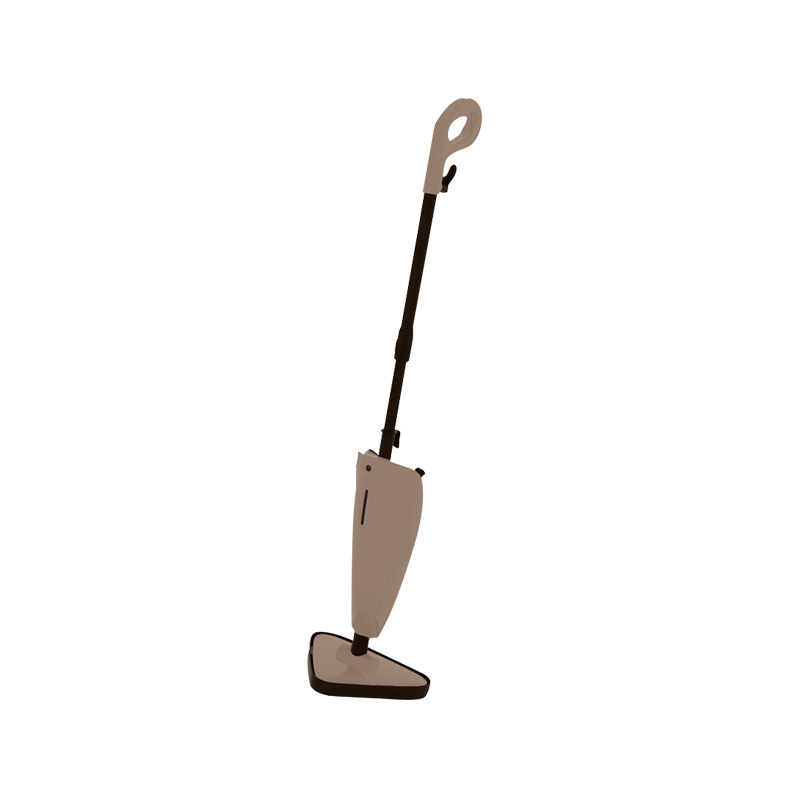
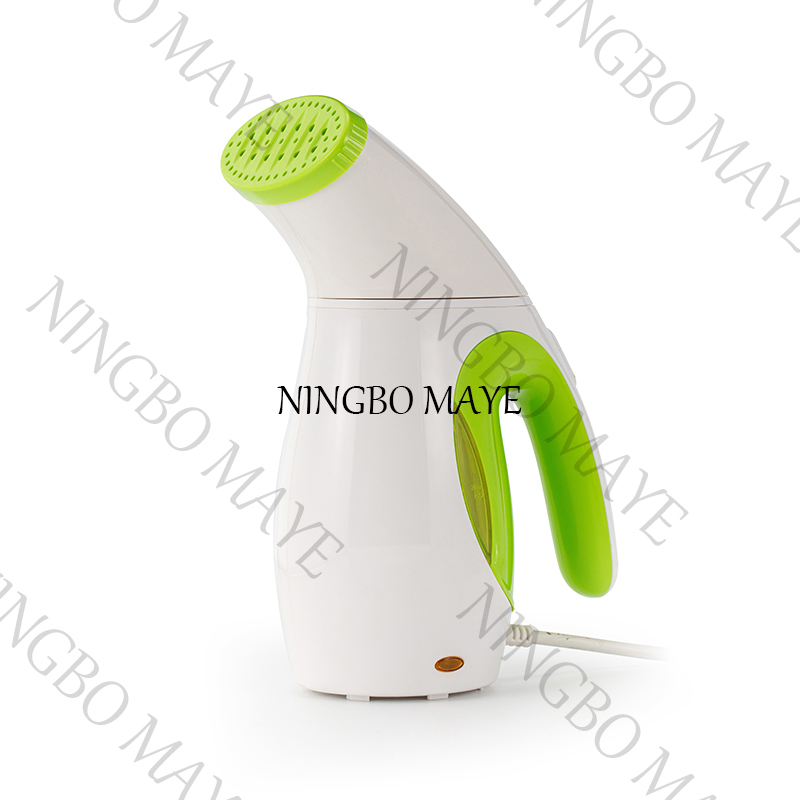
Handheld steamers are compact and perfect for kitchens, bathrooms, and car interiors – they excel at spot cleaning and tight spaces. Cylinder (canister) models offer larger water tanks and more attachments, ideal for whole‑home cleaning (floors, windows, upholstery). Steam mops focus on sealed hard floors but are less versatile for above‑floor tasks. For most families, a quality canister or hybrid unit delivers the best value.
If you plan to clean multiple rooms, look for a model with a removable water tank or continuous refill capability. A runtime of 15–25 minutes per fill is typical; larger tanks extend cleaning sessions without interruptions. Some premium units let you refill while the machine is still hot and pressurized.
Check included tools: at a minimum, a jet nozzle, round brush, nylon brush, squeegee, and floor adapter should be present. Additional accessories like extension hoses, angle adapters, and brass brushes add versatility for heavy‑duty cleaning. Third‑party accessory compatibility can also be a plus.
Choose brands with UL, ETL, or CE certification, confirming electrical and pressure safety. A pressure relief valve and child safety lock are essential for households with children. The casing should be heat‑resistant, and the water tank should have clear level markings. Read user reviews regarding long‑term durability, as steam cleaners with weak seals or low‑grade plastics can leak over time.
Thousands of homeowners report that after purchasing a steam cleaner, they rarely reach for chemical sprays again. Common testimonials include: “My tile grout looks brand new after one use,” “I no longer worry about my toddler touching floors cleaned with harsh detergents,” and “The amount of dirt that came out of my sofa was shocking.” Professional cleaning services have also adopted steam technology to reduce chemical costs and deliver faster, greener results. The ease of use—fill, heat, steam, wipe—replaces complex routines with one simple process.
To keep your steam cleaner performing optimally, follow these basic maintenance steps:
By investing just a few minutes in care, your steam cleaner can last 7–10 years or more, providing thousands of hours of chemical‑free cleaning power.
Can steam cleaners be used on all floor types? Steam mops and canister units are generally safe for sealed hard floors (ceramic, porcelain, marble, sealed hardwood, laminate). Avoid using steam on unsealed wood, waxed floors, or delicate materials that could warp.
Do steam cleaners kill viruses and bacteria? Yes. When the steam temperature at the nozzle exceeds 212°F, it rapidly denatures viral proteins and bacteria. For disinfection, hold the nozzle close to the surface for 3–5 seconds.
Are steam cleaners safe around pets? Absolutely. Since no chemicals are used, there is no risk of paw irritation or accidental ingestion. Always avoid directing steam directly at animals.
Will steam clean stubborn oven grease? Yes. Steam is one of the most effective ways to soften baked‑on food residues. After steaming, residues wipe away easily with a cloth, eliminating the need for caustic oven cleaners.
The household steam cleaner is no longer a niche gadget; it has become an essential cleaning companion for modern families. It transforms the most basic resource—tap water—into a sanitizing, degreasing, and deodorizing powerhouse. From streak‑free mirrors to steam‑refreshed mattresses, from spotless grout to allergen‑free upholstery, the versatility of steam is unmatched. As we move toward healthier, more sustainable homes, steam cleaning offers a proven path that eliminates chemical dependency, lowers plastic waste, and reduces recurring costs. Whether you are a busy parent, a pet owner, an allergy sufferer, or simply a fan of efficient cleaning, a quality steam cleaner will change the way you clean forever. Embrace the steam revolution and rediscover what it means to have a truly clean home—without compromise, without chemicals, and with nothing but the power of pure steam.
Related Products

Address
East Zone Development Zone Lingshan Town Yuyao City Zhejiang P.R.C.
Tel
+86-18905840666 / +86-574-62067822
+86-15905848828
QR CODE
 Wholesale Multifunctional Steam Cleaner Manufacturers

 English
 Español