2026-04-16
The evolution of domestic hygiene technology has shifted significantly toward methods that prioritize both structural efficiency and environmental safety. At the center of this movement is the Handheld Steam Cleaner, a compact yet powerful appliance designed to harness the thermal energy of pressurized water vapor. By heating water beyond its boiling point within a reinforced internal boiler, these devices create a dry steam flow capable of penetrating microscopic pores in various surfaces. This mechanical action does more than just remove visible debris; it disrupts the cellular structure of bacteria and allergens through thermal shock. The precision of a Handheld Steam Cleaner allows for targeted cleaning in areas that are traditionally inaccessible, making it an essential tool for maintaining high standards of cleanliness in kitchens, bathrooms, and even automotive interiors. Understanding the thermodynamics and structural components of these devices reveals why they have become the benchmark for chemical-free sanitization.
The core performance of any Handheld Steam Cleaner is determined by its heating element and boiler capacity. These components must work in perfect synchronization to ensure that the steam remains at a consistent temperature and pressure throughout the cleaning cycle. Unlike larger steam mops, the handheld variant requires a highly efficient flash-heating system or a pressurized boiler that fits within an ergonomic, one-handed form factor.
Boiler Technology and Vapor Pressure: Most professional-grade Handheld Steam Cleaner models utilize a high-quality aluminum or stainless steel boiler. These materials are chosen for their rapid thermal conductivity and resistance to mineral buildup from hard water. Once the water reaches the required temperature—typically between 105°C and 120°C—the internal pressure builds to approximately 3 to 4 bars. This "product word" standard ensures that when the safety trigger is engaged, the steam is ejected at a velocity high enough to blast away solidified grease and calcified mineral deposits. The integration of a "Safety Cap" mechanism is also critical; it prevents the reservoir from being opened while the internal pressure remains high, ensuring user safety during extended cleaning sessions.
Flash-Heat Systems and Startup Speed: For users who require immediate action, many modern Handheld Steam Cleaner units feature flash-heat technology. Instead of heating the entire tank at once, water is pumped through a heated spiral tube, generating steam in as little as 30 seconds. This allows for a continuous flow of vapor, provided the water reservoir is replenished. However, the engineering challenge lies in maintaining the "dryness" of the steam. High-quality handheld units ensure that the moisture content is kept below 5%, which prevents surfaces from becoming overly saturated and allows for rapid drying times, a feature particularly valued when cleaning upholstery or delicate fabrics.
Thermal Consistency and Energy Efficiency: The wattage of the heating element—usually ranging from 900W to 1200W—plays a vital role in recovery time. A high-wattage Handheld Steam Cleaner can reheat the water quickly after a long burst of steam, maintaining a steady output. To enhance efficiency, some models incorporate insulated thermal jackets around the boiler, reducing heat loss and extending the operating time per tank. This structural attention to detail ensures that the device can handle demanding tasks, such as cleaning window tracks or oven grates, without frequent pauses for reheating.
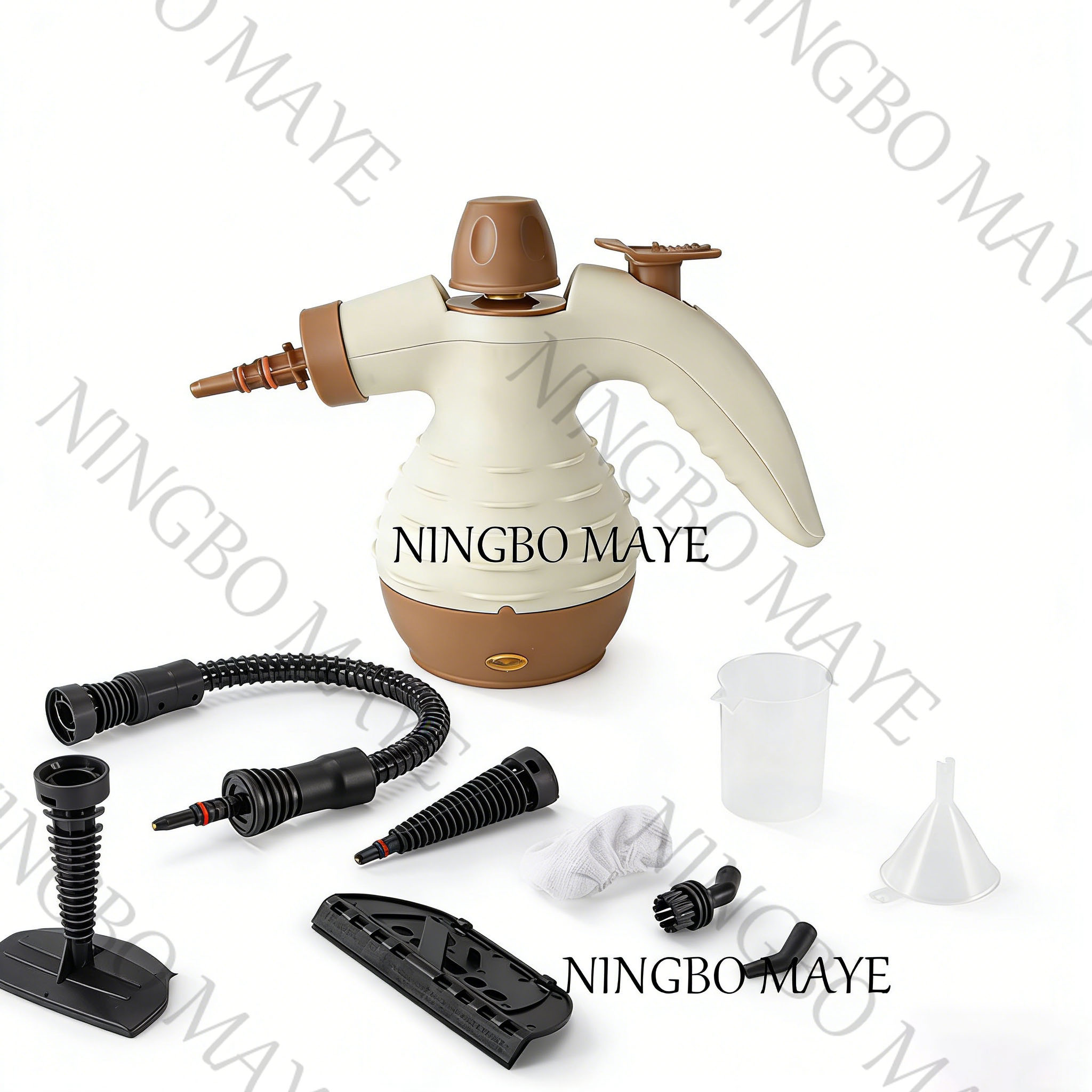
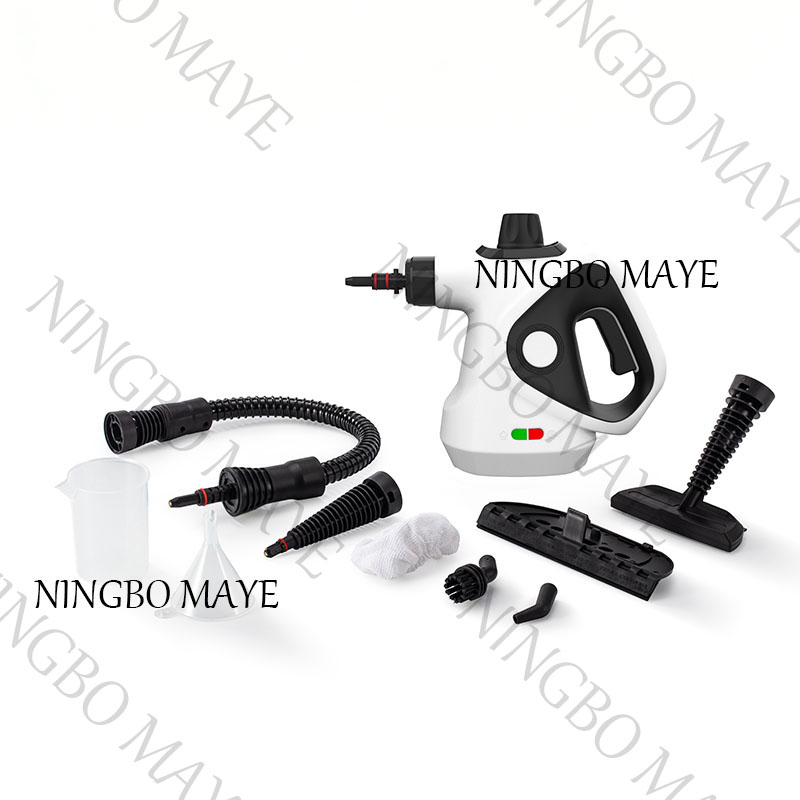
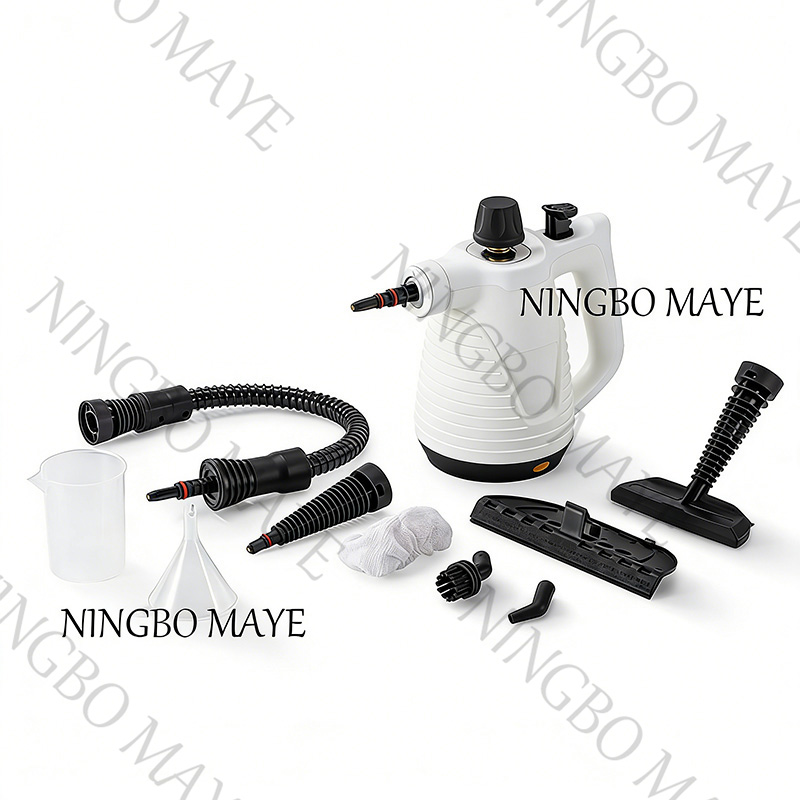
A Handheld Steam Cleaner is only as versatile as its accessory kit. The ability to transition from a focused jet nozzle to a wide-surface brush allows the device to tackle a spectrum of materials, from rigid ceramic tiles to soft synthetic fibers. Each attachment is engineered to manipulate the steam flow in a specific way to optimize the "chemical-free" cleaning process.
Precision Nozzles and Detail Brushes: The "Concentrator Nozzle" is the most frequently used accessory for a Handheld Steam Cleaner. By narrowing the exit point of the steam, it increases the kinetic energy of the vapor, making it ideal for clearing grout lines, sink overflows, and faucet bases. When paired with small nylon or brass detail brushes, the steam loosens the dirt while the bristles provide the mechanical agitation necessary to lift it. For instance, brass brushes are often used for heavy-duty metal surfaces like barbecue grills, while nylon brushes are the "product word" choice for sensitive tile grout and plastic fixtures.
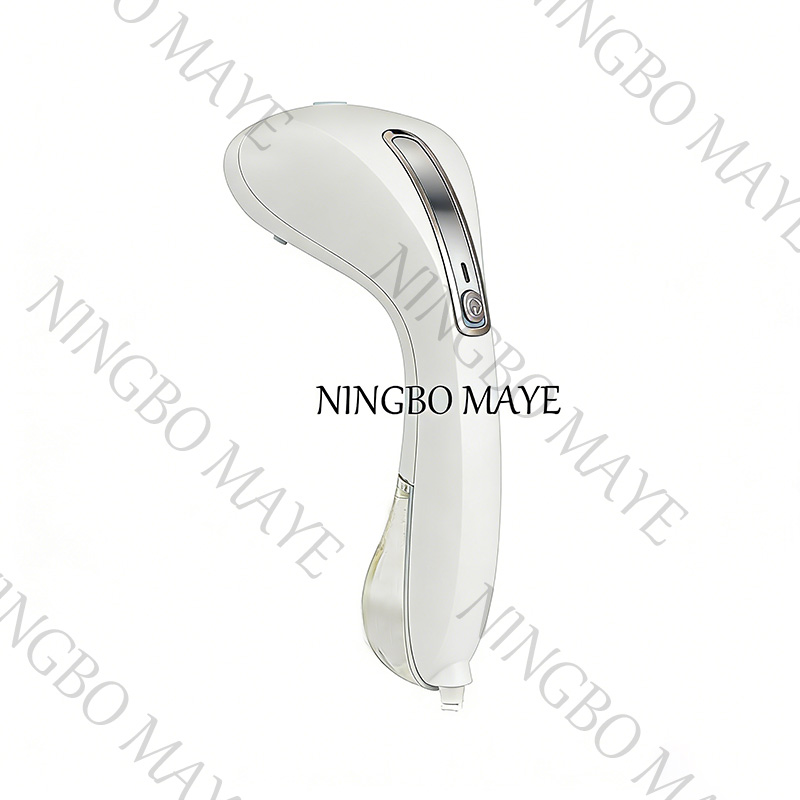
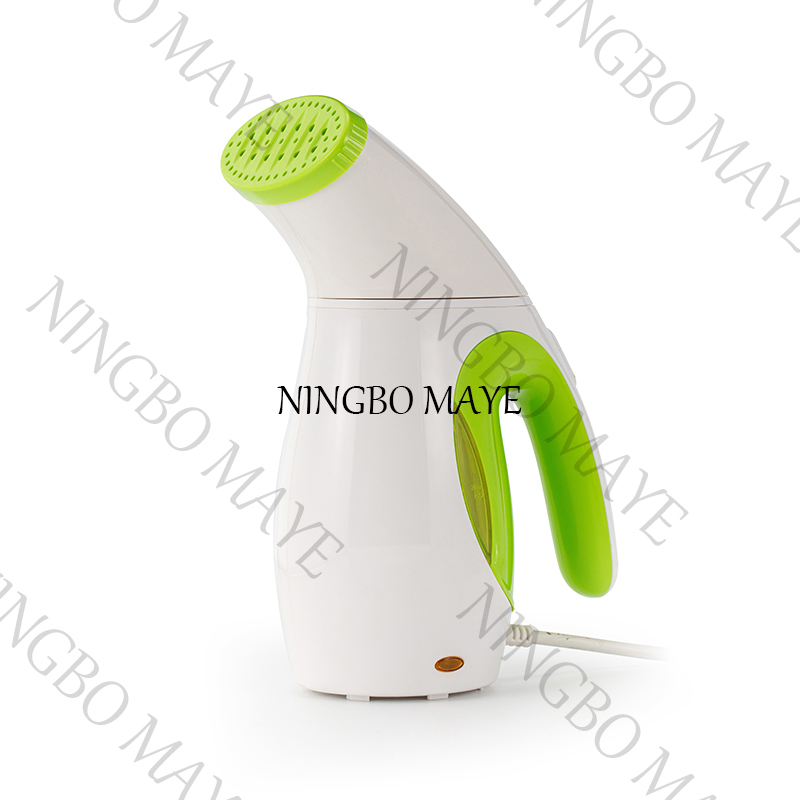
Upholstery Tools and Fabric Steamers: By attaching a wide "Squeegee" or a "Fabric Tool" covered with a microfiber cloth, a Handheld Steam Cleaner becomes a powerful garment and upholstery sanitizer. The cloth helps to trap the loosened dirt while the steam penetrates deep into the fibers to kill dust mites and neutralize odors. This application is particularly effective for refreshing curtains, sofas, and car seats without the use of harsh detergents that could leave residues or trigger allergies. The steam's natural ability to relax fibers also makes it an excellent alternative to traditional ironing for delicate clothing items.
Extension Hoses and Flexible Reach: To overcome the limitations of the handheld form factor, high-end kits include a "Flexible Extension Hose." This allows the user to hold the main Handheld Steam Cleaner unit in one hand while directing the steam precisely with the other. This is indispensable for reaching high corners, cleaning behind heavy appliances, or maneuvering inside a vehicle's engine bay. The hose must be reinforced to withstand high internal temperatures without softening, ensuring that the vapor pressure remains constant from the boiler to the tip of the nozzle.
|
Feature Comparison |
Standard Handheld Steam Cleaner |
High-Pressure Professional Model |
|---|---|---|
|
Boiler Material |
Reinforced Plastic / Aluminum |
High-Grade Stainless Steel |
|
Max Steam Temp |
100°C - 105°C |
115°C - 130°C |
|
Pressure Level |
2.0 - 2.5 Bar |
3.5 - 4.5 Bar |
|
Heat-up Time |
3 - 5 Minutes |
20 - 45 Seconds (Flash Heat) |
|
Accessory Count |
3 - 6 Standard Tools |
9 - 15 Specialized Attachments |
Operating a device that generates high-pressure thermal vapor requires a robust set of safety features and an ergonomic design that prevents user fatigue. Manufacturers of the Handheld Steam Cleaner have focused on these aspects to ensure that the tool is both accessible and safe for residential use.
Pressure Relief and Automatic Shut-off: Every certified Handheld Steam Cleaner must include a pressure relief valve. If the internal pressure exceeds a safe threshold due to a blockage in the nozzle or an electrical malfunction, the valve opens to release excess steam safely. Additionally, many units are equipped with a "Boil-Dry Protection" sensor. This system automatically cuts power to the heating element if the water level drops below a certain point, preventing the boiler from overheating and sustaining permanent damage. This layer of automation is what allows the device to be used repeatedly over many years without a decline in structural integrity.
Ergonomic Trigger Locks and Grip Design: Because a Handheld Steam Cleaner must be supported by the wrist and arm, the distribution of weight is paramount. Designers often place the boiler directly over the handle to create a balanced center of gravity. Furthermore, the steam trigger often includes a "Lock" function. This allows for continuous steam output without the need for constant finger pressure, reducing the risk of strain during large-scale cleaning projects. The handle itself is typically constructed with "cool-touch" polymers, ensuring that even when the internal boiler is at maximum temperature, the external surface remains comfortable to hold.
Water Quality Management and Maintenance: To ensure the longevity of the Handheld Steam Cleaner, the internal components must handle the minerals found in tap water. Some premium models include built-in "Anti-Calc" cartridges or specialized filters that soften the water before it enters the boiler. For models without filters, a "Descaling" port is often provided, allowing users to flush the system with vinegar or a descaling solution. This simple maintenance step prevents the calcification of the heating element, ensuring that the steam output remains powerful and the heating time stays consistent throughout the life of the product. By combining these safety and maintenance features, the modern handheld steamer offers a reliable, high-performance solution for a healthier living environment.
Related Products

Address
East Zone Development Zone Lingshan Town Yuyao City Zhejiang P.R.C.
Tel
+86-18905840666 / +86-574-62067822
+86-15905848828
QR CODE
 Wholesale Multifunctional Steam Cleaner Manufacturers

 English
 Español